

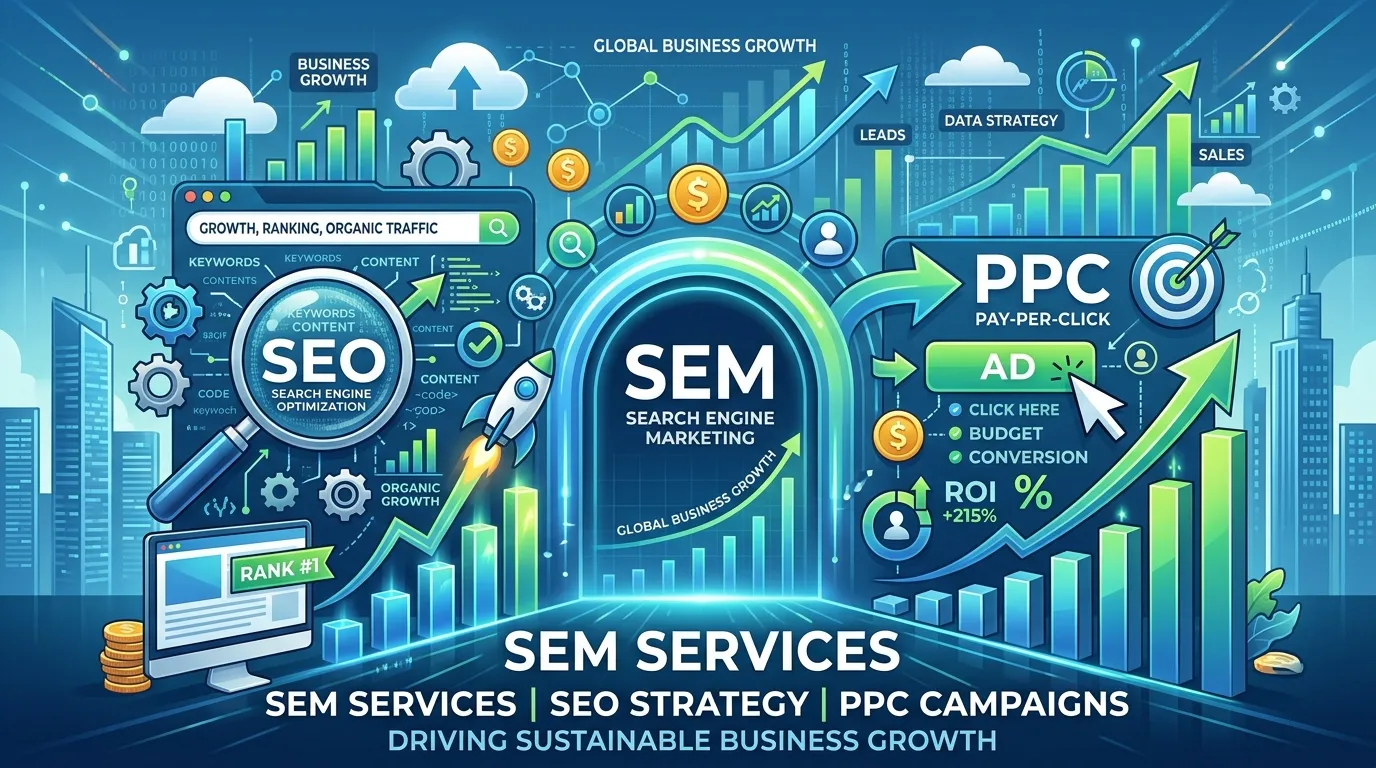
Search engine marketing (SEM) combines SEO and PPC to improve online visibility, drive targeted traffic, and boost conversions. It integrates data-driven strategies, keyword optimization, and paid ads for sustainable short-term and long-term business growth.
Search engine marketing is the absolute backbone of online visibility. When potential customers look for products, answers, or services, they turn immediately to search engines. If your brand does not appear near the top of those results, you are leaving money on the table. Effective sem services bridge the crucial gap between what users are searching for and what your company actually provides.
Search Engine Marketing (SEM) generally encompasses two main pillars: Search Engine Optimization (SEO) and Pay-Per-Click (PPC) advertising. SEO focuses entirely on earning organic traffic through high-quality content, authoritative backlinks, and meticulous website optimization. Conversely, PPC involves paying for ad placements at the top of search engine results pages. Together, these two distinct components create a comprehensive strategy that captures users at every single stage of their buying journey.
Building a strong digital presence requires much more than just launching a basic website. Competitors are actively bidding on your most valuable industry terms and optimizing their pages specifically to outrank you. Implementing professional sem services ensures that your brand remains visible, relevant, and highly authoritative. By understanding the intricacies of both organic and paid search, businesses can aggressively maximize their online reach and drive sustainable growth.
Deep Dive into Paid Search (PPC)
Paid search is the fastest way to get your website in front of eager buyers. It requires strategy, continuous monitoring, and strict budget control. When you invest in top-tier sem services, PPC management is often the most immediate driver of revenue.
How PPC Works
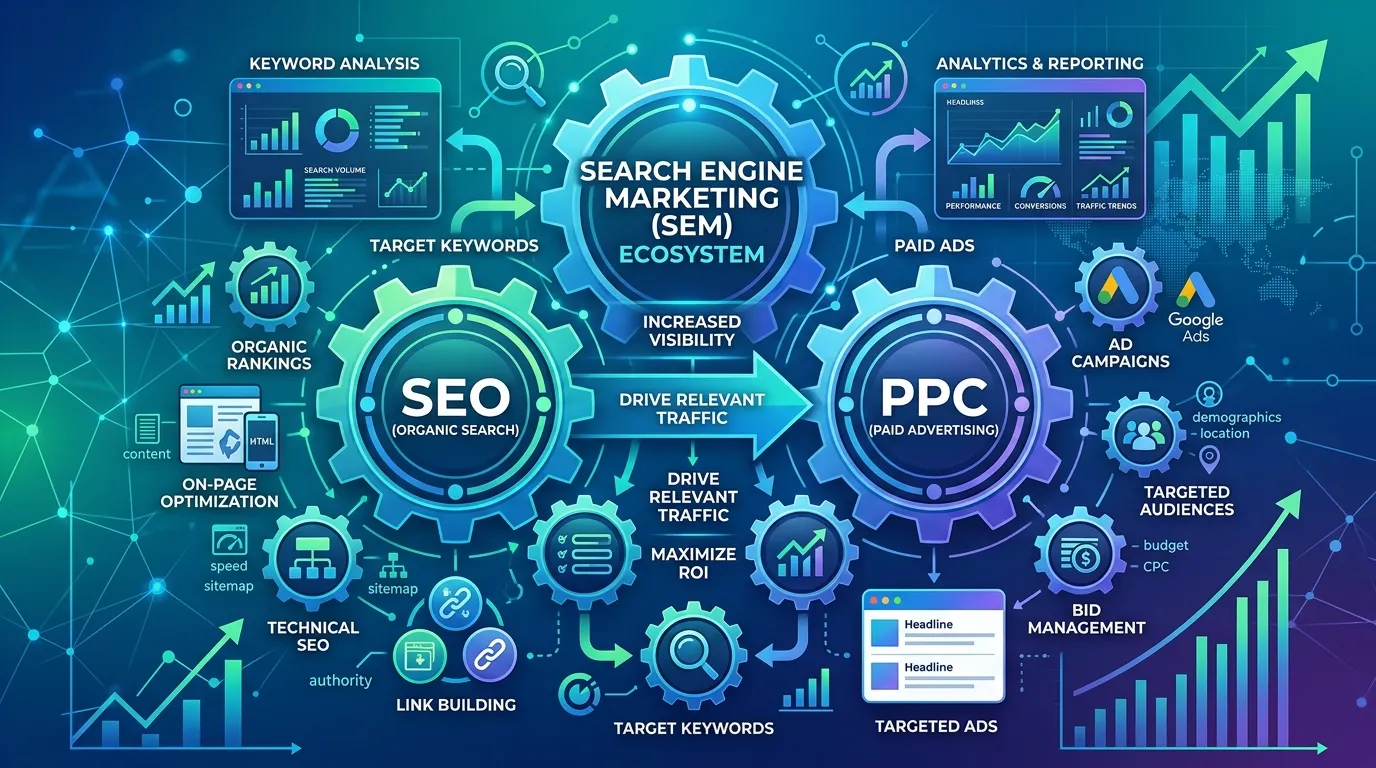
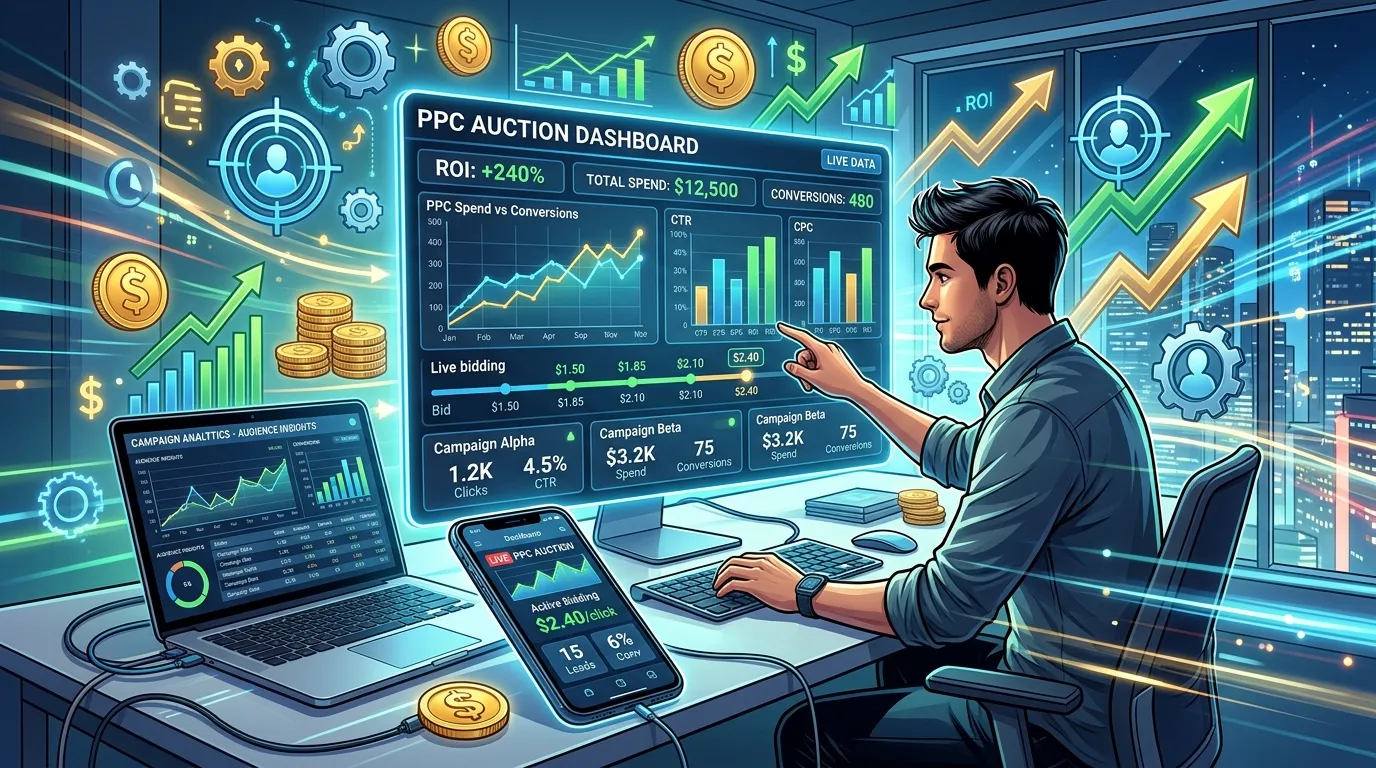
PPC operates on a bidding system combined with an ad auction. When a user searches for a specific term, search engines look at all the advertisers bidding on that keyword. The engine decides which ads to display based on the bid amount and the Quality Score of the ad. Quality Score evaluates the relevance of your ad copy, the keyword, and the landing page experience. High Quality Scores can actually lower your cost per click, making efficient sem services highly cost-effective.
For a great primer on paid search fundamentals: Read more about what is pay per click.
The Auction Process
It’s important to understand the nuances behind Google’s ad auction. Every time a user enters a query, an instantaneous auction takes place. Multiple advertisers may be bidding on the same keyword, but it’s not just about who pays the most. Google weighs both the bid and the Quality Score—meaning well-optimized campaigns with relevant ads and landing pages often win the top positions at a lower cost. This is why expert sem services are invaluable; they optimize campaigns not just for spend, but for performance and efficiency.
The Power of Ad Extensions
One of the secrets to boosting your PPC effectiveness is leveraging ad extensions. These additional snippets of information—such as site links, callouts, structured snippets, and phone numbers—not only make your ad larger and more compelling but can also improve click-through rates (CTR) while providing extra pathways for users to engage with your brand. When expertly managed within a comprehensive sem services package, these small improvements can lead to substantial increases in conversions.
Key Platforms
Google Ads dominates the paid search landscape, processing billions of searches every day. It offers immense reach and highly sophisticated targeting options. Bing Ads (Microsoft Advertising) is another vital platform. While it has a smaller market share, Bing often features lower competition and cheaper costs per click, making it a valuable addition to your paid search strategy and overall sem services portfolio.
The Rise of New Advertising Channels
As digital ecosystems evolve, new PPC platforms like Amazon Ads, Apple Search Ads, and even platforms like TikTok and Pinterest are adding pay-per-click components that can complement a holistic sem services approach. Each channel has its own audience and targeting tools, so integrating them with your primary PPC efforts can open up new markets and diversification opportunities.
Types of PPC Campaigns
To get the most out of your sem services, you need to diversify your campaign types:
- Search campaigns: Display text ads directly on search engine results pages based on exact user queries.
- Display campaigns: Show visual ads across a massive network of partner websites, helping build top-of-funnel brand awareness.
- Shopping campaigns: Feature product images, prices, and store names, which are incredibly effective for e-commerce businesses.
- Video campaigns: Place your ads before or during YouTube content, capturing user attention with dynamic visuals.
- App campaigns: Promote mobile apps across Google’s vast properties, targeting users likely to download and engage.
Smart Campaigns and Automation
Modern search engine marketing services increasingly rely on automation and machine learning. Google’s smart campaigns automatically optimize placements, bids, and targeting to maximize conversions for your budget. While automation reduces daily management workload, expert oversight is still crucial, as sem services specialists fine-tune campaigns and monitor for issues the algorithms may miss.
Ad Copy Best Practices
Writing compelling ad copy is essential for driving clicks. Include your target keywords directly in the headlines. Highlight unique selling propositions, such as free shipping or exclusive discounts. Always include a strong, clear call to action (CTA) that tells the user exactly what to do next, like “Buy Now” or “Get a Free Quote.”
Advanced Ad Copy Tips
Cut through the noise by continually A/B testing your ads. Compare alternative headlines, display paths, and CTAs to determine which generates the highest click-through and conversion rates. Keep messaging consistent with your landing pages for a seamless user experience—an approach foundational to expert Google Ads management services.
Budgeting and ROI
Proper budgeting ensures you do not overspend on campaigns that fail to convert. Set daily limits based on your overall marketing budget. Track your return on investment (ROI) by assigning a monetary value to specific actions, like form submissions or product purchases. Continually adjust bids and pause underperforming keywords to maximize your financial return with your chosen sem services.
Bid Management Strategies
To further optimize results, consider advanced bidding strategies like Target CPA (Cost Per Acquisition) or Target ROAS (Return on Ad Spend). These automated solutions use smart algorithms to dynamically adjust your bids with every single auction, seeking the most valuable outcomes for your campaign goals.
Understanding Search Engine Optimization (SEO)
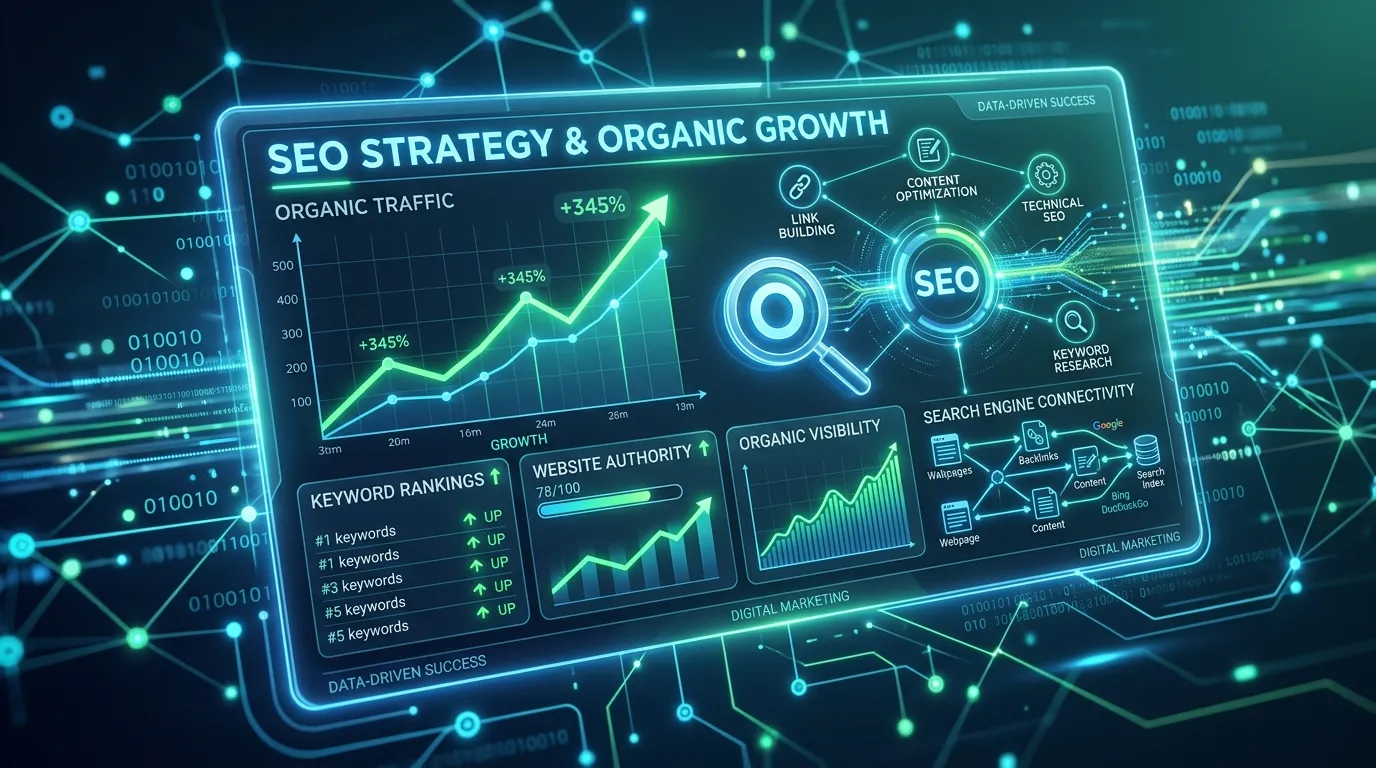
While PPC provides immediate visibility, SEO builds long-term authority. A robust organic presence is a core component of elite sem services. Without SEO, your search engine marketing services are incomplete.
On-Page SEO Techniques
On-page SEO involves optimizing individual web pages to rank higher. This starts with extensive keyword research to understand exactly what your audience is searching for. Naturally incorporate these keywords into your titles, headers, and body content. Write descriptive meta descriptions that encourage users to click your link from the search results.
User Experience (UX) and SEO
Google’s algorithms now put tremendous emphasis on user experience—page speed, mobile responsiveness, clear navigation, and accessible content. Elite sem services provide not only keyword optimization but also sitewide UX enhancements. These improvements decrease bounce rates and boost dwell time, both of which can improve rankings and conversion rates.
Off-Page SEO Strategies
Search engines view links from other websites as votes of confidence. Earning high-quality backlinks from reputable, authoritative sites signals that your content is trustworthy. Off-page strategies include guest blogging, digital PR, and creating highly shareable content. Social signals, such as shares and likes, can also indirectly influence your organic visibility by driving more traffic to your pages.
Earning and Applying Backlinks
Prioritize relevance and authority when building your backlink profile. Target industry publications, local directories, and major news outlets. Participating in digital PR campaigns and thought leadership allows you to become a go-to resource—driving both links and referral traffic.
Technical SEO Considerations
A beautiful website is useless if search engines cannot crawl it. Technical SEO focuses on backend elements, which are a massive focus for any provider offering comprehensive sem services. Improve your site speed, as slow-loading pages frustrate users and hurt rankings. Ensure your website is completely mobile-friendly, given that the majority of web traffic now comes from smartphones. Implement schema markup to help search engines understand your content and display rich snippets in the search results.
Advanced Technical SEO
Address issues such as duplicate content, crawl budget optimization, proper canonicalization, and regular XML sitemap submissions. Implementing advanced structured data can give product pages eligibility for enhanced listings in search results, which boosts CTR and directly increases revenue.
The Importance of Local SEO
For businesses with physical locations, local SEO is absolutely non-negotiable. Optimize your Google Business Profile with accurate hours, photos, and a precise address. Encourage satisfied customers to leave positive reviews. Ensure your Name, Address, and Phone number (NAP) are completely consistent across all online directories.
Local Citations and Map Pack
Building local citations across business directories, maintaining up-to-date information, and earning local press can dramatically improve your visibility in the coveted “Map Pack” at the top of many local search results.
Measuring SEO Performance
Unlike PPC, SEO takes time to show results. Monitor your organic traffic growth using tools like Google Search Console. Track how your target keywords move up or down in the search rankings. Pay close attention to organic conversion rates to ensure the traffic you attract is actually valuable to your business.
Core Web Vitals and Analytics
Stay up-to-date with Google’s Core Web Vitals—metrics that measure how quickly your pages load, their interactivity, and how visually stable they are as they load. Use platforms like Google Analytics 4 and Google Search Console to set benchmarks, track improvements, and demonstrate ROI from your ongoing search engine marketing services.
The Synergy of SEM: Integrating SEO and PPC
Treating SEO and PPC as entirely separate entities is a massive mistake. The best sem services integrate both to dominate the search results completely.
Complementary Strategies
Running PPC ads while waiting for your SEO efforts to gain traction ensures you maintain a steady flow of traffic. Once you rank organically for a specific keyword, you can reduce your PPC bids for that term and allocate the budget elsewhere. Alternatively, dominating both the paid and organic results for high-value keywords maximizes your overall share of voice.
Leveraging Data Between Channels
Effective sem services rely on shared data to drive growth. Here is a breakdown of how channels support each other:
|
Strategy |
PPC Contribution |
SEO Contribution |
Combined SEM Impact |
|---|---|---|---|
|
Keyword Research |
Identifies high-converting terms fast. |
Finds long-tail, low-cost opportunities. |
Focuses budget on proven winners. |
|
Traffic Generation |
Delivers immediate, targeted visitors. |
Builds steady, long-term organic traffic. |
Captures users at all funnel stages. |
|
Brand Authority |
Places brand at the very top of results. |
Builds trust through organic rankings. |
Dominates the entire search results page. |
Holistic Strategy Development
Align your messaging across both paid and organic channels. Ensure that users receive a consistent brand experience whether they click a sponsored ad or an organic link. A holistic strategy maps specific keywords to specific stages of the user journey, using PPC to capture immediate buyers and SEO to educate early-stage researchers.
Retargeting Search Visitors
Combine your Google Ads management services with retargeting campaigns. If a user visits your site from a PPC ad but does not convert, serve them display ads across the web to bring them back when they’re ready to buy.
Advanced SEM Strategies
Staying competitive requires moving beyond the basics. Advanced tactics help extract every possible ounce of value from your marketing budget, which is why expert sem services are so highly valued.
Remarketing and Retargeting
Most visitors will not convert on their first visit to your website. Remarketing campaigns display targeted ads to users who previously interacted with your site as they browse other areas of the internet. This keeps your brand front and center, significantly increasing the chances they will return to complete a purchase.
Voice Search Optimization
As smart speakers and mobile assistants become ubiquitous, voice search is fundamentally altering how people look for information. Voice queries are typically longer and more conversational. Optimize for voice by answering specific questions clearly on your website and targeting natural language phrases.
Featured Snippets and Position Zero
Design content to answer voice queries directly and win coveted featured snippet positions. This approach captures both voice searches and “position zero” results, putting your solution front and center for relevant queries.
AI and Machine Learning
Artificial intelligence is completely reshaping sem services. Automated bidding strategies in Google Ads use machine learning to adjust bids in real-time based on the likelihood of a conversion. AI writing assistants can help generate ideas for ad copy, while predictive analytics can forecast future search trends. AI also optimizes ad spend, segments audiences, and uncovers new opportunities by processing massive datasets inaccessible to humans alone.
International SEM Considerations
Expanding globally requires careful planning. Directly translating keywords rarely works, as search habits vary wildly between cultures. Conduct native keyword research for each specific target market. Ensure your website utilizes hreflang tags to serve the correct language version to the appropriate regional audience.
Multilingual Content Strategy
Creating unique, localized content and building country-specific link profiles enhance performance in target regions. Geo-targeting in Google Ads also lets you test the waters before making large investments in international expansion.
Choosing the Right SEM Partner or In-House Team
Executing a comprehensive strategy requires immense time and specialized skills. Businesses must decide how to manage this workload when investing in sem services.
Agency vs. In-House
Building an in-house team gives you complete control and ensures your marketers understand your brand intimately. However, hiring experienced professionals is expensive. Partnering with a paid search advertising agency provides immediate access to a team of experts with diverse skill sets and extensive experience across multiple industries. Agencies also spread the cost of expensive enterprise-level software tools across many clients.
Evaluating Providers
Look for a provider with clear case studies, transparent pricing, and long-term clients in your industry. Ask for a detailed onboarding plan, reporting dashboard samples, and direct answers on how they approach both ppc campaign optimization and holistic SEM growth.
Essential Management Tools
Whether in-house or outsourced, proper tools are necessary for delivering top sem services. Ahrefs and Semrush are industry standards for SEO research and competitor analysis. Optmyzr or similar software can help automate routine PPC tasks. Ensure whoever manages your account has deep, technical expertise with these specific platforms.
Additional Toolsets
Consider adding call tracking, heat mapping, and conversion rate optimization (CRO) tools to build a complete understanding of the user journey—from first search to final conversion.
Measuring Success: KPIs and Reporting
You cannot improve what you do not measure. Clear reporting highlights the precise value of your sem services.
Key Performance Indicators
Click-Through Rate (CTR) indicates how compelling your ads or meta descriptions are to searchers. Cost Per Acquisition (CPA) tells you exactly how much you spend to acquire a single customer. Return on Ad Spend (ROAS) directly measures the revenue generated for every dollar spent on advertising. Conversion rate tracks the percentage of visitors who complete a desired action.
Attribution Modeling
Advanced attribution tools help credit conversions appropriately across multiple touchpoints, giving credit not just to the last click, but to all marketing interactions leading to a sale. This holistic view helps you optimize campaigns for the greatest overall impact, not just the channel that closes the sale.
Creating Custom Dashboards
Designing custom dashboards in Looker Studio, Tableau, or Google Data Studio transforms raw data into actionable insights, making the ROI of your search engine marketing services clear for both executives and marketing teams.
Future Trends in SEM
The digital marketing landscape is notoriously volatile. Preparing for upcoming changes ensures your business does not get left behind when leveraging sem services.
Evolving Algorithms
Search engines update their algorithms thousands of times per year. These updates consistently prioritize helpful, user-centric content over aggressively optimized spam. Staying compliant with these changes requires a relentless focus on providing genuine value to the user rather than chasing short-term technical loopholes.
Automation and the Next Wave
The trend toward increased automation in both PPC and SEO will only accelerate. Future platforms may manage budgets, creative, and data analysis with minimal human input—but expert oversight to ensure brand safety, regulatory compliance, and creative strategic vision will always be in demand.
Navigating Zero-Click Search
With more answers appearing directly in search results and on voice assistants, optimizing for brand recognition and “in-SERP” engagement is more essential than ever. This means continuing to adapt content and ad strategies to secure visibility, even when the click doesn’t occur.
Frequently Asked Questions
What exactly are sem services?
SEM services encompass all strategies used to increase a website’s visibility on search engine results pages. This includes managing both paid advertising campaigns (PPC) and organic search engine optimization (SEO) efforts.
How quickly will I see results from sem services?
Paid search campaigns can generate traffic and leads almost immediately after launching. Conversely, organic SEO is a long-term strategy that usually takes three to six months to show significant ranking improvements.
Do I need both SEO and PPC?
Yes, utilizing both maximizes your overall digital footprint and search share. PPC provides immediate revenue while SEO builds a sustainable, long-term foundation for continuous organic growth.
How much do sem services typically cost?
Costs vary wildly depending on your industry, competition, and whether you hire an agency. You must factor in both the agency management fee and the actual ad spend paid directly to search engines.
What is a Good Return on Ad Spend (ROAS)?
A good ROAS depends entirely on your profit margins and operational costs. Generally, a 4:1 ratio is considered strong, meaning you earn four dollars for every one dollar spent on advertising.
How does zero-click search impact my strategy?
Search engines now answer many queries directly on the results page, meaning users don’t click through to websites. You can adapt by learning about zero click strategies. This approach helps you maintain brand visibility even without direct website visits.
Can small businesses compete with large corporations in SEM?
Absolutely, small businesses can thrive by targeting highly specific, long-tail keywords. Focusing heavily on local SEO and highly targeted PPC campaigns allows smaller budgets to yield incredible returns.
Why do my PPC costs keep increasing?
PPC costs rise when more competitors enter the ad auction and bid on the same keywords. You can combat this by improving your Quality Score, which lowers your cost per click.
How do I know if my current sem services are working?
You should track clear metrics like Cost Per Acquisition (CPA) and organic traffic growth. If your revenue from search marketing consistently exceeds your investment, your services are performing well.
What is the biggest mistake companies make with sem services?
The biggest mistake is setting campaigns to run on autopilot without continuous optimization. Successful search engine marketing requires daily monitoring, testing, and adapting to new market data.



Leave a Reply