

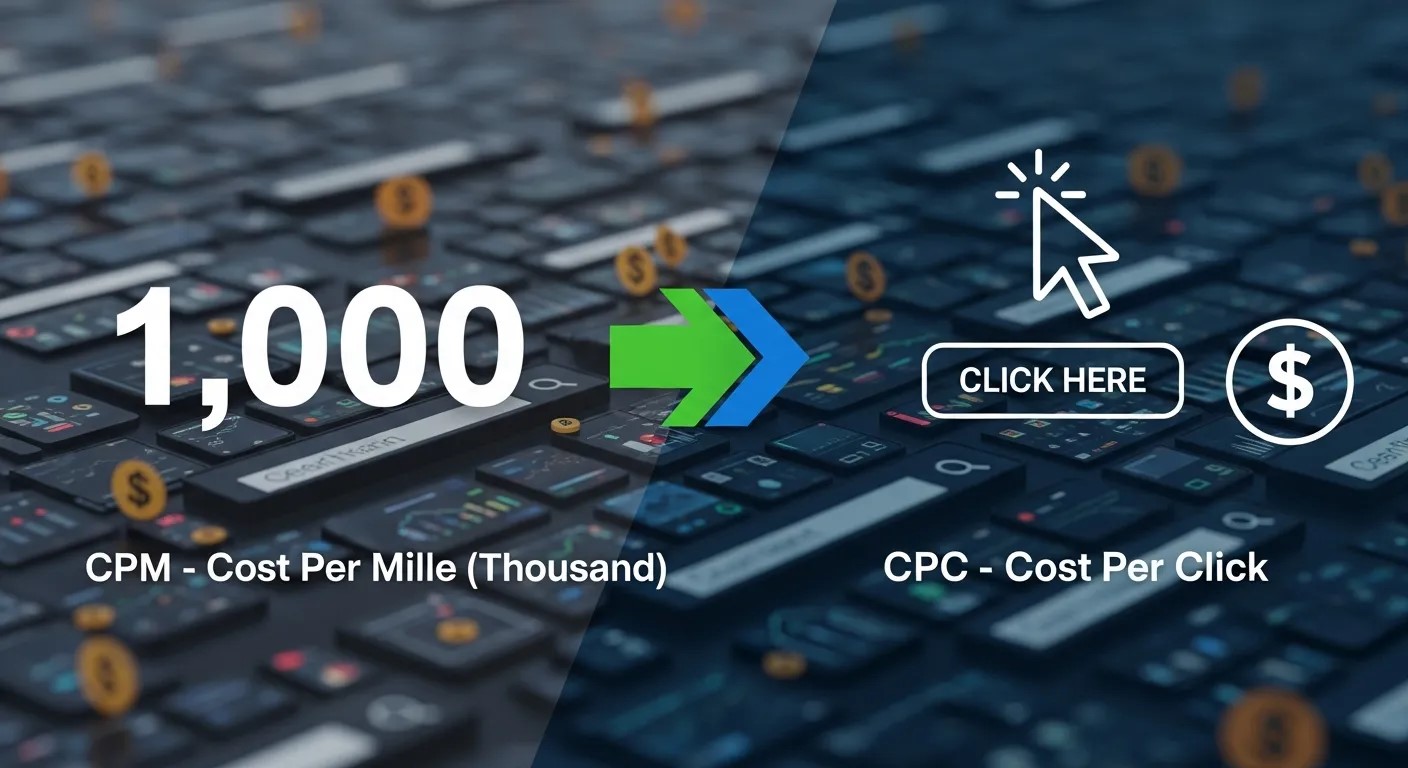
CPM and CPC in SEM are two distinct pricing models. CPM drives brand visibility through impressions, while CPC focuses on clicks and conversions. Understanding their differences helps businesses optimize budgets, boost ROI, and implement effective multi-channel marketing strategies.
Understanding the Key Differences Between CPM and CPC in SEM
In the world of digital advertising, understanding how campaigns are charged is crucial for success. CPM and CPC in SEM are two fundamental pricing models that every advertiser should know. Each model offers a different approach to reaching your audience, and knowing the difference can greatly influence campaign performance and ROI. Whether you are investing in SEM with Social Media Ads or optimizing Paid Search Marketing campaigns, choosing the right model is essential.
CPM and CPC in SEM are not interchangeable they serve distinct purposes. CPM focuses on impressions and visibility, while CPC emphasizes clicks and engagement. A deep understanding of these models allows marketers and businesses to allocate budgets effectively and maximize the impact of their advertising strategies.
What is CPM in SEM?
CPM, or Cost Per Mille, refers to the amount an advertiser pays for 1,000 ad impressions. In simpler terms, CPM campaigns are charged based on how often your ad is shown, not on whether users click it. This model is ideal for brand awareness campaigns, helping businesses increase visibility among a broad audience.
When using CPM and CPC in SEM, the CPM model ensures that your brand gets exposure to a wide audience. For example, a new product launch can benefit from a CPM strategy to make potential customers aware of the offering. By pairing CPM with SEM with Social Media Ads, marketers can reach audiences across multiple platforms like Facebook, Instagram, and LinkedIn, increasing overall engagement and visibility.
The strength of CPM campaigns lies in their ability to deliver predictable reach. You know exactly how many impressions your ad will receive, which allows for efficient budget planning. However, because CPM is based on impressions and not clicks, advertisers must ensure that the ad creative and targeting are compelling to maximize impact.
What is CPC in SEM?
CPC, or Cost Per Click, is a model where advertisers pay only when a user clicks on their ad. Unlike CPM, CPC focuses on direct interaction and measurable engagement, making it an excellent choice for campaigns aiming at conversions.
When executing CPM and CPC in SEM, CPC campaigns are especially useful for businesses looking to drive traffic to websites or landing pages. For instance, a company running Paid Search Marketing campaigns may bid on keywords relevant to their products or services. Each click represents a potential lead or sale, allowing advertisers to monitor ROI more precisely.
CPC campaigns require careful management. Factors like ad relevance, keyword selection, and bid strategies significantly influence performance. Collaborating with a Search Engine Marketing Consultant can help optimize campaigns, ensuring that ads appear in front of the right audience while minimizing costs.
One of the advantages of CPC campaigns is that they are cost-efficient for high-intent traffic. You only pay when someone engages, which often leads to better conversion rates compared to CPM campaigns.
Key Differences Between CPM and CPC
Understanding the differences between CPM and CPC is essential for creating effective SEM strategies. Here are the main distinctions:
| Feature | CPM | CPC |
|---|---|---|
| Cost Basis | Per 1,000 impressions | Per click on the ad |
| Objective | Brand awareness | Engagement and conversions |
| Billing | Fixed for impressions | Based on actual clicks |
| Ideal Use | Broad audience campaigns | Targeted traffic campaigns |
| Measurement | Impressions, reach | Click-through rate, conversions |
| Platforms | Display ads, social media ads | Paid search, retargeting campaigns |
By analyzing the campaign objective, marketers can decide whether CPM and CPC in SEM should be used individually or in combination. Many successful campaigns use CPM for awareness at the top of the funnel and CPC for conversion-focused efforts at the bottom.
Additionally, Invented Search Engine Marketing methods have evolved to blend these approaches. Combining CPM and CPC in a single strategy allows businesses to balance visibility with engagement, ensuring the campaign covers both awareness and direct response objectives.
Factors Influencing CPM and CPC Rates
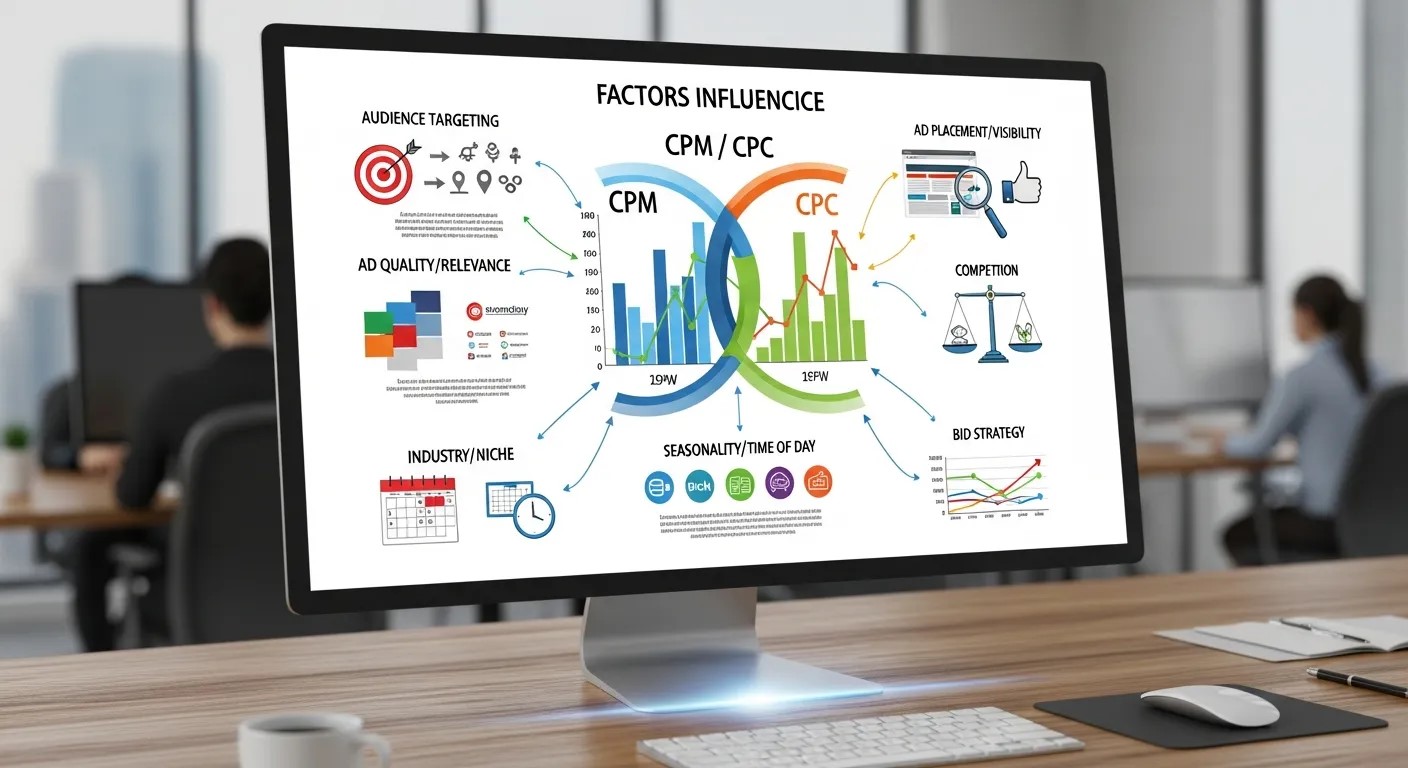
Several variables impact the cost and effectiveness of CPM and CPC in SEM:
-
Industry Competition: Highly competitive industries like finance or travel often see higher CPC bids due to keyword demand.
-
Audience Targeting: Specific or niche audiences can increase CPM costs but result in more qualified impressions.
-
Ad Quality: Higher-quality, relevant ads can reduce CPC costs and increase engagement in CPM campaigns.
-
Platform Choice: Premium placements on search engines or social media may demand higher rates.
Careful monitoring and optimization are critical for both CPM and CPC campaigns. Working with professionals in Paid Search Marketing or leveraging insights from a Search Engine Marketing Consultant ensures campaigns remain cost-effective while maximizing results.
How to Choose Between CPM and CPC in SEM
Selecting the right model CPM and CPC in SEM depends heavily on your campaign goals. Businesses often struggle to decide whether to invest in impressions or clicks, but understanding the objectives of each model clarifies the choice.
If your goal is to increase brand awareness, CPM campaigns are generally more effective. CPM ensures that your ads are displayed to a large audience, building visibility over time. On the other hand, if your objective is driving conversions or website traffic, CPC campaigns are the better option, as you pay only when users engage with your ad.
Many advanced marketers combine both approaches for a full-funnel SEM strategy. At the top of the funnel, CPM campaigns create awareness. At the bottom, CPC campaigns target users who are more likely to convert. This layered strategy demonstrates how CPM and CPC in SEM can complement each other, rather than being mutually exclusive.
Examples of CPM and CPC in Action
To illustrate, let’s look at some real-world examples of CPM and CPC in SEM strategies:
-
E-commerce Product Launch: A brand launching a new product may use CPM campaigns across social media and display networks to create awareness. Once the audience is familiar with the product, CPC campaigns target users searching for specific product-related terms, increasing the likelihood of conversions.
-
Local Service Business: A local service provider might run a CPM campaign to reach nearby customers, paired with CPC campaigns targeting people actively searching for their services. This combination ensures both visibility and engagement, maximizing ROI.
-
Event Promotion: Event organizers can use CPM campaigns to display banners across relevant websites and social media platforms, while CPC campaigns drive ticket purchases by targeting users actively searching for the event.
By strategically blending CPM and CPC campaigns, marketers can achieve both broad reach and high-intent engagement, making CPM and CPC in SEM a versatile solution for many business types.
Optimizing CPM Campaigns
Running a successful CPM campaign requires more than just paying for impressions. Here are some strategies to enhance the effectiveness of CPM campaigns within CPM and CPC in SEM frameworks:
-
Targeting the Right Audience: Use demographic, geographic, and behavioral targeting to ensure impressions reach users likely to engage with your brand.
-
Creative Optimization: High-quality visuals and messaging can increase ad recall and engagement, maximizing the value of each impression.
-
Frequency Management: Avoid overexposing users to the same ad, which can lead to ad fatigue and reduced campaign effectiveness.
When combined with insights from SEM with Social Media Ads, these strategies help CPM campaigns not only increase visibility but also build a foundation for subsequent CPC-driven conversions.
Optimizing CPC Campaigns
CPC campaigns are inherently results-driven, but optimization is critical to achieve cost efficiency. Key tactics include:
-
Keyword Selection: Focus on high-intent, relevant keywords to attract users likely to convert.
-
Bid Strategy Management: Adjust bids based on performance metrics such as click-through rates (CTR) and conversion rates.
-
Ad Copy Testing: Continuously test headlines, descriptions, and calls-to-action to improve engagement.
-
Landing Page Optimization: Ensure that the page users reach after clicking is relevant and conversion-friendly.
For businesses working with a Search Engine Marketing Consultant, these strategies are often tailored to their niche, allowing CPC campaigns to deliver maximum ROI within CPM and CPC in SEM campaigns.
Multi-Channel SEM Integration
Modern digital marketing rarely relies on a single channel. Integrating CPM and CPC in SEM campaigns across multiple channels can increase both reach and conversions. Some best practices include:
-
Combining Display and Paid Search: Use CPM campaigns on display networks to build awareness and CPC campaigns on search engines to capture intent-driven traffic.
-
Leveraging Social Media: Platforms like Facebook, Instagram, and LinkedIn allow businesses to combine paid impressions with engagement metrics, supporting both CPM and CPC objectives.
-
Retargeting Strategies: Show CPM ads to users who have previously interacted with your brand, then use CPC campaigns to encourage conversions.
By integrating multiple channels, businesses can create cohesive campaigns that address all stages of the customer journey, maximizing the effectiveness of CPM and CPC in SEM.
Advanced Tips for Managing CPM and CPC Campaigns
-
Monitor Campaign Performance: Track key metrics like CTR, impressions, conversion rate, and ROI to adjust campaigns dynamically.
-
Adjust Budgets Strategically: Allocate more budget to high-performing campaigns, whether CPM or CPC, while pausing underperforming ones.
-
Test New Platforms: Explore emerging ad networks to diversify reach and discover cost-efficient opportunities.
-
Leverage Data Analytics: Use predictive analytics and AI tools to forecast trends, optimize bids, and personalize ad delivery.
Businesses that combine these advanced strategies can ensure that CPM and CPC in SEM campaigns remain efficient, relevant, and impactful across all channels.
Measuring Performance in CPM and CPC Campaigns
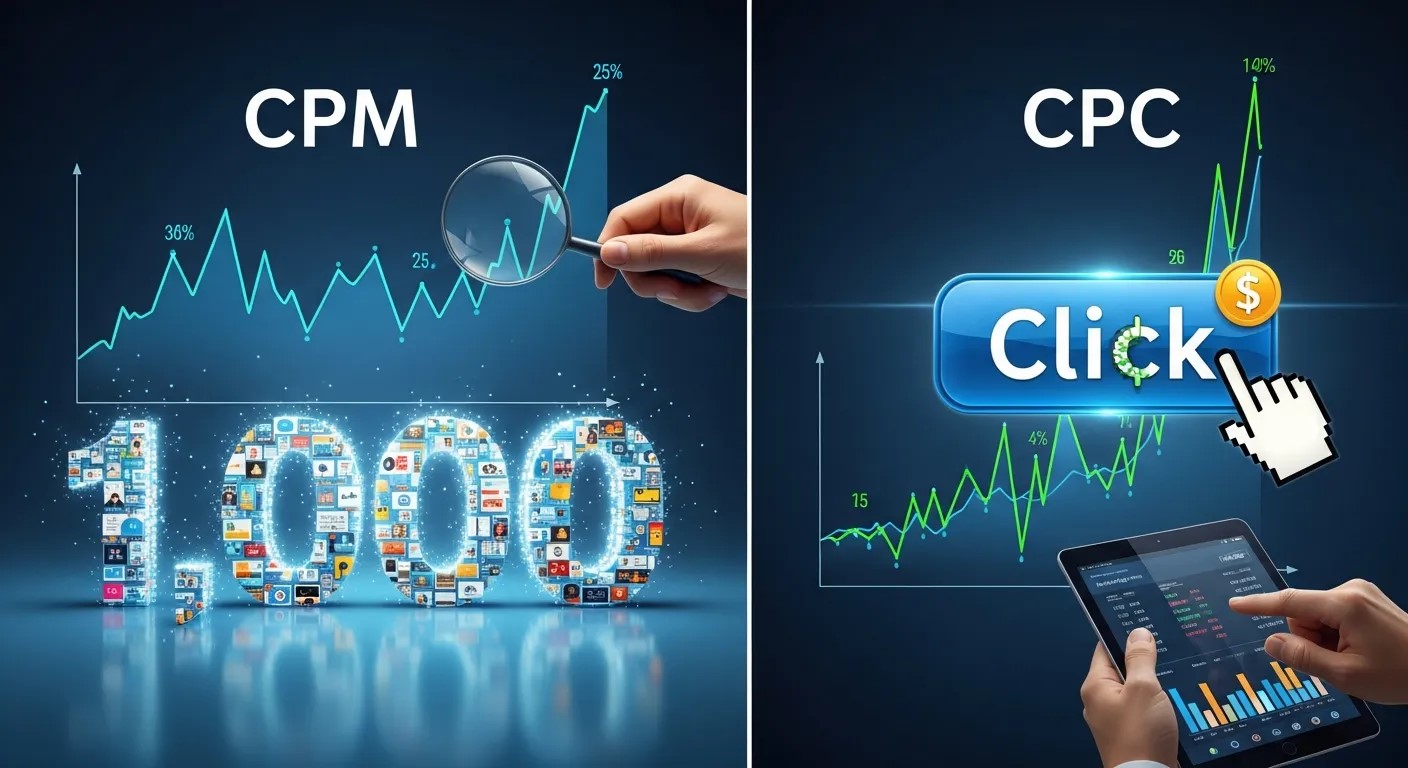
Once campaigns are live, measuring their performance is essential. CPM and CPC in SEM campaigns differ in the metrics you monitor, but both require careful analysis to optimize ROI.
For CPM campaigns, the focus is primarily on impressions, reach, and brand visibility. Metrics such as cost per thousand impressions, ad frequency, and viewability rate provide insights into how effectively your ad is being seen. Businesses running SEM with Social Media Ads can also track engagement metrics like likes, shares, and comments to gauge audience response, even though CPM is not click-driven.
CPC campaigns, on the other hand, focus on click-through rate (CTR), cost per click, and conversion rate. These metrics help advertisers determine how effectively their ads generate user interactions and drive action. In Paid Search Marketing, CPC performance metrics are crucial for refining keywords, ad copy, and bidding strategies.
Understanding the differences in measurement between CPM and CPC in SEM allows marketers to tailor their optimization efforts. For instance, a CPM campaign might show high impressions but low engagement, signaling a need for more compelling ad creatives. Conversely, a CPC campaign with low CTR may indicate that the keywords or ad copy need adjustment.
Case Studies of CPM and CPC in SEM
Looking at real-world examples can clarify how CPM and CPC in SEM work in practice.
E-Commerce Brand
An e-commerce brand launching a seasonal sale used a CPM campaign on social media to maximize product visibility. Impressions soared, increasing brand awareness, while subsequent CPC campaigns targeted users searching for related products. This combination led to a significant spike in conversions, showing how CPM lays the groundwork for CPC-driven actions.
SaaS Company
A SaaS company promoting a new software tool leveraged a CPC campaign focused on high-intent keywords. To expand reach, they also ran CPM campaigns on LinkedIn, targeting professionals in relevant industries. This multi-layered approach ensured brand visibility while capturing actionable leads, effectively demonstrating the power of integrating CPM and CPC in SEM.
Event Marketing
Event organizers running a CPM campaign achieved high awareness across multiple channels. Later, a CPC campaign focused on retargeting visitors who interacted with initial ads, increasing ticket sales efficiently. This illustrates how combining both models can optimize the marketing funnel from awareness to conversion.
Scaling Your CPM and CPC Campaigns
Scaling campaigns requires careful planning to maintain efficiency and ROI. For CPM and CPC in SEM, consider these strategies:
-
Expand Target Audience: Gradually widen demographic and geographic targeting while monitoring performance metrics.
-
Increase Budget Strategically: Allocate additional budget to high-performing campaigns while pausing underperforming ones.
-
Test New Channels: Introduce ads on alternative platforms or networks to diversify reach.
-
Use Retargeting: Combine CPM awareness campaigns with CPC retargeting to capture high-intent users efficiently.
Advanced scaling techniques often involve predictive analytics, machine learning, and AI-based bid optimizations. Partnering with a Search Engine Marketing Consultant can help businesses implement these strategies effectively, ensuring CPM and CPC in SEM campaigns continue to deliver results at scale.
Common Mistakes to Avoid in CPM and CPC Campaigns
Even experienced marketers can fall into common pitfalls when managing CPM and CPC in SEM campaigns:
-
Ignoring Frequency Capping: Overexposing users in CPM campaigns can lead to ad fatigue and wasted impressions.
-
Poor Keyword Selection: CPC campaigns relying on broad or irrelevant keywords may generate clicks without conversions.
-
Neglecting Analytics: Failing to monitor metrics prevents timely optimizations.
-
Lack of Creative Testing: Ads that aren’t tested for engagement may underperform in both CPM and CPC campaigns.
Avoiding these mistakes ensures that your campaigns remain cost-effective, targeted, and impactful. Integrating insights from Paid Search Marketing practices or working with a Search Engine Marketing Consultant can mitigate these risks and enhance campaign success.
Combining CPM and CPC for Maximum ROI
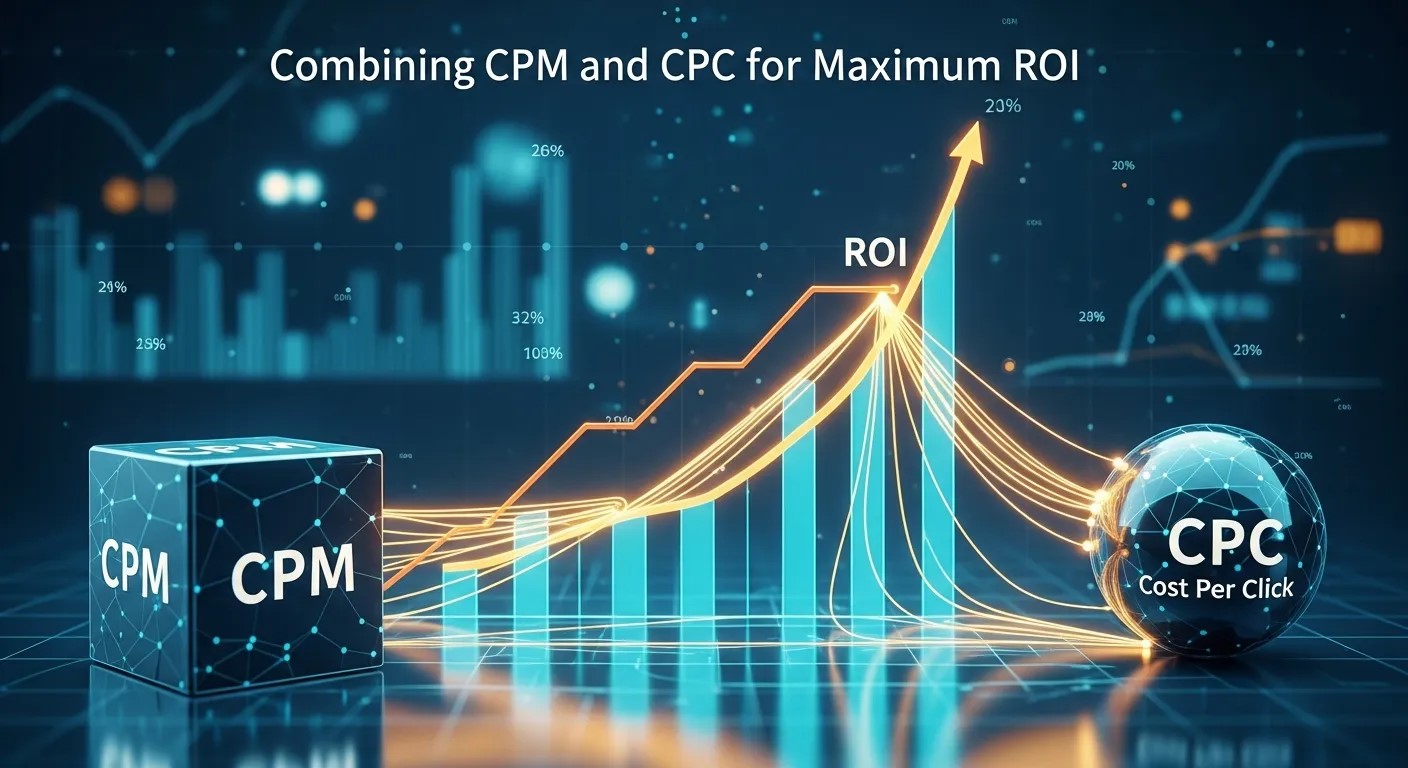
The most effective SEM strategies often combine CPM and CPC models. By leveraging CPM and CPC in SEM together, businesses can cover the entire customer journey:
-
Awareness Stage: CPM campaigns build recognition and reach a broad audience.
-
Consideration Stage: CPC campaigns target users who have shown interest, guiding them toward engagement.
-
Conversion Stage: Retargeting CPC campaigns focus on high-intent users to drive final actions.
This holistic approach ensures that marketing budgets are optimized, maximizing both visibility and engagement. Invented Search Engine Marketing techniques over the years have further enhanced this integration, allowing advertisers to automate and personalize campaigns across multiple platforms.
Conclusion
Understanding CPM and CPC in SEM is essential for any business aiming to optimize digital advertising campaigns. CPM helps maximize brand visibility by delivering ads to a wide audience, while CPC ensures that you pay only for clicks, focusing on direct engagement and conversions.
For businesses investing in SEM with Social Media Ads or running Paid Search Marketing campaigns, leveraging both CPM and CPC models strategically can create a balanced marketing funnel. Top-performing campaigns often use CPM to build awareness at the top of the funnel and CPC to target users with high intent, ensuring that every marketing dollar contributes to measurable results.
Moreover, integrating insights from a Search Engine Marketing Consultant or adopting advanced Invented Search Engine Marketing techniques allows advertisers to refine targeting, optimize ad creatives, and scale campaigns efficiently. By fully understanding the nuances of CPM and CPC in SEM, marketers can make informed decisions, allocate budgets wisely, and achieve sustainable ROI across multiple platforms.
Frequently Asked Questions About CPM and CPC in SEM
What is the main difference between CPM and CPC in SEM?
The primary difference lies in how advertisers are charged. CPM and CPC in SEM differ in that CPM charges per 1,000 impressions, focusing on brand visibility, while CPC charges per click, emphasizing engagement and conversions.
Which model is better for brand awareness?
For building brand recognition, CPM campaigns are generally more effective. Using CPM and CPC in SEM together, CPM ensures wide reach, while CPC can later target interested users for conversions.
Can CPM and CPC campaigns be combined?
Yes. Combining CPM and CPC in SEM creates a full-funnel strategy CPM builds awareness at the top, and CPC drives clicks and conversions at the bottom, optimizing ROI across platforms.
How do I decide whether to use CPM or CPC?
It depends on your campaign goals. Choose CPM for impressions and visibility, and CPC if you want measurable engagement or sales. Many businesses integrate both for a balanced SEM approach.
Do social media ads use CPM or CPC?
Both models are common in SEM with Social Media Ads. CPM is often used for awareness campaigns, while CPC targets users likely to interact, click, or convert, depending on campaign objectives.
How can a Search Engine Marketing Consultant help?
A Search Engine Marketing Consultant can guide you in selecting the right model, optimizing campaigns, and combining CPM and CPC strategies for maximum impact and measurable ROI.
Are CPM and CPC suitable for Paid Search Marketing?
Absolutely. Paid Search Marketing relies heavily on CPC for direct clicks, but CPM can also be used strategically to increase visibility across display networks and retargeting campaigns.
How can I optimize CPM and CPC campaigns?
Optimization includes audience targeting, ad quality improvement, strategic bidding, keyword selection, and continuous performance monitoring. Leveraging Invented Search Engine Marketing techniques can further enhance results.



Leave a Reply