

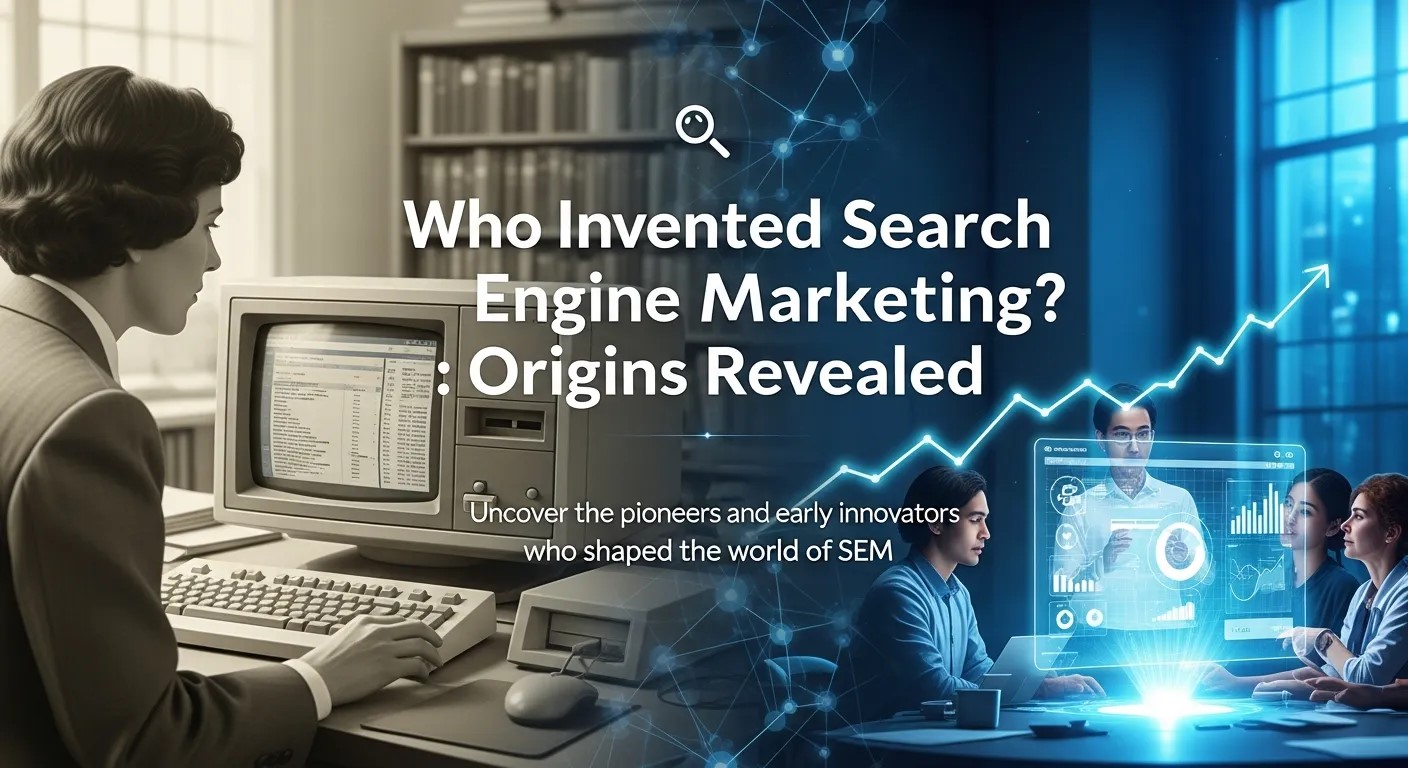
This guide explores who invented Search Engine Marketing, its evolution, and modern strategies. From Paid Search Marketing to AI-Powered Bidding Strategies and Harnessing Predictive Analytics, businesses can maximize ROI with effective SEM campaigns.
Introduction to Search Engine Marketing
In today’s digital landscape, businesses are constantly searching for ways to improve visibility and reach their target audience efficiently. Search Engine Marketing (SEM) has emerged as one of the most effective tools to achieve this goal. By leveraging paid search campaigns, businesses can appear at the top of search engine results, driving targeted traffic that is more likely to convert into customers. But who exactly invented Search Engine Marketing, and how did this transformative marketing approach come into existence?
The origins of Search Engine Marketing trace back to the late 1990s and early 2000s, when search engines began monetizing their platforms through paid advertisements. This period marked the dawn of a new era in digital marketing, as marketers realized the potential of appearing in front of users actively searching for products or services.
Early Beginnings: The Birth of Paid Search Marketing
Paid search advertising, a key component of Search Engine Marketing, started with simple keyword-based ads displayed alongside organic search results. Early innovators in this space experimented with different pricing models, including cost-per-impression and cost-per-click. Over time, these approaches evolved into more sophisticated auction systems, allowing businesses to compete for ad placement on search engines like Google, Yahoo, and Bing.
The introduction of Paid Search Marketing changed the game for digital advertisers. Instead of relying solely on banner ads or email campaigns, companies could now target users based on intent. This shift not only improved conversion rates but also provided measurable ROI for marketing campaigns, making Search Engine Marketing a staple in the digital marketing toolkit.
Key Figures in the Evolution of Search Engine Marketing

While there isn’t a single individual credited with inventing Search Engine Marketing, several innovators played pivotal roles in shaping its development. Early search engines like Yahoo! experimented with paid placements, but it was Google that truly revolutionized the field with the introduction of AdWords in 2000. AdWords enabled businesses to bid on keywords in real-time auctions, a concept that transformed how digital advertising operates today.
The success of Google’s platform attracted early digital marketers who became the first SEM Specialists, mastering the intricacies of keyword research, ad copywriting, and campaign optimization. These pioneers demonstrated the power of targeted advertising, setting the foundation for modern SEM strategies that businesses rely on today.
The Role of SEM Specialists in Modern Marketing
A modern SEM Specialist is more than just someone who manages paid campaigns. These professionals analyze search trends, optimize bidding strategies, and craft compelling ad copy to drive engagement. By understanding consumer behavior and search intent, SEM Specialists ensure that businesses achieve maximum ROI from their advertising budgets.
Additionally, SEM Specialists often leverage tools for Harnessing Predictive Analytics, enabling them to anticipate market trends and make data-driven decisions. This approach allows marketers to optimize campaigns proactively rather than reactively, ensuring that Search Engine Marketing efforts remain effective even in competitive industries.
Technological Advancements That Shaped SEM
The evolution of Search Engine Marketing has been heavily influenced by technological advancements. Early paid search campaigns were manually managed, requiring marketers to track performance metrics by hand. Today, automation tools and AI-driven platforms allow businesses to implement AI-Powered Bidding Strategies, adjusting bids in real-time to maximize visibility and conversions.
These technologies not only improve efficiency but also provide insights that were previously impossible. For example, marketers can now analyze user behavior across multiple touchpoints, enabling a holistic approach to Paid Search Marketing. The integration of AI and predictive analytics ensures that SEM campaigns are continuously optimized, providing measurable results for businesses of all sizes.
The Evolution of Search Engine Marketing Strategies
As Search Engine Marketing matured, marketers began developing more sophisticated strategies to maximize campaign performance. Initially, the focus was on selecting the right keywords and writing compelling ad copy. However, with the rise of AI and data analytics, SEM strategies evolved to include real-time bidding, audience segmentation, and predictive optimization.
One of the major breakthroughs in SEM came with AI-Powered Bidding Strategies. These systems use machine learning to adjust bids based on factors such as user location, time of day, device type, and historical performance data. By doing so, businesses can ensure that their ads appear at the optimal moment, driving higher engagement and conversions without overspending.
Harnessing Predictive Analytics for Targeted Campaigns
Another crucial advancement in Search Engine Marketing is the use of Harnessing Predictive Analytics. By analyzing historical data and user behavior patterns, marketers can anticipate which keywords or ad formats are most likely to yield results. This predictive approach reduces trial-and-error spending and allows campaigns to achieve measurable ROI more efficiently.
For instance, an e-commerce company might use predictive analytics to determine which products are trending in a specific region. The SEM Specialist can then tailor campaigns to target those high-interest areas, ensuring that paid ads reach users who are most likely to convert.
Paid Search Marketing vs Organic SEO
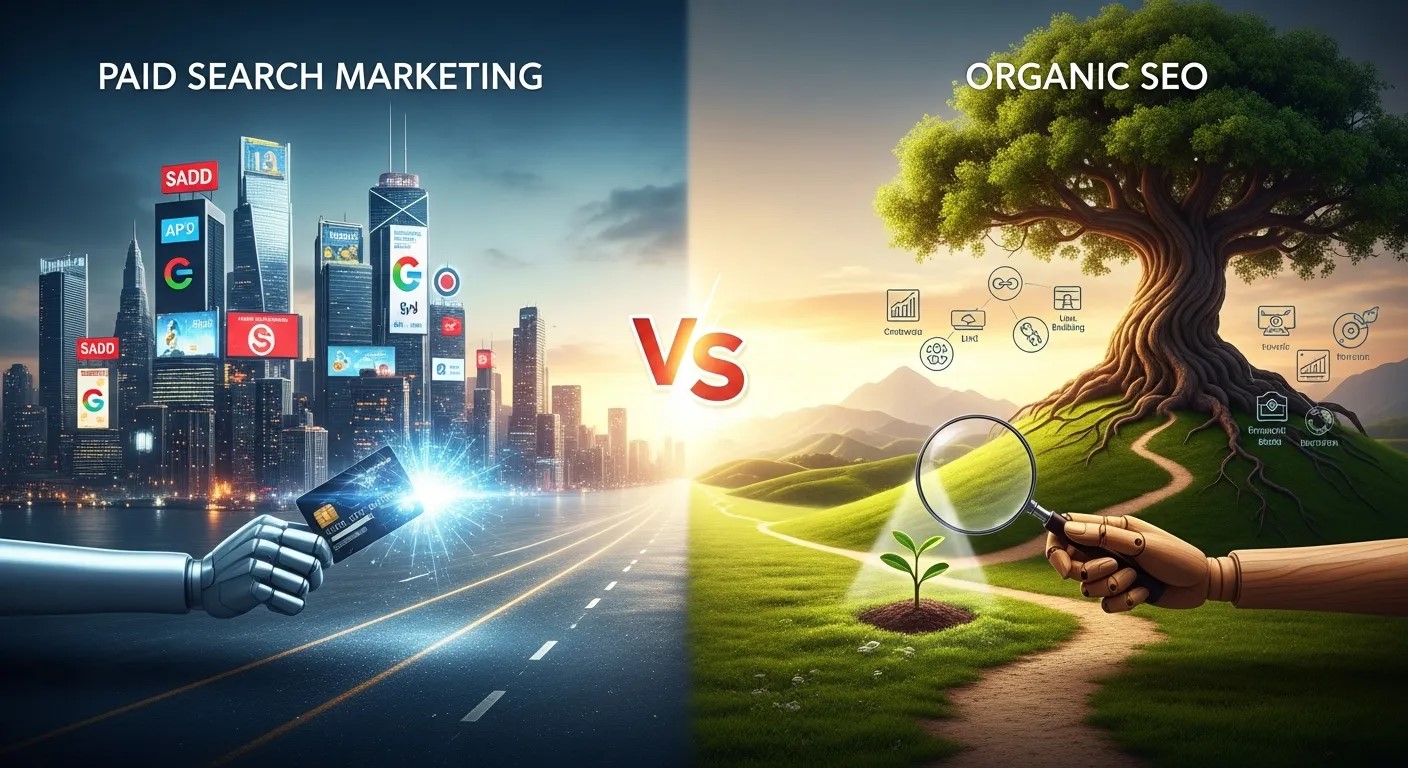
It’s important to understand the difference between Paid Search Marketing and organic SEO. While organic SEO focuses on optimizing website content to appear naturally in search results, paid search allows immediate visibility through ad placements. Search Engine Marketing bridges these two approaches by providing actionable insights and measurable outcomes that complement long-term SEO efforts.
Many businesses now adopt a hybrid approach, using paid search campaigns to test new keywords or product lines while simultaneously strengthening their organic presence. This synergy ensures that companies stay competitive in highly saturated markets.
The SEM Specialist’s Toolkit
Modern SEM Specialists rely on a variety of tools and platforms to manage campaigns efficiently. Keyword research tools, ad testing platforms, and analytics dashboards are essential for identifying opportunities and tracking performance. These specialists also integrate AI-driven insights and predictive analytics into their workflow to optimize campaigns in real time.
A typical SEM workflow might include:
- Conducting comprehensive keyword research to identify high-intent search terms
- Designing ad copy tailored to target audiences
- Implementing AI-Powered Bidding Strategies for optimal placement
- Monitoring campaign performance and adjusting bids or keywords
- Using Harnessing Predictive Analytics to forecast trends and guide future campaigns
By combining these tools and strategies, SEM Specialists can maximize campaign ROI and ensure that Search Engine Marketing efforts deliver measurable business growth.
Case Study: Early Success Stories
Consider the example of a startup that adopted Paid Search Marketing in the early 2000s. By targeting highly specific keywords and continuously optimizing campaigns, the company quickly gained visibility in its niche. Over time, these efforts generated a consistent stream of leads, demonstrating the effectiveness of Search Engine Marketing when executed strategically.
Similarly, companies that embraced predictive analytics early on were able to forecast seasonal trends and adjust their bids accordingly. This proactive approach gave them a competitive edge, highlighting the importance of integrating data-driven insights into modern SEM strategies.
Advanced Techniques in Search Engine Marketing
The field of Search Engine Marketing has grown far beyond basic keyword bidding. Modern SEM strategies now incorporate behavioral targeting, dynamic ad content, and multi-device optimization to maximize the impact of every campaign. Businesses can no longer rely solely on intuition; data-driven decision-making has become central to SEM success.
Behavioral Targeting and Audience Segmentation
One of the most significant advancements in Search Engine Marketing is the ability to target audiences based on behavior rather than just demographics. By analyzing user interactions, search history, and online engagement patterns, marketers can create segmented campaigns tailored to individual preferences.
For example, a company selling fitness products can target users who frequently search for workout plans or nutrition advice. By aligning ad content with users’ interests, marketers increase the likelihood of clicks and conversions. This precision targeting is what separates modern SEM from early paid search campaigns.
AI-Powered Bidding Strategies: Smarter Campaign Management
AI-Powered Bidding Strategies have revolutionized paid search. Traditional manual bidding required constant adjustments and monitoring, which was time-consuming and often inaccurate. Today, AI systems analyze massive datasets in real-time to adjust bids automatically. These algorithms consider factors such as device type, location, time of day, competitor behavior, and even past purchasing behavior to maximize ROI.
For instance, an e-commerce retailer using AI-driven bidding might automatically increase bids during peak shopping hours while lowering them during low-traffic periods. The SEM Specialist monitors these automated strategies, ensuring they align with overall campaign objectives. This approach allows for efficient scaling of Search Engine Marketing efforts without compromising precision.
Harnessing Predictive Analytics for Future Growth
Modern Search Engine Marketing campaigns leverage Harnessing Predictive Analytics to forecast trends and anticipate user needs. Predictive models analyze past campaign data, market trends, and user behavior to identify high-potential keywords and audiences before competitors do.
Imagine a seasonal product launch. Using predictive analytics, a business can determine which regions will have the highest demand and adjust ad spend accordingly. This not only improves ROI but also reduces wasted ad spend. By anticipating market shifts, SEM Specialists can craft campaigns that stay ahead of trends rather than reacting to them.
Integrating Paid Search Marketing Across Channels
A holistic approach to Paid Search Marketing involves integrating campaigns across multiple platforms and channels. Google Ads, Bing Ads, and social media platforms like Facebook and Instagram can work together to reinforce brand messaging and capture potential customers at different stages of the buying journey.
Cross-channel SEM strategies allow businesses to:
- Maintain consistent messaging across platforms
- Retarget users who interacted with one ad but didn’t convert
- Use data from one channel to optimize campaigns on another
For example, a user searching for “best productivity tools” might first see a Google ad, later encounter a retargeting ad on social media, and finally complete a purchase through a dynamic ad in a partner network. Coordinating campaigns in this way increases conversions and reinforces brand recognition.
Dynamic Ad Content: Personalized Messaging at Scale

Dynamic content Ad is another key innovation in Search Engine Marketing. Rather than using generic ad copy, dynamic ads adjust content based on the user’s search query, location, or previous interactions.
Consider an online travel company. Instead of showing the same ad to all users, the platform can display different destinations based on each person’s past searches or browsing patterns. This level of personalization significantly boosts engagement, as users feel the ad speaks directly to their needs.
The Evolving Role of SEM Specialists
In this advanced landscape, the role of an SEM Specialist extends far beyond setting up campaigns. Specialists now act as strategic marketers, data analysts, and technologists. Their responsibilities include:
- Interpreting complex datasets to guide bidding and targeting decisions
- Implementing AI-Powered Bidding Strategies and predictive insights
- Ensuring that cross-channel campaigns maintain brand consistency
- Continuously testing and refining ad copy, keywords, and audience segments
By mastering these techniques, SEM Specialists ensure that Search Engine Marketing continues to deliver measurable growth in increasingly competitive markets.
Measuring Success in Search Engine Marketing
To fully understand the impact of Search Engine Marketing, it’s essential to track key performance indicators (KPIs). Without proper measurement, even the most well-planned campaigns can fail to deliver results. Modern SEM campaigns use a combination of metrics to gauge effectiveness, optimize performance, and justify marketing spend.
Key Metrics in SEM
Some of the most important KPIs include:
| KPI | Description | Why It Matters |
|---|---|---|
| Click-Through Rate (CTR) | Percentage of users who click on an ad | Measures ad relevance and engagement |
| Cost Per Click (CPC) | Average cost for each click on an ad | Determines campaign efficiency |
| Conversion Rate | Percentage of visitors completing a desired action | Indicates effectiveness of landing pages and messaging |
| Quality Score | Google’s metric for ad relevance and landing page quality | Affects ad ranking and CPC |
| Return on Ad Spend (ROAS) | Revenue generated per dollar spent | Direct measure of ROI in Paid Search Marketing |
Monitoring these metrics allows the SEM Specialist to make informed decisions, adjust bids, and refine ad copy. For example, low CTR might indicate that the ad copy isn’t resonating, while high CPC could signal intense competition for certain keywords.
Optimization Frameworks
Successful Search Engine Marketing campaigns follow structured optimization frameworks. A typical process might include:
-
Keyword Analysis – Identifying high-intent and low-competition keywords to target.
-
Ad Copy Testing – Running A/B tests to determine which messaging resonates best.
-
Bid Optimization – Using AI-Powered Bidding Strategies to maximize ROI.
-
Landing Page Refinement – Ensuring that the user journey is seamless and conversion-focused.
-
Predictive Insights – Harnessing Predictive Analytics to anticipate user behavior and adjust campaigns accordingly.
This cyclical approach ensures that campaigns continuously improve, keeping Search Engine Marketing efforts competitive and effective over time.
Real-World Examples
Many companies have successfully leveraged Search Engine Marketing to grow their business. For instance, a SaaS company targeting small businesses used targeted keywords combined with predictive bidding to increase leads by 150% within three months. By continuously analyzing data and implementing AI-driven strategies, the SEM Specialist was able to optimize campaigns in real time, maximizing visibility while controlling costs.
Similarly, e-commerce brands often integrate Paid Search Marketing with social media retargeting. A user who clicks a product ad on Google might later see related dynamic ads on Instagram or Facebook. This cross-channel approach, orchestrated by skilled SEM professionals, reinforces brand awareness and increases the probability of conversions.
Integrating Cross-Device Campaigns
Modern consumers interact with multiple devices throughout their buying journey. A mobile user may discover a product via a paid search ad but complete the purchase on a desktop. Effective Search Engine Marketing accounts for these touchpoints, ensuring that campaigns are optimized for mobile, desktop, and tablet experiences.
AI-Powered Bidding Strategies are particularly useful here, as they can adjust bids automatically based on device type, location, and time of day, ensuring optimal ad visibility across channels. Harnessing Predictive Analytics helps anticipate which device or platform a user is most likely to convert on, further refining campaign efficiency.
Future Trends in Search Engine Marketing
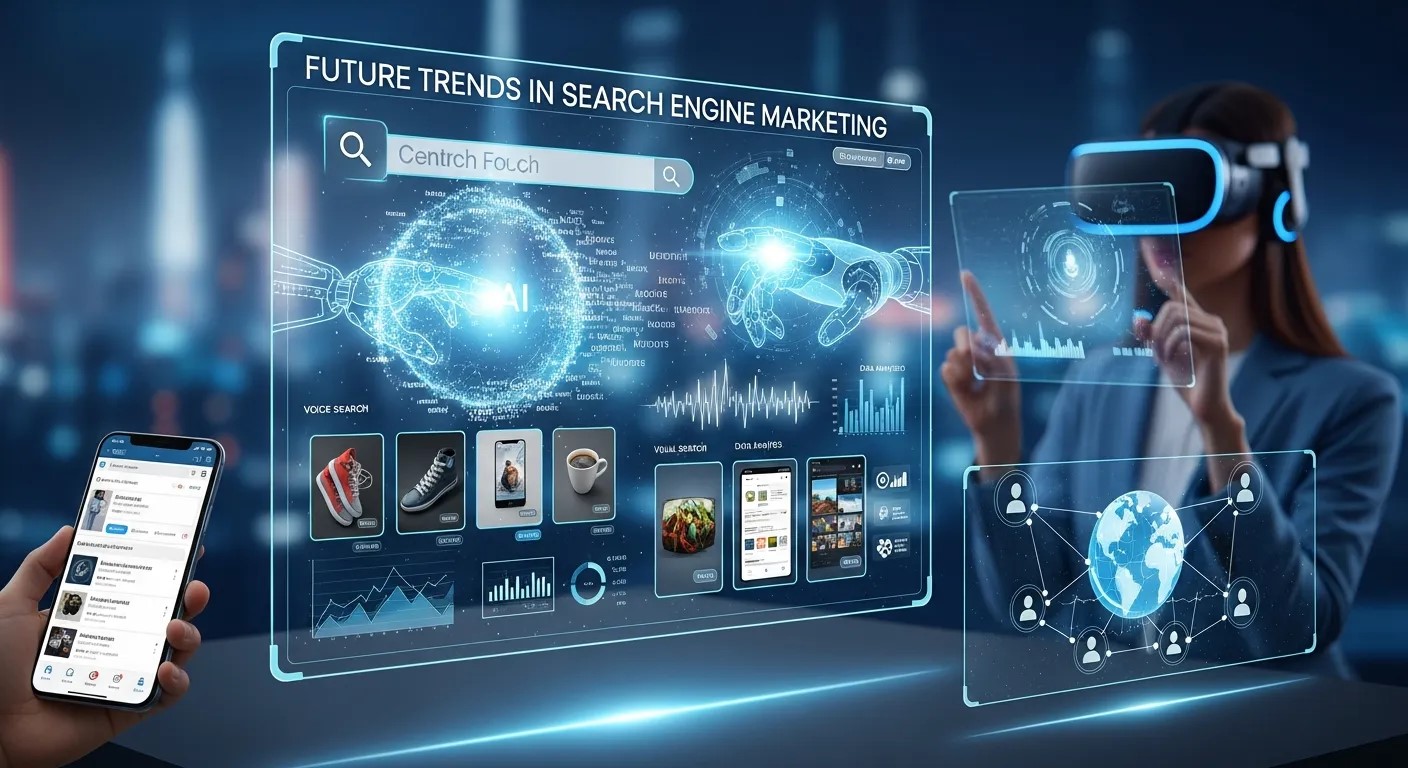
The future of Search Engine Marketing promises even greater integration of AI, automation, and personalization. Key trends include:
-
Voice Search Optimization – With voice-activated devices becoming ubiquitous, optimizing for natural language queries will be critical.
-
Automation and Smart Bidding – Advanced algorithms will handle more aspects of bidding and targeting, freeing SEM Specialists to focus on strategy and creativity.
-
Predictive User Journeys – Using AI and analytics to anticipate consumer behavior and deliver hyper-relevant ads.
-
Cross-Platform Synergy – Coordinating campaigns across search, social, and display networks for a unified approach.
By staying ahead of these trends, marketers can maintain a competitive edge and ensure their Search Engine Marketing campaigns continue to deliver measurable business impact.
Conclusion
Search Engine Marketing has come a long way since its early days, transforming how businesses reach and engage their audiences. From pioneering Paid Search Marketing to leveraging AI-Powered Bidding Strategies and Harnessing Predictive Analytics, modern SEM empowers marketers to drive measurable growth. By combining data-driven insights with strategic planning, businesses and SEM Specialists can optimize campaigns, maximize ROI, and stay ahead in the competitive digital landscape.
Frequently Asked Questions (FAQs)
What is Search Engine Marketing (SEM)?
Search Engine Marketing is a digital marketing strategy that uses paid advertising to increase a website’s visibility on search engine results pages. It includes keyword targeting, ad campaigns, and optimization to drive traffic and conversions.
Who invented Search Engine Marketing?
There isn’t a single inventor of Search Engine Marketing, but it evolved in the late 1990s with early paid search models. Google’s launch of AdWords in 2000 was a key milestone, popularizing modern SEM practices.
What is the role of an SEM Specialist?
An SEM Specialist manages and optimizes paid search campaigns, conducts keyword research, analyzes data, and implements strategies like AI-Powered Bidding and Harnessing Predictive Analytics to maximize ROI.
How does Paid Search Marketing work?
Paid Search Marketing allows businesses to bid on keywords relevant to their products or services. Ads appear in search results, and marketers pay per click or impression, targeting users with high purchase intent.
What are AI-Powered Bidding Strategies?
These strategies use artificial intelligence to adjust bids in real time, considering factors like user behavior, location, device, and competition, ensuring optimal ad placement and maximizing ROI in Search Engine Marketing campaigns.
How can predictive analytics improve SEM campaigns?
By Harnessing Predictive Analytics, marketers can forecast trends, anticipate user behavior, and optimize bids and targeting strategies before competitors, resulting in more efficient and effective campaigns.
What are the main benefits of SEM?
The key benefits include immediate visibility, targeted audience reach, measurable ROI, enhanced lead generation, and the ability to complement long-term SEO strategies.



Leave a Reply