


Machine Learning in SEM automates bids, optimizes targeting, and enhances ad performance. By integrating voice search, predictive analytics, and AI-driven insights, businesses achieve higher ROI, smarter campaigns, and improved audience engagement across digital channels.
How Machine Learning is Changing the Game
The digital marketing landscape is evolving rapidly, and businesses are constantly looking for ways to optimize their paid search campaigns. Machine Learning in SEM has emerged as a powerful tool to drive smarter decisions and achieve higher returns on investment. By leveraging data-driven insights, marketers can automate bid adjustments, target the right audience, and improve overall campaign performance.
Unlike traditional SEM strategies, which rely heavily on manual intervention and periodic analysis, machine learning algorithms continuously learn from real-time data to predict user behavior, adjust bids, and maximize campaign efficiency. This approach allows advertisers to focus on strategy and creativity while leaving complex optimization processes to intelligent systems.
As the digital ecosystem becomes increasingly complex, integrating Voice Search Optimization into SEM campaigns is no longer optional. Consumers are interacting with smart assistants daily, and campaigns that fail to account for conversational queries risk missing valuable traffic. By combining machine learning with voice search strategies, marketers can ensure their ads appear at the right moment, for the right audience, with maximum relevance.
How Machine Learning Transforms SEM
Understanding Bid Automation
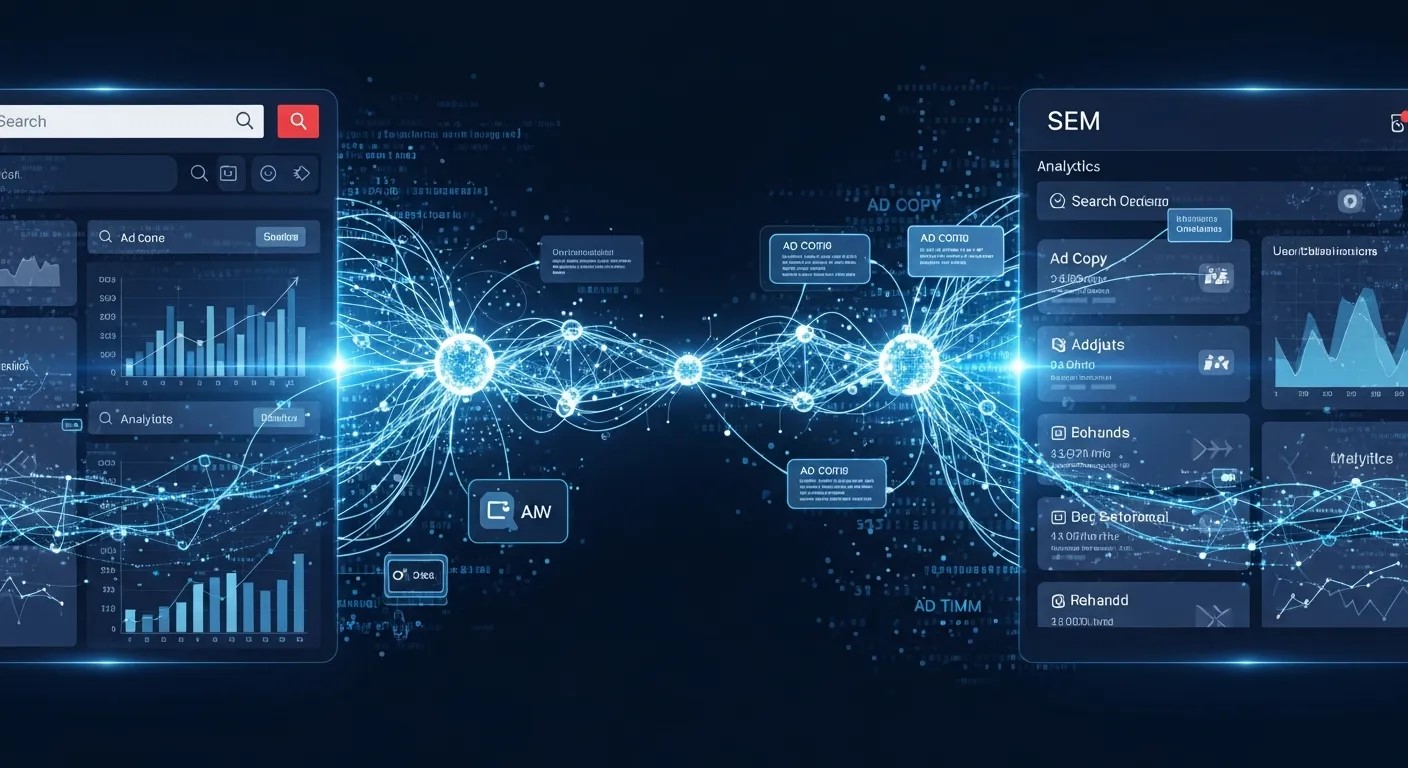
One of the most significant applications of Machine Learning in SEM is automated bidding. Traditionally, advertisers had to manually set bids for each keyword, constantly monitoring performance metrics to make adjustments. This process was not only time-consuming but also prone to human error.
Machine learning algorithms analyze historical and real-time data to make predictive adjustments in bids. These systems consider factors such as device type, location, time of day, audience behavior, and even external factors like seasonality. By processing these variables at scale, advertisers can achieve optimized bid strategies that maximize ROI without constant manual oversight.
Table 1: Comparison of Manual vs Machine Learning Bid Management
| Feature | Manual SEM | Machine Learning in SEM |
|---|---|---|
| Bid Adjustment | Manual | Automated & Predictive |
| Speed | Slow, requires regular monitoring | Real-time, continuous learning |
| Accuracy | Prone to errors | High, data-driven |
| ROI Optimization | Moderate | High |
Predictive Targeting
Another critical advantage of Machine Learning in SEM is predictive targeting. Algorithms can analyze user behavior, search intent, and engagement patterns to predict which prospects are most likely to convert. By allocating budget toward high-intent users, businesses reduce wasted spend and increase overall campaign efficiency.
Integrating Voice Search and Smart Assistants into these campaigns adds an additional layer of precision. Users often phrase queries differently when speaking compared to typing. By understanding these nuances, machine learning systems can tailor ad targeting to capture voice-driven traffic, which continues to grow rapidly with smart speaker adoption.
Campaign Optimization Through Data
Real-Time Adjustments
One of the hallmarks of Machine Learning in SEM is its ability to make real-time campaign adjustments. These systems monitor click-through rates, conversion rates, impression share, and other critical KPIs continuously. Based on this data, bids, ad placements, and targeting parameters can be optimized dynamically.
Dynamic optimization reduces the need for frequent manual interventions while ensuring campaigns remain competitive. For example, if a competitor increases bids for a high-value keyword, machine learning algorithms can automatically adjust bids to maintain visibility without overspending.
Audience Segmentation
Audience segmentation is another area where Machine Learning in SEM shines. By analyzing user demographics, behavior, and engagement history, machine learning models can create highly specific audience segments. This allows advertisers to tailor messages and offers, improving relevance and conversion likelihood.
Moreover, leveraging data from Harnessing Voice Search in SEM can further enhance segmentation. Voice-based queries often carry strong intent signals. Understanding these patterns allows campaigns to serve more personalized and contextually relevant ads, improving engagement and conversion rates.
Integrating AI with SEM Strategy
Combining Bots and Chatbots Automate Interactions
Beyond bid management and targeting, integrating AI-driven systems such as bots and chatbots can enhance SEM campaigns. These tools automate customer interactions, provide instant responses, and collect valuable data about user preferences. This information feeds back into machine learning models, allowing even more precise ad targeting and bid adjustments.
For example, a chatbot can engage with users who click on an ad, collect behavioral insights, and segment audiences for future campaigns. By combining this with predictive bid adjustments, marketers achieve a holistic, automated SEM strategy that drives both efficiency and ROI.
Measuring Success With Advanced Metrics
Traditional SEM campaigns often rely on basic metrics like CTR, CPC, and conversion rate. While important, these metrics alone do not capture the full impact of machine learning-driven optimization. Advanced metrics such as predicted lifetime value, incremental conversions, and engagement quality provide deeper insights into campaign performance.
Machine Learning in SEM leverages these metrics to continuously refine campaigns. By predicting future user behavior and adjusting strategies accordingly, marketers can stay ahead of competitors while maintaining cost efficiency.
The Role of Emerging Technologies

Voice Search Optimization
As voice-enabled devices become ubiquitous, Voice Search Optimization has become an essential part of SEM. Users often ask conversational questions, which differ from typed searches. Machine learning models can analyze these voice queries, predict intent, and adjust ad campaigns to capture this emerging traffic effectively.
By incorporating voice search data into predictive bid algorithms, marketers can target users more accurately, ensuring ads are shown when intent is highest. This combination of machine learning and voice search strategies ensures campaigns remain competitive in a rapidly evolving digital landscape.
Leveraging AR and Revolutionary AR Devices
Emerging technologies like augmented reality are influencing digital marketing strategies. Revolutionary AR Devices provide immersive experiences that engage users on a deeper level. Machine learning algorithms can analyze interactions with AR content to optimize ad placements and messaging.
For example, a user engaging with an AR product demo can trigger follow-up SEM ads that are highly relevant, increasing the likelihood of conversion. This integration of AR insights into SEM campaigns represents the next frontier of data-driven marketing.
Best Practices for Implementing Machine Learning in SEM
Start With Clear Goals
Before implementing Machine Learning in SEM, it is crucial to define clear objectives. Whether the goal is maximizing ROI, increasing conversion rates, or improving audience engagement, understanding desired outcomes ensures that algorithms optimize for the right KPIs.
Choose the Right Platforms
Not all SEM platforms offer the same level of machine learning integration. Google Ads, Microsoft Ads, and other platforms provide varying degrees of automation, predictive targeting, and bid management features. Selecting platforms aligned with business objectives is critical for success.
Continuous Monitoring and Iteration
While machine learning automates many processes, continuous monitoring remains essential. Campaigns should be regularly reviewed to ensure alignment with business goals, assess performance against benchmarks, and make strategic adjustments as needed.
Integrating Multichannel Data
Modern SEM campaigns benefit from integrating data across multiple channels. Insights from social media, email campaigns, and website analytics can feed into machine learning algorithms, enhancing predictive accuracy and improving targeting across the customer journey.
Case Study: Automated Bidding Success

Consider a mid-sized e-commerce company that adopted Machine Learning in SEM to automate its bidding strategy. Prior to implementation, the company struggled with fluctuating ROI and manual bid management. After integrating machine learning:
-
CPC decreased by 18% due to optimized bids.
-
Conversion rates improved by 24% by targeting high-intent users.
-
Engagement from voice search traffic increased 30% after analyzing voice query patterns.
-
Automated chatbots collected user data that informed subsequent campaigns, further improving relevance.
This case illustrates the transformative impact of combining predictive bidding, audience segmentation, and AI-driven automation in SEM campaigns.
Challenges and Considerations
Data Quality
Machine learning models are only as good as the data they process. Poor-quality or incomplete data can lead to inaccurate predictions and suboptimal bidding strategies. Ensuring accurate, comprehensive data collection is essential for effective SEM optimization.
Algorithm Transparency
While machine learning offers powerful automation, understanding how algorithms make decisions is crucial. Businesses should ensure transparency in how models adjust bids and target audiences to avoid unintended consequences or wasted spend.
Balancing Automation and Human Oversight
Complete reliance on automation may lead to strategic blind spots. Human oversight remains critical for creative strategy, messaging, and monitoring external factors that algorithms may not account for. The most successful campaigns balance automation with strategic human input.
Enhancing Ad Copy Performance
Optimizing ad copy is crucial for maximizing the impact of Machine Learning in SEM campaigns. Machine learning algorithms analyze historical click-through data, user behavior, and engagement metrics to determine which headlines, descriptions, and call-to-actions perform best. By continuously testing variations, the system can automatically prioritize high-performing ad copy, increasing conversion rates and reducing wasted spend. Integrating insights from Voice Search Optimization ensures that ad copy also aligns with conversational queries, capturing voice-driven traffic effectively. Additionally, understanding audience intent through predictive analysis allows advertisers to tailor messaging for maximum relevance. The synergy of automated ad copy testing and predictive targeting highlights how Machine Learning in SEM not only improves efficiency but also enhances the overall user experience, making campaigns smarter, faster, and more ROI-focused.
Predictive Budget Allocation
Effective budget allocation is one of the most significant advantages of Machine Learning in SEM. Algorithms analyze historical campaign performance, seasonal trends, and competitor activity to predict where budgets should be allocated for maximum ROI. Machine learning systems can automatically shift funds toward high-performing keywords and audience segments, reducing manual oversight. Incorporating Harnessing Voice Search in SEM ensures that voice query traffic is factored into budget planning, capturing high-intent users often overlooked in traditional campaigns. Over time, predictive budget allocation allows campaigns to become more cost-efficient while improving visibility and engagement. By leveraging the predictive power of Machine Learning in SEM, businesses can confidently optimize spending, minimize wasted investment, and maintain a competitive edge in rapidly evolving digital landscapes.
Smart Keyword Discovery
Machine Learning in SEM goes beyond traditional keyword research by analyzing user intent, historical search data, and conversion patterns to discover untapped keyword opportunities. Algorithms can identify long-tail keywords, voice search phrases, and high-converting queries that may be missed by manual analysis. Integrating Voice Search and Smart Assistants insights allows campaigns to capture natural conversational searches, expanding reach and relevance. By automating keyword discovery, advertisers save time while ensuring their campaigns target terms with the highest potential ROI. Additionally, predictive models can forecast keyword performance over time, enabling marketers to focus on high-value terms and continuously refine campaigns. This approach demonstrates how Machine Learning in SEM enables smarter targeting, higher engagement, and sustained growth in competitive markets.
Dynamic Landing Page Optimization
Landing page performance directly impacts conversion rates, and Machine Learning in SEM can automate testing and optimization. Algorithms analyze user behavior, session duration, click patterns, and conversion metrics to identify elements that drive engagement. By testing variations in headlines, CTAs, forms, and layouts, the system can automatically implement the best-performing configurations. Integrating insights from Bots and Chatbots Automate data collection further enhances optimization, as visitor interactions provide real-time feedback for adjustments. Combining predictive analysis with automated landing page adjustments ensures campaigns are always aligned with audience intent. With Machine Learning in SEM, businesses can continuously refine landing pages, improving user experience, reducing bounce rates, and increasing overall campaign ROI.
Competitor Analysis and Market Insights

Machine Learning in SEM provides powerful tools for analyzing competitor activity and identifying market trends. Algorithms can monitor competitor ad placements, bidding strategies, and keyword usage to uncover strategic opportunities. Predictive modeling allows marketers to anticipate competitor moves and adjust campaigns proactively. Incorporating Revolutionary AR Devices in advertising strategies further differentiates campaigns by providing interactive experiences that competitors may not offer. By leveraging competitive insights, machine learning systems optimize bid strategies, ad placements, and audience targeting. This real-time adaptability ensures businesses maintain visibility and relevance in competitive markets. The integration of predictive competitor analysis highlights how Machine Learning in SEM empowers data-driven decision-making and strategic advantage.
Cross Channel Campaign Optimization
Modern marketing requires coordination across multiple channels, and Machine Learning in SEM can integrate insights from search, social, display, and email campaigns. Algorithms analyze performance across platforms to allocate budget, adjust messaging, and optimize audience targeting. Incorporating data from Harnessing Voice Search in SEM ensures campaigns capture emerging voice traffic, while insights from Bots and Chatbots Automate interactions provide behavioral data for refinement. By analyzing cross-channel performance, machine learning models can identify synergies, optimize ROI, and reduce redundant spend. This holistic approach allows marketers to deliver cohesive, efficient campaigns that align with audience preferences. Ultimately, cross-channel optimization demonstrates the versatility and power of Machine Learning in SEM, making campaigns smarter, more efficient, and highly responsive to dynamic market conditions.
Conversion Rate Optimization with AI
Maximizing conversions is a key goal of Machine Learning in SEM. By analyzing user journeys, click patterns, and engagement data, algorithms predict which audience segments are most likely to convert. This allows campaigns to focus ad spend on high-intent users while reducing wasted budget. Incorporating insights from Voice Search Optimization ensures that even conversational queries are captured effectively. Additionally, Bots and Chatbots Automate real-time user interactions, providing valuable behavioral data that feeds back into predictive models. Over time, this continuous feedback loop allows Machine Learning in SEM campaigns to refine targeting, ad placements, and messaging for maximum ROI. By combining automation with intelligent analysis, businesses achieve smarter, more efficient campaigns that drive conversions consistently.
Real-Time Performance Monitoring
Continuous monitoring is a core advantage of Machine Learning in SEM. Unlike traditional campaigns, machine learning algorithms track clicks, impressions, conversions, and audience behavior in real time. This data allows the system to automatically adjust bids, targeting, and ad placements for maximum ROI. Integrating Harnessing Voice Search in SEM ensures voice-driven traffic is captured effectively, while insights from Bots and Chatbots Automate interactions provide behavioral data that refine targeting. Real-time monitoring also helps identify underperforming keywords or ads, enabling instant optimization without manual intervention. Over time, this adaptive approach not only improves campaign efficiency but also enhances overall user experience by delivering relevant ads at the right moment. By leveraging predictive insights, advertisers can anticipate trends, respond to competitor moves, and maintain a competitive edge. Machine Learning in SEM thus transforms performance tracking from reactive to proactive, ensuring campaigns remain agile and results-driven.
Conclusion
Machine Learning in SEM is transforming paid search marketing by automating bids, predicting user behavior, and optimizing campaigns in real time. Integrating voice search, AR insights, and AI-driven automation allows businesses to reach high-intent audiences efficiently. By leveraging predictive analytics and continuous data learning, marketers can maximize ROI, reduce wasted spend, and deliver more relevant, personalized ads. As the digital landscape evolves, adopting machine learning strategies ensures campaigns remain competitive, adaptive, and results-driven, making it an essential tool for modern SEM success.
Frequency Asked Question (FAQ)
What is Machine Learning in SEM?
Machine Learning in SEM uses algorithms to analyze campaign data, predict user behavior, and automate bid adjustments, improving ad targeting and overall ROI without manual intervention.
How does it improve paid search campaigns?
It optimizes bids in real time, identifies high-intent audiences, tests ad copy, and discovers valuable keywords, resulting in smarter, more efficient campaigns and higher conversions.
Can it work with voice search?
Yes. By integrating Voice Search Optimization and insights from smart assistants, campaigns can capture conversational queries and reach users interacting via voice-enabled devices.
Is human oversight still needed?
Absolutely. While machine learning automates many processes, strategic decisions, creative messaging, and monitoring external factors require human guidance to ensure campaigns align with business goals.
What are the key benefits?
Enhanced ROI, automated bid management, predictive targeting, optimized ad copy, improved conversion rates, and cross-channel insights are some of the main advantages of leveraging machine learning in SEM.



Leave a Reply