


The Rise of Voice Driven Search
The way people search online has changed dramatically in recent years. With the proliferation of smart devices and digital assistants, spoken queries are no longer a niche behavior they are becoming the primary method of search for many users. Harnessing Voice Search in SEM is now crucial for advertisers aiming to remain visible and relevant in this evolving landscape. Traditional keyword strategies that worked for typed search may not capture the nuances of conversational search, which relies heavily on context, intent, and natural language.
Voice queries are often longer, structured as complete sentences, and inherently more specific than typed queries. Users speaking to smart assistants are expressing their needs clearly, often signaling strong purchase or decision intent. Harnessing Voice Search in SEM allows marketers to leverage this behavioral insight to target audiences with precision, aligning ad strategies directly with user intent and enhancing campaign ROI.
By focusing on conversational targeting and integrating insights from voice behavior, brands can improve click-through rates, conversion efficiency, and overall campaign performance. The key lies in adapting paid search strategies to align with human language patterns rather than forcing traditional text-based approaches onto a voice-first audience. This makes Harnessing Voice Search in SEM not just a tactic, but a core strategy for modern digital marketing.
Understanding Conversational Queries
The Nature of Spoken Search
Spoken search differs from typed search not only in structure but also in psychology. When people speak, they tend to include modifiers that express urgency, location, or desired outcomes. For example, a user might ask, “Where can I find a nearby coffee shop open right now?” instead of simply typing “coffee shop nearby.” These natural conversational queries offer much richer signals for advertisers to act upon.
Harnessing Voice Search in SEM involves analyzing these speech patterns to create ad groups that reflect intent rather than just keywords. This approach improves relevancy, reduces wasted spend, and enhances user experience by delivering content that feels helpful rather than intrusive. Additionally, marketers must account for the trust psychology of voice users. People are more likely to rely on the first answer or ad delivered via voice because the interface often provides limited results. Ads positioned correctly in this environment carry higher influence, making precision and alignment with intent critical.
By embracing Harnessing Voice Search in SEM, advertisers can structure campaigns around natural speech patterns, giving users exactly what they are looking for and improving both engagement and conversion metrics.
Voice Search Optimization Strategies
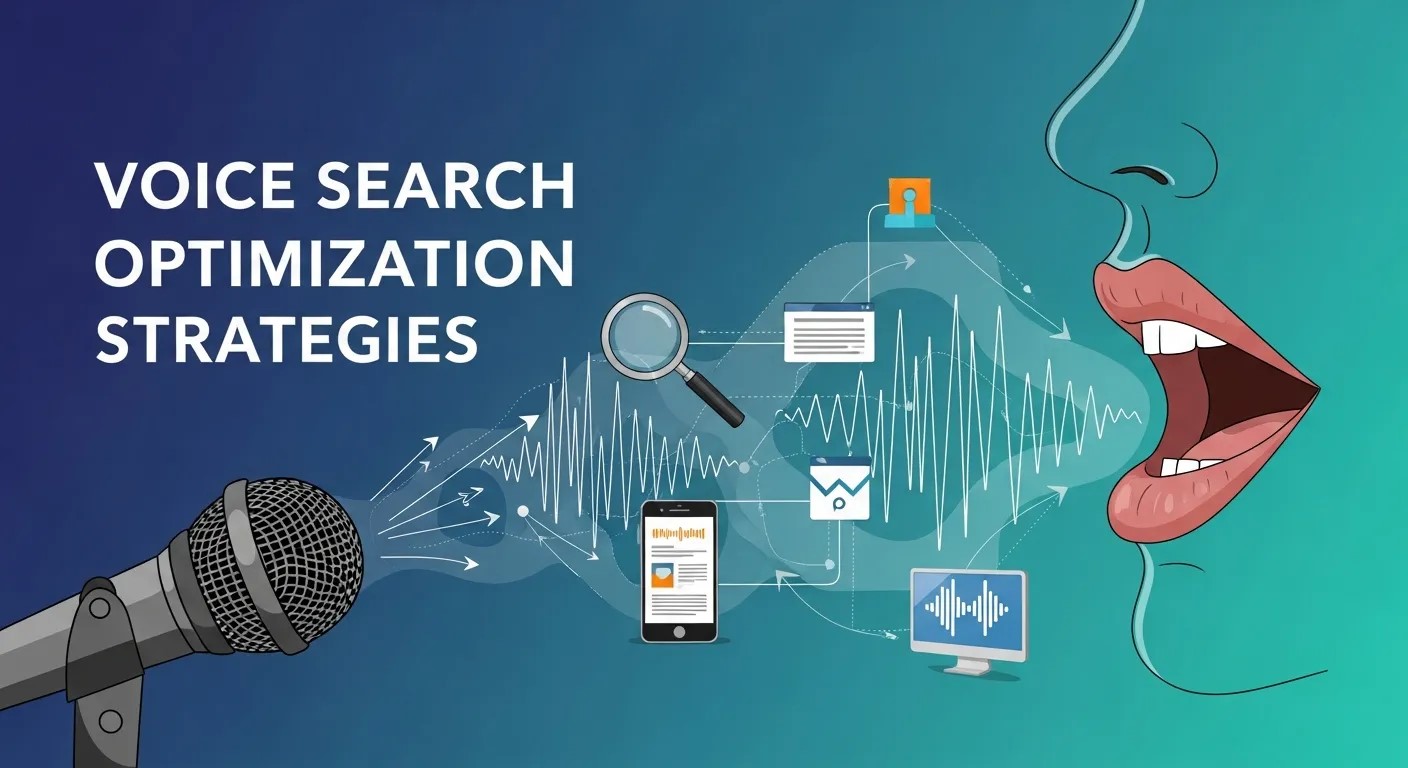
Optimizing SEM campaigns for voice queries requires a different mindset compared to traditional search engine marketing. Long-tail conversational keywords must be identified and mapped to ad groups in a way that mirrors actual speech. Instead of relying on broad, generic terms, marketers need to focus on high-intent phrases that reflect how users naturally talk.
Voice Search Optimization involves not only keyword mapping but also designing ad copy that answers user queries directly. Voice-driven search favors concise, clear responses. Ads crafted with Harnessing Voice Search in SEM in mind function as solution-oriented messages rather than generic marketing pitches. This approach builds user trust and enhances credibility.
Another strategy involves pairing SEM campaigns with contextual targeting signals. Factors such as device type, time of day, location, and user behavior all contribute to ad relevance. By combining these data points with conversational keywords, advertisers can maximize the impact of Harnessing Voice Search in SEM campaigns across multiple touchpoints.
Device Ecosystems and Smart Assistants
The modern digital ecosystem includes a wide range of devices capable of handling voice queries, from smartphones to smart speakers and wearable technology. Understanding how users interact with these devices is essential for effective SEM campaigns.
SEM For Voice Search are central to this evolution. Platforms like Google Assistant, Amazon Alexa, and Apple Siri have their own search algorithms and content presentation formats. Harnessing Voice Search in SEM requires structuring ad content and landing pages to align with each assistant’s ecosystem.
For instance, smart speakers often deliver only one or two results verbally, meaning ad placement is even more critical. By focusing on Harnessing Voice Search in SEM, marketers can optimize campaigns for contextually accurate delivery, predict user intent, and adjust schedules for maximum visibility and engagement.
Conversational Copywriting for Paid Search
Writing ad copy for voice-driven search is as much about psychology as it is about keyword placement. Users expect natural, human-sounding language when they interact with digital assistants. Ad messages that reflect this conversational tone are more likely to engage users and drive clicks.
When Harnessing Voice Search in SEM, it is vital to structure ads as answers or solutions. For example, instead of generic headlines like “Buy Coffee Here,” a more conversational approach could be “Find the Best Coffee Near You Now.” This aligns with spoken queries and triggers positive emotional responses.
Semantic relevance also plays a crucial role. Ads must connect contextually with user intent rather than relying solely on exact-match keywords. Campaigns that prioritize Harnessing Voice Search in SEM remain effective as voice search algorithms evolve, ensuring ongoing engagement and improved conversions.
Cross-Channel SEM Integration
Voice search rarely exists in isolation. Users often move across multiple channels before making a purchasing decision, including social media, display networks, and messaging platforms. Cross-Channel SEM strategies integrate voice-driven campaigns with other paid and organic touchpoints to create a cohesive customer journey.
By aligning voice campaigns with other channels, brands can reinforce messaging and maintain visibility across platforms. Harnessing Voice Search in SEM in a cross-channel context ensures better attribution, helping marketers understand how voice search interactions contribute to conversions and lifetime value.
Coordinated campaigns across multiple channels guarantee that SEM efforts are synchronized, reinforcing high-intent user engagement and maximizing the impact of voice-driven queries.
Dynamic Search Ads in Voice Environments
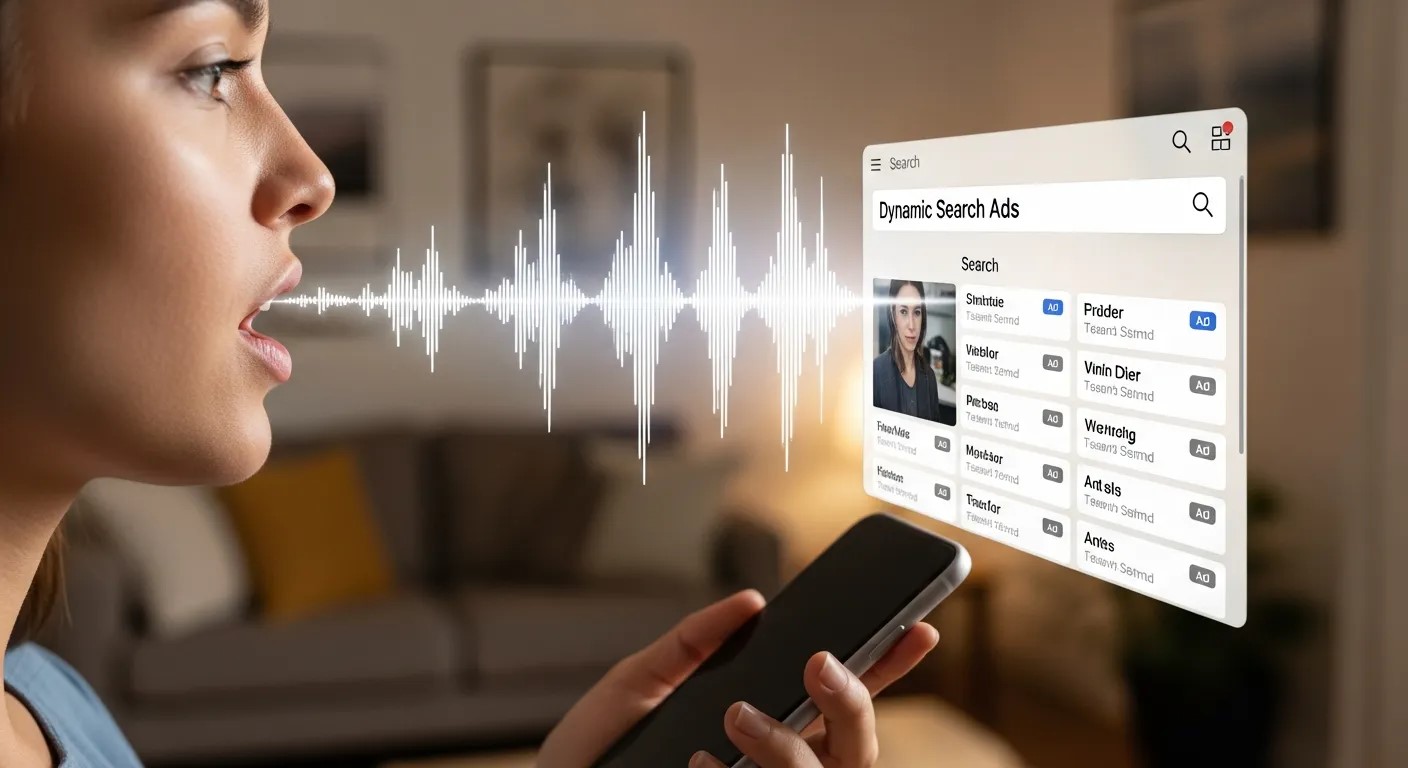
Dynamic automation is particularly useful in voice search. Dynamic Search Ads in SEM allow advertisers to automatically match ads with relevant landing pages based on real-time spoken queries. This reduces the need to manually map long-tail keywords and improves relevancy.
Harnessing Voice Search in SEM ensures that ads adapt to variations in phrasing and intent. Voice-driven searches are often unpredictable, but dynamic ads adjust automatically, increasing campaign coverage and efficiency. Properly integrated, these ads improve user engagement and conversion rates by delivering targeted, contextually accurate responses to spoken queries.
Augmented and Assisted Reality in SEM Context
Emerging technologies such as Augmented Reality in Research and Assisted Reality And Augmented Reality intersect with SEM, offering innovative ways to enhance ad experiences. Voice-driven queries could trigger AR experiences, allowing users to visualize products or services in real-time.
Harnessing Voice Search in SEM alongside AR applications adds a layer of engagement that traditional text-based ads cannot achieve. Integrating AR insights increases brand recall, improves the overall user experience, and drives higher conversion potential. Brands that adopt this approach position themselves as innovative leaders in voice-first, human-centered marketing.
Measuring Voice Driven Campaign Performance
Measuring the impact of paid search campaigns in a voice-first environment requires a new set of metrics. Traditional click-through rates and impressions do not capture the full story. By Harnessing Voice Search in SEM, marketers can analyze how conversational queries drive micro-moments and conversion paths. Metrics such as voice query engagement, follow-up actions, and assisted conversions become critical for assessing effectiveness.
High-density focus on Harnessing Voice Search in SEM ensures that campaigns are continually optimized. This includes tracking how users interact with Voice Search Optimization strategies and refining ad copy based on spoken query patterns. Understanding performance in this manner provides actionable insights for budget allocation, campaign scaling, and targeting precision, ensuring campaigns remain highly relevant in a voice-first digital landscape.
Local Targeting and Proximity-Based Ads
Location plays a crucial role in Harnessing Voice Search in SEM, especially for mobile and smart assistant queries. Users often seek nearby services, making proximity-based targeting essential. By integrating local data, campaigns can deliver timely and relevant ads that match user intent.
High keyword density in this section emphasizes how Harnessing Voice Search in SEM improves local relevance. Advertisers can combine insights from Voice Search and Smart Assistants to adjust bids based on location, time, and device type. This ensures that high-intent users receive precise, actionable responses. Properly optimized campaigns lead to better user engagement, higher trust, and improved ROI, all while maintaining natural alignment with conversational queries.
Bid Strategies for Voice Search Dominance
Optimizing bids for spoken queries is a critical component of Harnessing Voice Search in SEM. Voice-driven searches often indicate higher purchase intent, making it essential to allocate budget to moments when users are ready to act. Using smart bidding strategies, advertisers can maximize visibility and conversion potential.
Integrating Cross-Channel SEM insights allows campaigns to align bids across multiple platforms, ensuring that voice-driven traffic receives priority attention. Emphasizing Harnessing Voice Search in SEM with strategic budget distribution strengthens ad performance. Advertisers benefit from data-driven adjustments that optimize for time, location, device, and query intent, creating a dynamic, high-performing SEM ecosystem.
Semantic Targeting and Query Intent Clusters

One of the most effective ways to scale Harnessing Voice Search in SEM is through semantic targeting. Spoken queries provide rich context, and grouping them into intent-based clusters allows advertisers to match ads with conversational patterns naturally.
By analyzing natural language queries and integrating Voice Search Optimization, campaigns can predict user needs and deliver precise responses. Harnessing Voice Search in SEM ensures that ads appear at critical decision points, increasing engagement and conversion probability. Semantic targeting also complements Dynamic Search Ads in SEM, allowing automation to serve highly relevant ads without excessive manual keyword mapping.
Content Alignment and Landing Page Strategy
Aligning landing pages with voice-driven queries is vital for Harnessing Voice Search in SEM. When users speak, they expect concise, clear, and actionable information. Pages that reflect the conversational tone of queries improve user trust and satisfaction.
Integrating Assisted Reality And Augmented Reality or Augmented Reality in Research elements into landing pages can enhance engagement for tech-forward audiences. By tailoring content to the context of spoken queries, campaigns that focus on Harnessing Voice Search in SEM experience higher conversion rates. Landing page optimization also reinforces ad relevance, strengthening Quality Score and reducing wasted spend.
Automation and AI in Voice Search SEM
Automation tools and AI are essential for Harnessing Voice Search in SEM at scale. Machine learning can analyze patterns from Voice Search and Smart Assistants, predict user intent, and adjust bids, keywords, and ad placement in real time.
Using AI-driven insights, advertisers can refine campaigns continuously while maintaining high-density focus on Harnessing Voice Search in SEM. This reduces manual effort, improves relevancy, and captures a larger share of high-intent voice traffic. Automation also supports Cross-Channel SEM, allowing synchronized optimization across platforms for consistent messaging and performance improvement.
Preparing for the Future of Voice-First SEM
The evolution of search toward voice-first interactions underscores the importance of Harnessing Voice Search in SEM. Brands that integrate voice optimization, semantic targeting, and AI-driven adjustments are better positioned to capture early adopters and high-intent audiences.
Forward-thinking campaigns leverage Voice Search Optimization, Dynamic Search Ads in SEM, and immersive experiences like Augmented Reality in Research to remain relevant. By focusing on Harnessing Voice Search in SEM, advertisers can ensure that their campaigns evolve alongside changing user behavior, maintaining visibility, engagement, and conversion potential in a rapidly expanding voice-driven digital ecosystem.
AI and Machine Learning in Voice-First SEM

Artificial intelligence and machine learning are transforming the way marketers approach search campaigns. When Harnessing Voice Search in SEM, AI tools analyze conversational queries from Voice Search and Smart Assistants, predict user intent, and optimize ad placement in real time. This enables campaigns to serve highly relevant ads at precisely the right moment, improving engagement and conversion rates.
Machine learning can also help refine Voice Search Optimization by identifying emerging query trends and adjusting keyword clusters dynamically. By integrating AI with Cross-Channel SEM, advertisers ensure voice-driven campaigns are synchronized across multiple platforms, delivering a seamless experience for users.
Additionally, AI-powered insights allow marketers to adjust bidding strategies, tailor ad copy, and optimize landing pages to match spoken queries. Incorporating these technologies into Harnessing Voice Search in SEM not only improves performance but also prepares brands for the future of voice-first paid search marketing.




Leave a Reply