

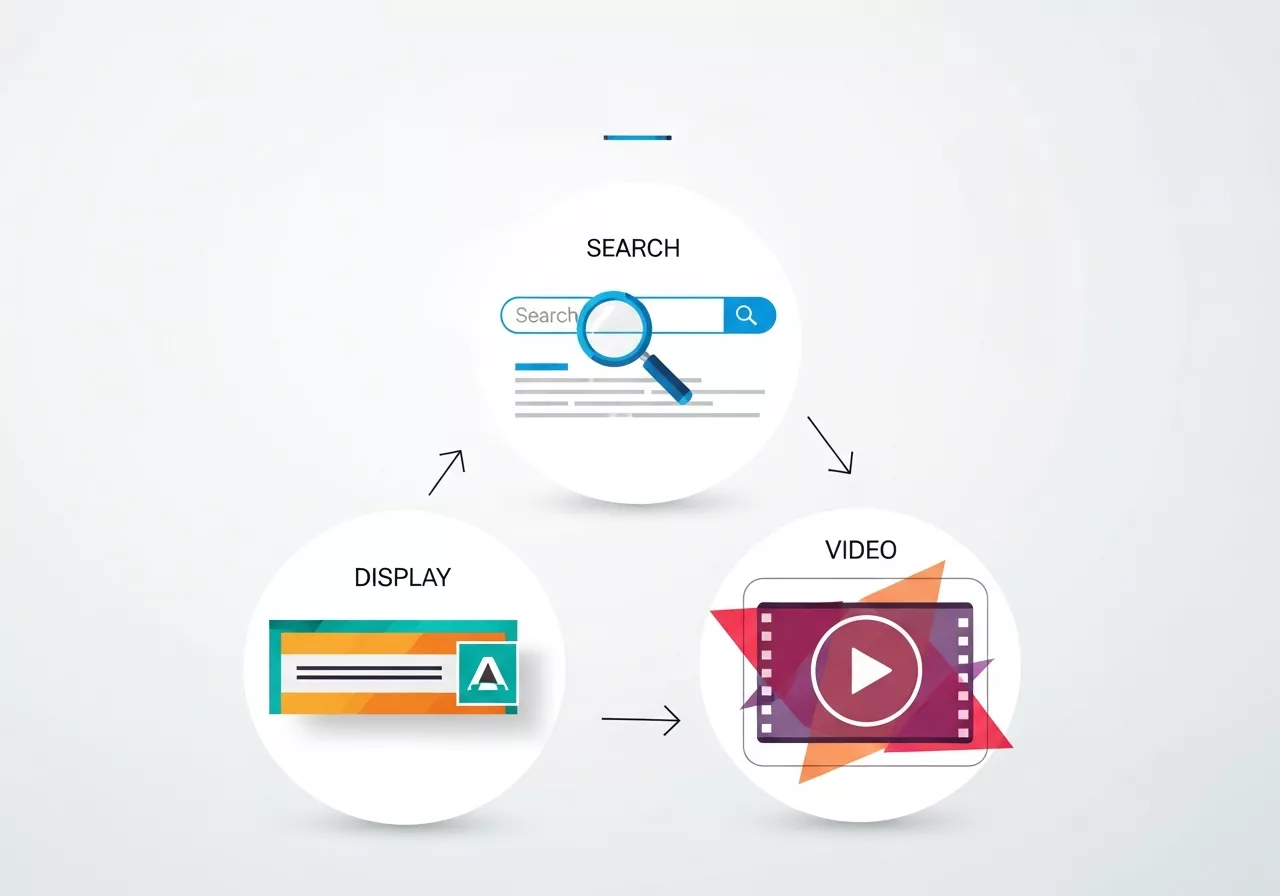
Cross-channel SEM integrates search, display, and video ads to engage audiences throughout the customer journey. By unifying targeting, creative, and measurement, brands boost reach, conversions, and ROI while optimizing budget efficiency, brand consistency, and long-term growth.
In today’s competitive digital landscape, relying solely on search advertising limits your brand’s reach and growth potential. Cross-channel SEM offers a holistic approach that connects search, display, and video campaigns to engage audiences at every stage of the customer journey. In this comprehensive guide, we’ll explore the benefits, strategies, and best practices for building an integrated SEM strategy that maximizes ROI and drives sustainable growth.
What is Cross-Channel SEM?
Cross-channel SEM refers to the coordinated use of multiple paid search and display channels to deliver a consistent brand message and drive conversions. Instead of isolating search ads from display banners or video placements, marketers align campaign objectives across platforms such as Google Ads Search, Display Network, YouTube, and programmatic partners. This unified approach helps maintain audience engagement as prospects move from initial awareness through consideration and finally to purchase. By integrating targeting, bidding, and creative, cross-channel SEM amplifies campaign impact and increases overall return on ad spend.
Key Benefits of a Cross-Channel SEM Approach
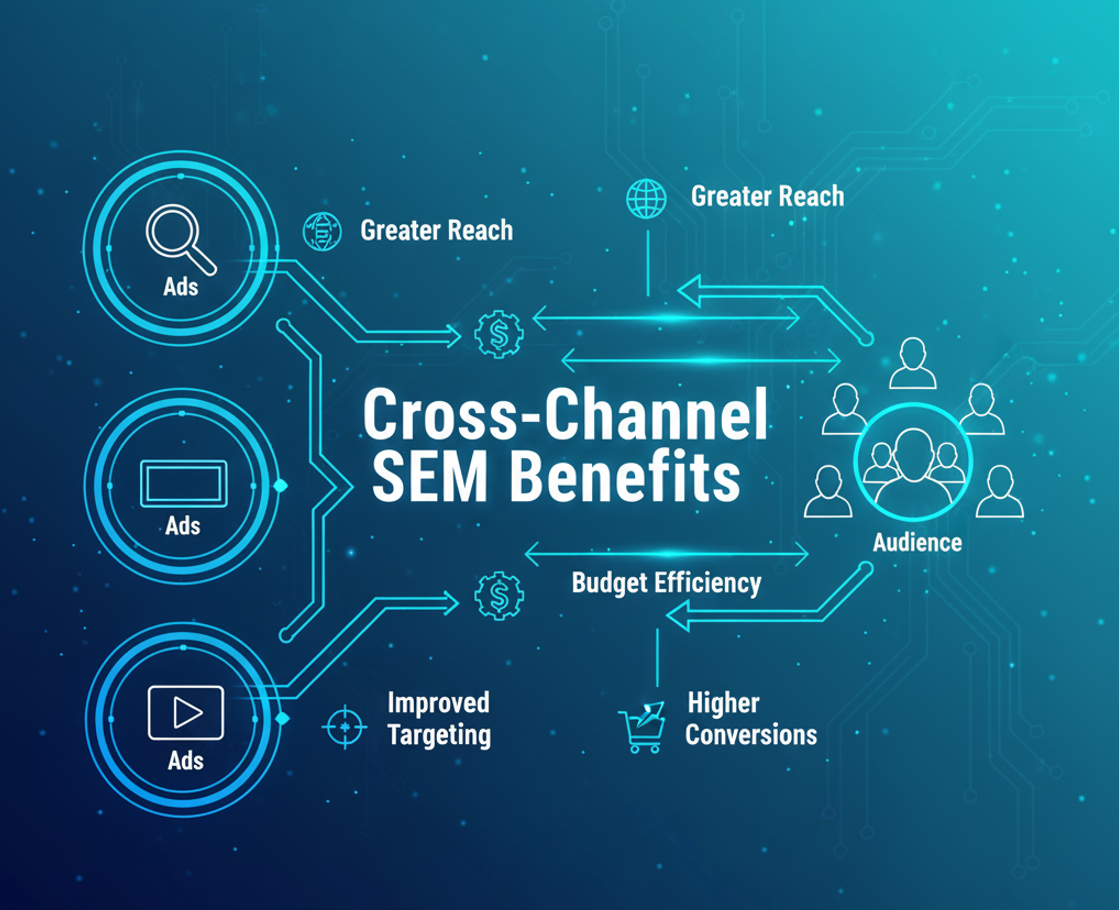
- Greater Reach and Frequency: Deploying ads across search, display, and video networks expands potential audience touchpoints while reinforcing brand recall through repeated exposures.
- Improved Audience Targeting: Data from one channel can inform targeting strategies on another. For example, search query insights can guide display remarketing lists for highly relevant follow-up messaging.
- Higher Conversion Rates: Cross-channel campaigns guide users through a seamless journey. An interactive video can spark interest, display ads sustain engagement, and search ads capture high intent moments.
- Better Budget Efficiency: Combining insights and budgets across channels allows for dynamic allocation toward top-performing platforms and ad formats based on real-time performance data.
Core Components: Search Ads, Display Ads, and Video Ads
Search Ads
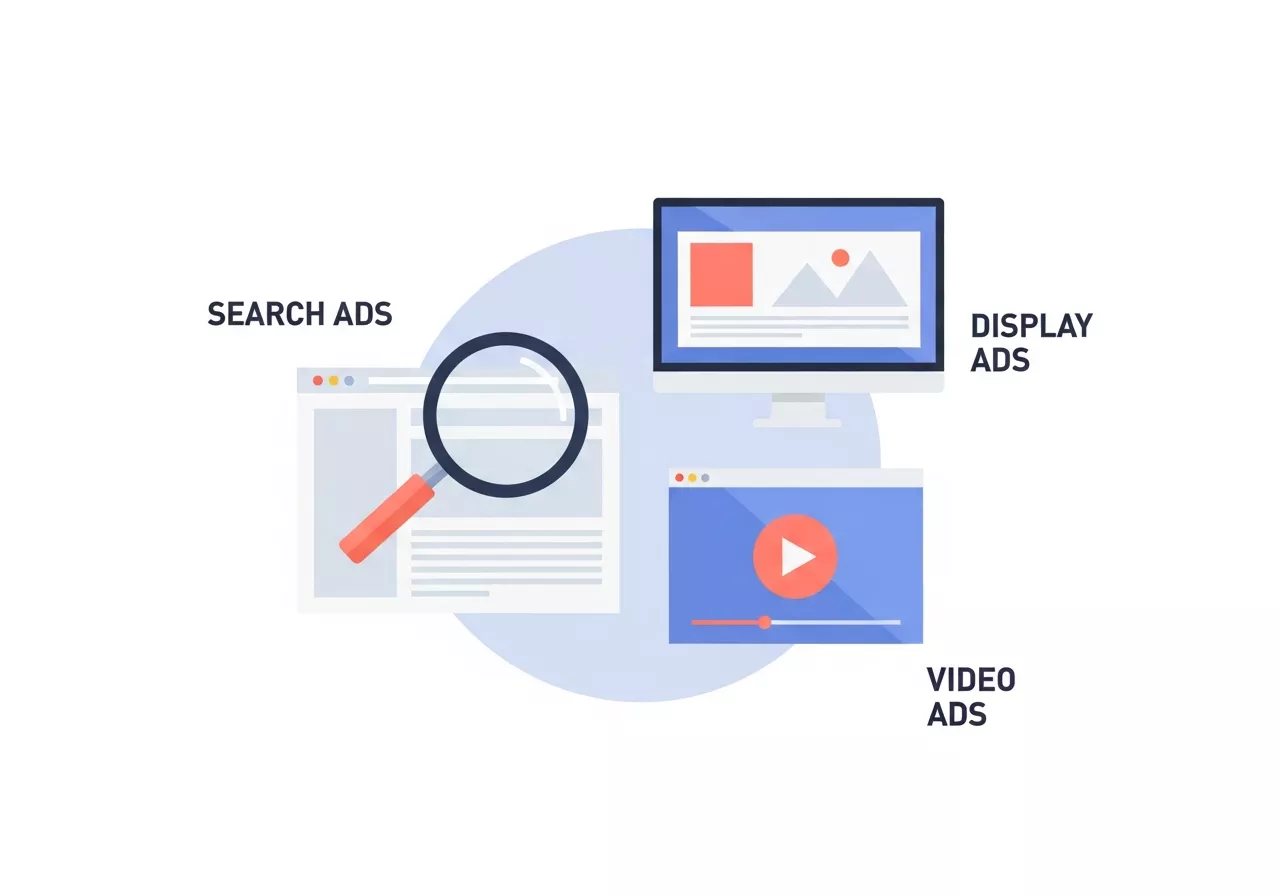
Search ads remain the cornerstone of SEM by capturing users actively seeking products or services. Effective search campaigns rely on thorough keyword research, structured ad groups, compelling ad copy, and optimized landing pages. With cross-channel integration, search performance data, such as top converting keywords, can feed into display and video audience definitions, ensuring consistent messaging for high intent segments.
Display Ads
Display advertising brings visual storytelling to the SEM mix. Banner ads and interactive creatives across the Google Display Network and programmatic platforms help build awareness and remarket existing visitors. Key tactics include custom audience lists, contextual targeting, and responsive display ads that adapt to various placements for maximum visibility and impact.
Video Ads
Video ads on YouTube and partner sites engage audiences through dynamic content that can demonstrate products, share testimonials, or tell a brand story. Skippable and non-skippable in-stream ads, bumper ads, and outstream formats enable marketers to capture attention at different stages. Integrating video data, such as watch time and click-through rates, helps refine search and display retargeting tactics.
Advanced Targeting Techniques for Cross-Channel SEM
To maximize ROI, cross-channel SEM campaigns require advanced targeting strategies that go beyond basic demographics. Effective targeting ensures your ads reach the right audience at the right time and increases the likelihood of conversion.
Key Targeting Approaches:
- Behavioral Targeting: Leverage user browsing history, interactions, and purchase behavior to deliver relevant ads across channels.
- Interest-Based Targeting: Display ads and videos to users based on their expressed interests, hobbies, or lifestyle preferences.
- Custom Intent Audiences: Use search query data to identify users actively looking for products or services like yours and retarget them across display and video networks.
- Geotargeting and Localized Ads: Reach audiences in specific locations or regions, ideal for local promotions or location-specific campaigns.
- Device and Platform Targeting: Optimize campaigns based on device type, OS, and platform usage to ensure ads appear where users are most engaged.
Table: Cross-Channel Targeting Options and Benefits
| Targeting Type | Channel Focus | Benefits |
|---|---|---|
| Behavioral | Search, Display | Increased relevance, higher CTR |
| Interest-Based | Display, Video | Engages users aligned with brand preferences |
| Custom Intent Audiences | Search, Display | Captures high-intent prospects |
| Geotargeting | All Channels | Drives foot traffic, local sales boost |
| Device/Platform | Search, Video | Optimized ad delivery for better performance |
Building an Integrated SEM Strategy

- Set Unified Campaign Goals: Define clear objectives that span channels such as brand awareness, lead generation, and e-commerce conversions, to ensure alignment of KPIs.
- Conduct Holistic Audience Research: Map out user personas and customer journey stages to select appropriate targeting options and creative approaches across each channel.
- Develop Consistent Messaging: Create a cohesive value proposition and visual identity that resonates from search ads to display banners and video scripts.
- Design a Cross-Channel Funnel: Allocate budget and placements to guide users smoothly from initial ad exposure to final conversion with remarketing and sequential messaging.
- Implement Unified Tracking: Use a single analytics framework or tag management solution for consistent data capture and channel attribution across search, display, and video campaigns.
Creative Strategies for Cross-Channel SEM
Creativity is a critical factor in capturing attention across search, display, and video campaigns. A strong creative strategy ensures that your messaging is consistent, visually appealing, and resonates with your audience.
Essential Creative Strategies:
- Unified Brand Messaging: Maintain consistent taglines, brand voice, and value propositions across all channels to reinforce recognition.
- Sequential Storytelling: Craft a narrative that flows across channels—for example, introduce a product with a video, provide more information with a display ad, and capture conversions via search ads.
- Interactive Display Ads: Use rich media formats like expandable banners, polls, or interactive carousels to engage users and increase dwell time.
- Video Storytelling: Leverage short, compelling video content that communicates your brand story and evokes emotional responses. Consider using user-generated content or testimonials for authenticity.
- Dynamic Creatives: Implement creative variations that automatically adjust images, text, or offers based on audience segments or behavior.
Tips for Creative Execution:
- Optimize visuals for each channel (e.g., vertical video for YouTube Shorts, banners for Google Display).
- Test multiple messaging approaches with A/B testing to find the most effective creatives.
- Use a consistent color palette, typography, and imagery style to reinforce brand identity.
Optimizing Cross-Channel SEM for Long-Term Growth
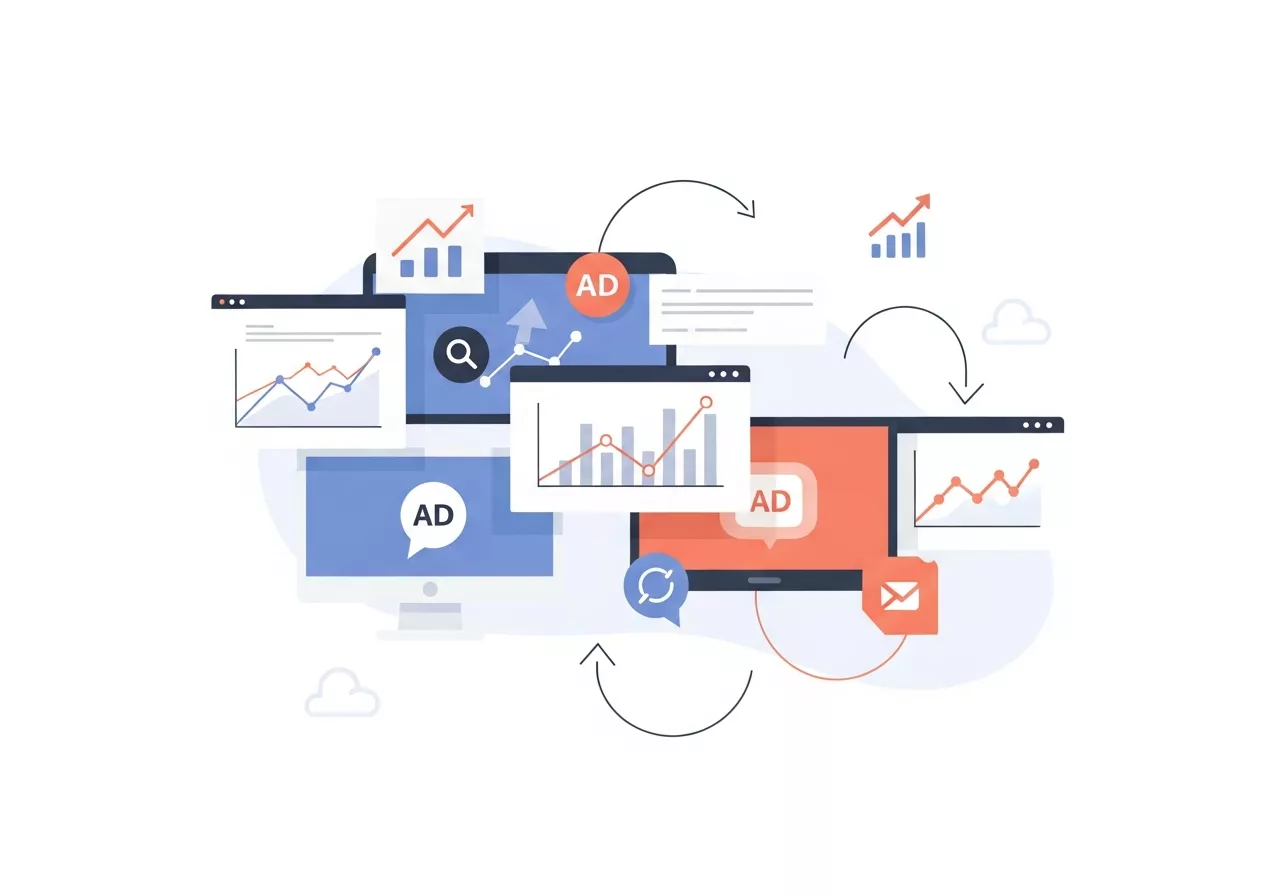
Optimization is essential for sustaining the performance of cross-channel SEM campaigns. Continuous analysis and iteration allow marketers to refine messaging, improve efficiency, and maintain a competitive advantage.
Optimization Techniques:
- Performance Analysis Across Channels: Compare metrics such as CTR, view-through conversions, and CPA to determine which channel combinations deliver the best ROI.
- A/B Testing: Test variations of ad creatives, landing pages, and calls to action to identify the most effective elements.
- Sequential Messaging: Implement ad sequences that guide users through the buyer journey—from awareness to consideration to conversion.
- Budget Reallocation: Shift budget toward high-performing campaigns or formats while reducing spend on underperforming segments.
- Cross-Channel Attribution: Use multi-touch attribution models to understand the contribution of each touchpoint in driving conversions.
Points to Monitor for Long-Term Success:
- Conversion rate trends by channel
- Incremental lift and audience engagement
- Cost per acquisition and ROI per campaign
- Brand recall and customer retention metrics
By systematically applying these optimization techniques, brands can maximize the benefits of cross-channel SEM, ensuring campaigns are not only effective in the short term but scalable for long-term growth.
Implementation Tips for Cross-Channel Campaigns
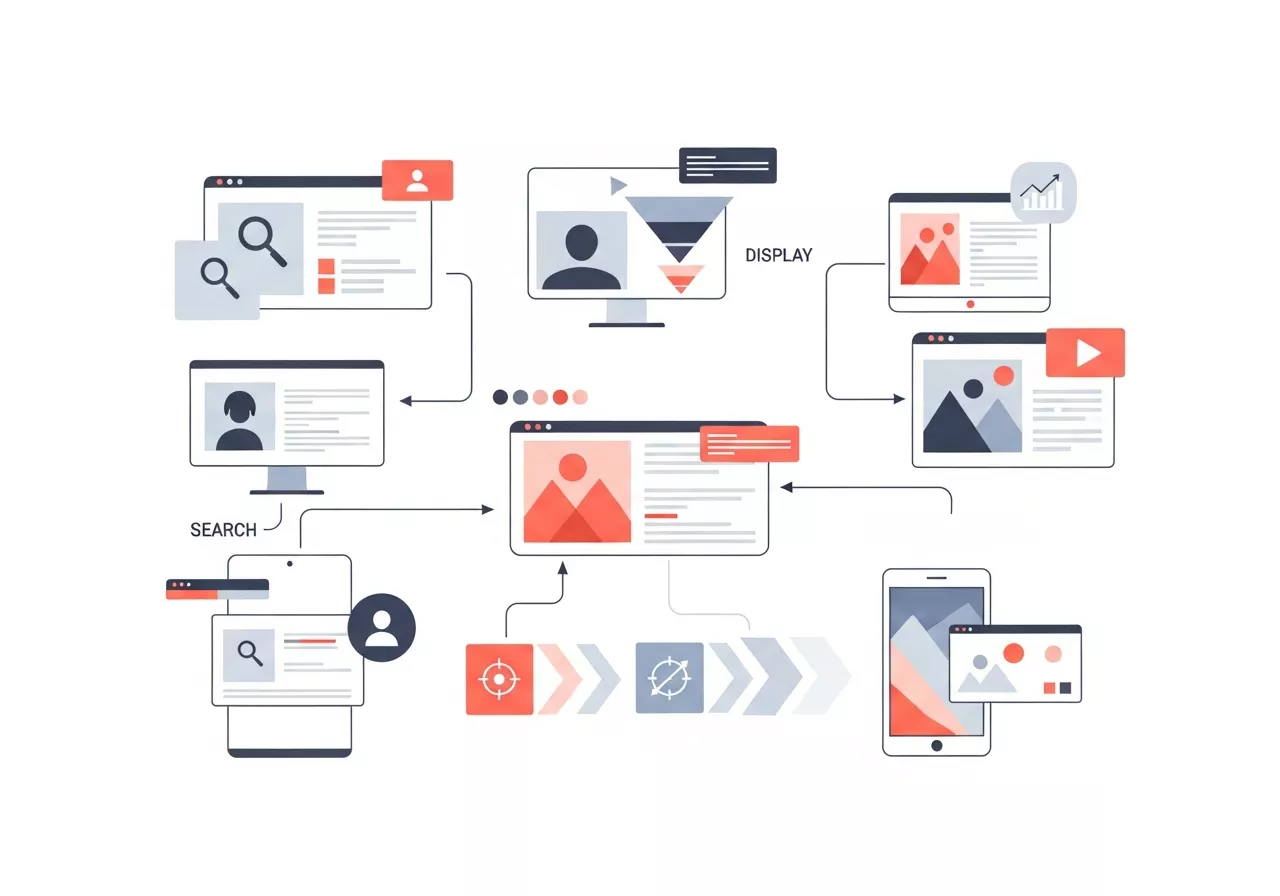
Successfully executing a cross-channel SEM campaign requires more than simply running ads across multiple platforms—it demands strategic planning, integration, and continuous optimization. The following tips provide actionable guidance to ensure your campaigns are effective, cohesive, and deliver maximum ROI.
1. Leverage Audience Segmentation
Understanding your audience is the foundation of effective cross-channel SEM. Segmenting audiences based on behavior, demographics, and intent allows you to deliver highly relevant messaging.
- Custom Intent Audiences: Create segments based on search queries, website behavior, or past interactions. For example, users searching for “best running shoes” can be targeted with display ads featuring your top-selling athletic footwear.
- Remarketing Lists: Retarget users who visited specific product pages but did not convert. Show tailored ads highlighting limited-time offers or product benefits.
- Lookalike Audiences: Use existing customer data to find similar users on display and video networks, expanding reach without sacrificing relevance.
2. Optimize Creative Sequencing
Delivering your ads in a logical, sequential order ensures your audience receives the right message at the right stage of the funnel.
- Top-of-Funnel (Awareness): Use video ads to introduce your brand, tell your story, and build emotional connections. Platforms like YouTube or connected TV are ideal.
- Middle-of-Funnel (Consideration): Display ads can reinforce messaging, highlight product features, and present testimonials or social proof. Interactive creatives increase engagement.
- Bottom-of-Funnel (Conversion): Search ads capture high-intent users actively looking to purchase. Include clear CTAs and personalized messaging based on previous interactions.
3. Use Dynamic Creative
Dynamic creative allows ads to automatically adjust elements such as headlines, images, and CTAs based on performance data, user behavior, or audience segments.
- Benefits: Ensures that the most relevant combination of creative elements is shown to each user, improving engagement and conversions.
- Example: A fashion retailer could dynamically show winter coats to users in colder regions while displaying summer dresses to users in warmer climates.
4. Maintain Brand Consistency
Consistency across all channels builds trust, brand recognition, and recall. Your audience should instantly recognize your ads, whether they see a search ad, display banner, or video.
-
Tips:
-
Use the same brand colors, fonts, and logos across all channels.
-
Align messaging and tone of voice in copy and creative elements.
-
Ensure imagery and product representation match your brand story.
-
5. Test Bidding Strategies
Cross-channel campaigns allow you to experiment with multiple bidding strategies to find the most cost-efficient method for each stage of the funnel.
- Manual CPC (Cost-Per-Click): Offers control over individual keyword bids in search campaigns. Good for testing high-value queries.
- Target CPA (Cost-Per-Acquisition): Optimizes bids automatically to achieve your desired cost per conversion across channels.
- Target ROAS (Return on Ad Spend): Adjusts bids to maximize revenue relative to spend, ideal for e-commerce campaigns.
6. Additional Tips for Effective Implementation:
- Monitor Cross-Channel Metrics: Track performance holistically, not just by individual channel, to understand overall ROI and audience behavior.
- Use Sequential Retargeting: Avoid showing the same ad repeatedly; guide users with a story or value proposition that evolves across channels.
- Test Ad Variations Frequently: Rotate visuals, copy, and offers to combat ad fatigue and maintain engagement.
- Integrate Analytics Tools: Platforms like Google Analytics 4 or Adobe Analytics allow you to measure multi-channel touchpoints and attribution accurately.
Tracking, Attribution, and Measuring Success
Accurate measurement is vital for understanding the impact of cross-channel SEM. Implement Google Analytics or equivalent platforms to enable data-driven attribution models that credit touchpoints across search, display, and video. Use cross-channel funnel reports to visualize customer journeys and identify drop-off points. Regularly review metrics such as click-through rate, view-through conversions, cost per acquisition, and incremental lift to optimize budget distribution and creative performance.
Addressing Common Challenges
- Siloed Campaigns and Teams: Break down internal barriers by establishing a unified SEM team or cross-functional working group with shared metrics and reporting dashboards.
- Data Fragmentation: Implement centralized tagging and reporting to ensure consistent data collection and reduce discrepancies between platforms.
- Budget Constraints: Start with a test budget to validate channel performance, then scale investment toward the highest performing combinations of search, display, and video.
- Creative Resource Limitations: Develop modular ad templates that can be adapted quickly for different formats and sizes without a heavy design overhead.
Case Study: E-commerce Brand Boosts ROI with Cross-Channel SEM
Acme Apparel, an online clothing retailer, faced stagnant growth after relying solely on search ads. By adopting a cross-channel SEM strategy, they launched a product launch video series on YouTube to drive awareness, followed by display ads promoting limited-time offers to site visitors. Simultaneously, search campaigns targeted high-intent keywords with tailored ad copy. Within three months, Acme Apparel saw a 30 percent increase in conversions and a 25 percent reduction in cost per acquisition compared to single-channel search campaigns. This integrated approach fostered stronger brand recall and more efficient budget utilization.
Conclusion
Cross-channel SEM represents the future of paid search marketing by uniting search, display, and video efforts into a cohesive growth engine. By aligning goals, audiences, messaging, and measurement, brands can guide prospects seamlessly from initial awareness to final purchase while maximizing return on ad spend. Start building your integrated SEM strategy today to unlock new opportunities, deepen customer engagement, and achieve sustainable performance across all digital touchpoints.
FAQ: Cross-Channel SEM
1. What is cross-channel SEM?
Cross-channel SEM is the coordinated use of multiple paid advertising channels—including search, display, and video—to deliver a unified message and engage audiences throughout the customer journey.
2. Why is cross-channel SEM important?
It increases brand reach, improves audience targeting, and guides potential customers through a seamless funnel. By integrating data and campaigns across channels, marketers can boost ROI and maximize conversions.
3. How does cross-channel SEM differ from traditional SEM?
Traditional SEM focuses primarily on search advertising, targeting users actively looking for products or services. Cross-channel SEM integrates search, display, and video campaigns, creating a consistent and multi-touchpoint user experience.
4. Which channels are included in cross-channel SEM?
Typically, it includes:
-
Search Ads: Google, Bing, and other search engines.
-
Display Ads: Google Display Network, programmatic networks, and banner placements.
-
Video Ads: YouTube, OTT platforms, and partner video networks.
5. How can I measure the success of a cross-channel SEM campaign?
Use metrics such as:
-
Click-through rates (CTR) across all channels
-
Conversion rates and cost per acquisition (CPA)
-
View-through conversions for display and video ads
-
Incremental lift and ROI
6. What are common challenges in cross-channel SEM?
-
Siloed campaigns or teams
-
Data fragmentation across platforms
-
Budget allocation inefficiencies
-
Limited creative resources for multiple formats
7. How can I maintain brand consistency across channels?
Use consistent colors, fonts, visuals, and messaging across all ad formats. Align campaign objectives and storytelling to ensure users recognize your brand on every touchpoint.
8. Should I start with all channels at once?
Not necessarily. Test with a smaller budget across select channels to identify top-performing combinations. Scale campaigns gradually while maintaining optimization and alignment.
9. Can small businesses benefit from cross-channel SEM?
Absolutely. Even small businesses can leverage cross-channel campaigns by focusing on high-intent search keywords, retargeting website visitors, and creating cost-effective display/video ads tailored to their audience.
10. What tools help manage cross-channel SEM effectively?
Tools like Google Ads, Google Analytics, Google Tag Manager, and programmatic platforms help integrate campaigns, measure attribution, and optimize performance across channels.
Learn more about: The Future of SEM: AI, Automation, and Why Human Touch Still Matters



Leave a Reply