


Effective SEM campaigns optimization, combined with voice search strategies and emerging technologies, enhances engagement, boosts conversions, and ensures consistent cross-channel performance for modern, data-driven digital marketing.
Understanding the Rise of Voice Search
Voice technology has fundamentally altered the way users interact with search engines. No longer do people type long queries; instead, they speak naturally into their devices, expecting immediate and relevant responses. This behavioral shift demands that marketers adopt voice search optimization practices. By understanding conversational queries and context, brands can position themselves strategically in voice-activated search results.
According to recent studies, over 55% of households are expected to use voice assistants regularly by 2026. This growing trend makes it crucial to adjust traditional SEM approaches and focus on capturing the voice-driven audience segment. Voice search and smart assistants such as Alexa, Siri, and Google Assistant now dominate how information is accessed, making SEM campaigns optimization essential for competitive relevance.
Key Principles of SEM Campaigns Optimization

Optimizing SEM campaigns for voice search involves several layers of strategy:
Keyword Strategy Adaptation
Unlike traditional typed searches, voice queries are conversational and longer. Instead of targeting generic short-tail keywords, it’s important to identify long-tail phrases and question-based queries. For instance, a user may ask, “Which SEM strategies increase online sales for small businesses?” Integrating such natural language into your campaign can significantly enhance targeting efficiency.
Here, a well-structured keyword research plan should incorporate primary keywords like SEM campaigns optimization, alongside supporting terms like cross-channel SEM. By doing this, your campaigns align with both search intent and search engine algorithms.
Conversational Content Alignment
Content needs to reflect how people speak rather than how they type. Phrases like “how to optimize SEM campaigns” or “best practices for voice search marketing” mirror actual user intent. Developing content around such queries not only improves rankings but also enhances engagement rates, as the content resonates with natural communication patterns.
Structured Data and Rich Snippets
Search engines favor structured data, which helps machines understand your content context. Using schema markup can improve the likelihood of appearing in rich results for voice queries. For instance, tables summarizing SEM performance metrics, optimization strategies, or conversion rates can be easily interpreted by voice assistants, making them more likely to relay this information to users.
| Metric | Before Optimization | After Optimization |
|---|---|---|
| Click-Through Rate (CTR) | 2.5% | 4.7% |
| Conversion Rate | 1.8% | 3.9% |
| Cost Per Acquisition | $12.50 | $8.70 |
This table demonstrates the measurable impact of a well-optimized campaign and helps marketers understand the importance of SEM campaigns optimization in voice search environments.
Mobile-First and Local Targeting
Voice searches are predominantly mobile, often conducted on-the-go. Hence, campaigns must be mobile-optimized, with fast-loading landing pages and clear calls-to-action. Additionally, local search integration is critical; users frequently ask their voice assistants for nearby services or products. This opens an opportunity to leverage voice search and smart assistants for local business visibility.
Cross-Channel SEM Integration
Maximizing the effectiveness of SEM campaigns requires an integrated approach across multiple channels. Cross-channel SEM strategies involve syncing paid search efforts with social ads, display networks, and retargeting campaigns. By maintaining consistent messaging and targeting across platforms, brands can create a holistic experience for potential customers and capture voice search traffic more effectively.
Leveraging AI and Automation in SEM

Artificial intelligence has revolutionized how SEM campaigns are managed. AI-driven tools analyze vast amounts of data, optimize bids, and predict trends with unparalleled accuracy. Automation allows marketers to focus on strategic decisions while ensuring that campaigns are constantly tuned for peak performance. Integrating AI-driven insights with voice search optimization ensures campaigns are not only efficient but also adaptive to evolving user behavior.
AI-Powered Bid Management
Optimizing bids based on predictive models can drastically improve campaign ROI. Voice queries often indicate higher purchase intent, allowing advertisers to prioritize high-value leads. By combining AI analysis with keyword insights, marketers can make informed decisions about budget allocation across devices, regions, and search contexts.
Adaptive Messaging and Personalization
Voice search queries are context-rich and often location-specific. Personalizing ad messaging based on user data, preferences, and interaction history can significantly increase engagement. This approach aligns with human psychology principles, as personalized experiences are proven to foster trust and drive action.
Incorporating Emerging Technologies
While SEM is traditionally search-focused, emerging technologies like augmented reality and assisted reality are opening new possibilities. Tools like revolutionary AR devices can enhance product demos, while assisted reality and augmented reality experiences integrate digital content into physical environments. By connecting SEM campaigns with immersive experiences, brands can create multi-sensory engagement that supports voice-driven queries.
For instance, a user asking, “Show me the latest AR-enabled gadgets near me,” can be directed to interactive AR previews via optimized SEM ads, blending voice search with cutting-edge technology.
Tracking and Measuring Voice Search Impact
To ensure ongoing success, marketers must track how voice search influences campaign performance. Traditional metrics such as impressions, clicks, and conversions remain relevant, but additional voice-specific KPIs are emerging:
-
Voice Query Conversion Rate: Percentage of voice searches leading to desired actions.
-
Smart Assistant Engagement: Interaction frequency with voice-enabled devices.
-
Contextual Clicks: How often users click through from voice results to your landing pages.
By continuously monitoring these metrics, businesses can refine their approach and maintain high performance in voice-dominated search environments.
Content Structuring for Voice Queries
Voice searches favor succinct, conversational answers. Structuring content with FAQ sections, bulleted lists, and short paragraphs increases the likelihood of being chosen by voice assistants. For example:
-
“What is SEM campaigns optimization?”
-
“How does voice search impact SEM performance?”
-
“Best practices for cross-channel SEM integration.”
Such formatting makes it easier for voice assistants to extract and relay relevant information, boosting visibility and engagement.
Semantic Keyword Integration
Natural language processing has made semantic keyword placement crucial. Phrases like harnessing voice search in SEM can be smoothly integrated into paragraph content without appearing forced. Strategically spreading these keywords across headings, subheadings, and body copy enhances search engine understanding while maintaining readability.
Common Challenges in Voice-Driven SEM

Despite its advantages, voice search introduces unique challenges:
-
Ambiguity in Queries: Voice commands can be vague, requiring advanced interpretation.
-
Device Variability: Results differ across smart speakers, smartphones, and AR devices.
-
Competition for Featured Snippets: Voice assistants often pull from top-ranking snippets, making positioning critical.
Addressing these challenges requires a combination of SEM campaigns optimization, content refinement, and technological integration.
Advanced Strategies for Competitive Edge
For businesses seeking a competitive edge, the following strategies are key:
-
Local Schema Markup: Ensure that local business information is structured for voice assistants.
-
Conversational Ads: Create ad copy that mirrors natural speech patterns.
-
Interactive Media Integration: Combine AR visuals and multimedia to engage voice users.
These strategies not only enhance visibility but also align with human behavior, improving the likelihood of conversion.
The Role of User Intent in SEM Campaigns Optimization
Understanding user intent is the foundation of effective SEM campaigns optimization. Users interacting via search engines, especially through voice search and smart assistants, often phrase their queries in natural, conversational language. Recognizing these patterns allows marketers to tailor ad copy, landing pages, and content that directly address user needs. For instance, instead of generic keywords, campaigns optimized for voice search focus on long-tail, question-based phrases that mirror real user intent. Integrating these insights with broader cross-channel SEM strategies ensures consistent messaging across multiple platforms. Additionally, analyzing past query data and behavioral trends helps identify which search patterns convert best. Brands that successfully interpret intent can prioritize high-value keywords and refine bidding strategies, resulting in higher engagement and conversions. By emphasizing context and user expectations, marketers create campaigns that feel intuitive, enhancing both trust and the likelihood of action. Ultimately, understanding intent is central to any comprehensive SEM campaigns optimization strategy.
Leveraging Natural Language Processing
Natural Language Processing (NLP) is a game-changer for SEM campaigns optimization in the voice search era. NLP enables marketers to analyze conversational queries, understand context, and identify the intent behind each search. Voice assistants like Siri or Alexa rely heavily on NLP to deliver precise results, making it crucial for brands to align their campaigns accordingly. Integrating NLP insights allows marketers to predict user behavior, adjust ad copy, and structure content that resonates with natural speech patterns. Combining NLP with voice search optimization ensures that both long-tail and question-based queries are accurately targeted. Furthermore, analyzing semantic relationships between keywords, such as harnessing voice search in SEM, helps in creating content that satisfies both search engines and users. This approach not only improves visibility but also strengthens the performance of SEM campaigns optimization, delivering measurable growth in click-through and conversion rates across platforms.
Optimizing Landing Pages for Voice Traffic
A successful SEM campaigns optimization strategy extends beyond ad copy to landing page design. Voice-driven users expect immediate, clear, and relevant answers. Optimizing landing pages involves fast load times, concise content, and intuitive navigation. Incorporating natural conversational phrases that match voice search and smart assistants queries increases the likelihood of conversion. For example, FAQs addressing “how-to” questions directly on the landing page can improve relevance. Aligning landing page content with broader cross-channel SEM campaigns ensures consistent messaging across search, social, and display networks. Additionally, structured data and schema markup enhance the chances of appearing in rich snippets, a crucial factor for voice search visibility. By continually analyzing performance metrics and user behavior, marketers can refine content to meet evolving voice search patterns. Ultimately, landing pages that reflect natural language and context significantly amplify the effectiveness of SEM campaigns optimization, driving higher engagement and ROI.
The Impact of Device Diversity on SEM
Voice search occurs across multiple devices, including smartphones, smart speakers, and revolutionary AR devices. Understanding these device-specific behaviors is critical for SEM campaigns optimization. User intent may vary depending on the platform; for instance, queries on mobile often seek quick answers, while smart speaker searches may focus on local services. Marketers must adapt their keyword strategy, ad formats, and content presentation accordingly. Incorporating assisted reality and augmented reality experiences into campaigns can provide interactive engagement, bridging the gap between digital and physical interactions. Device-specific tracking also allows marketers to identify which platforms yield the highest conversion rates, enabling better allocation of resources. Furthermore, analyzing cross-device behavior ensures that cross-channel SEM strategies remain cohesive and effective. By tailoring campaigns to the nuances of each device, businesses can maximize reach and engagement, reinforcing the value of comprehensive SEM campaigns optimization.
Integrating Visual Search with Voice Queries
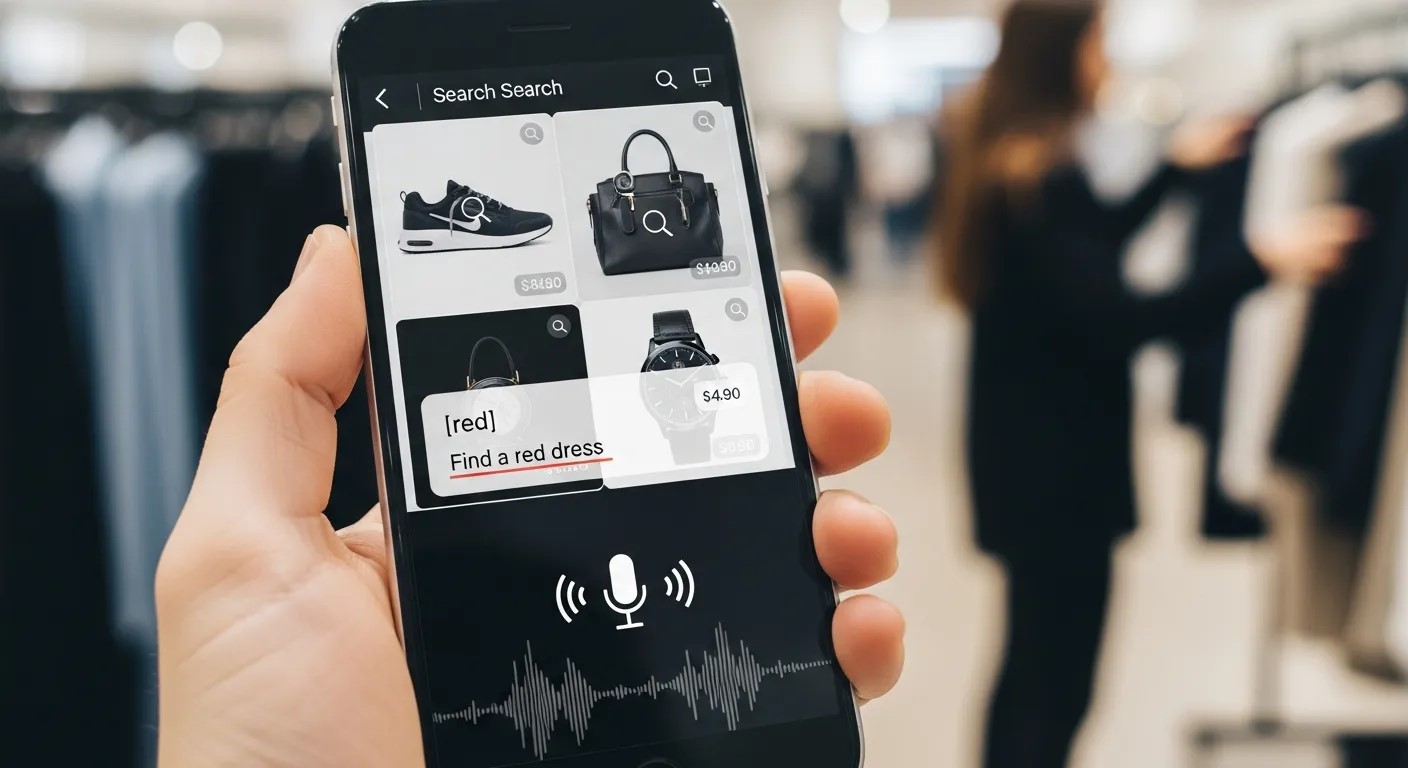
The convergence of visual and voice searches presents new opportunities for SEM campaigns optimization. Users increasingly request information using queries like “show me products like this,” expecting a combination of visual and voice results. By integrating interactive revolutionary AR devices and immersive content, brands can deliver experiences that satisfy these expectations. Optimizing campaigns for both visual and conversational queries ensures better visibility across emerging platforms. Moreover, pairing these innovations with voice search optimization allows marketers to capture audiences who engage with content differently depending on the medium. This approach also supports broader cross-channel SEM strategies, ensuring consistent brand messaging across paid search, social media, and display networks. Brands that leverage visual-voice synergy not only enhance user engagement but also strengthen their market positioning. Effectively blending multimedia content with conversational targeting reinforces the impact of SEM campaigns optimization, driving more conversions and higher customer satisfaction.
Measuring Cross-Channel Effectiveness
Tracking performance across multiple platforms is crucial for effective SEM campaigns optimization. Integrating analytics from search engines, social media, and display ads provides a comprehensive understanding of campaign efficiency. By monitoring metrics like impressions, click-through rates, and conversion patterns, marketers can identify which strategies work best. Incorporating cross-channel SEM insights ensures that campaigns remain cohesive and maintain consistent messaging, even across different devices and platforms. Additionally, analyzing user interactions via voice search and smart assistants helps determine how conversational queries influence engagement. This data-driven approach allows for rapid adjustments, optimizing budget allocation and targeting high-value audiences. By continuously evaluating campaign performance and refining strategies, marketers enhance ROI and maintain competitiveness. Ultimately, consistent measurement and iteration reinforce the long-term effectiveness of SEM campaigns optimization, keeping campaigns aligned with evolving search behavior and market demands.
AI-Powered Content Recommendations
Artificial intelligence has revolutionized SEM campaigns optimization, particularly for voice search. AI-powered tools analyze trends, identify emerging queries, and recommend content modifications to improve performance. By tracking conversational patterns, marketers can update FAQs, ad copy, and landing pages to match voice search optimization requirements. Predictive analytics also help identify high-performing keywords and adjust bidding strategies automatically. Leveraging AI ensures campaigns remain adaptive and data-driven, aligning with human psychology by providing users with relevant, timely content. Furthermore, semantic integration of terms like harnessing voice search in SEM enhances search engine understanding without compromising readability. Incorporating AI insights into cross-channel SEM efforts allows marketers to maintain consistency across multiple platforms while maximizing efficiency. Ultimately, AI-driven content recommendations are an essential component of modern SEM campaigns optimization, ensuring campaigns remain competitive and responsive to evolving user behavior.
Future-Proofing SEM with Emerging Technologies
To stay ahead, businesses must future-proof their strategies through SEM campaigns optimization that embraces emerging technologies. Integrating AI, AR, and predictive analytics prepares campaigns for evolving voice search behavior. For instance, connecting revolutionary AR devices to marketing initiatives creates interactive experiences that complement voice queries. Additionally, leveraging assisted reality and augmented reality ensures content remains engaging, bridging physical and digital environments. Future-ready campaigns also incorporate voice search and smart assistants, aligning ad messaging with conversational user patterns. Marketers who anticipate trends can seamlessly integrate cross-channel SEM strategies, ensuring consistency and adaptability across platforms. This forward-looking approach enables campaigns to maintain relevance while enhancing user engagement, conversions, and overall ROI. By investing in technology-driven optimization, businesses reinforce the long-term effectiveness of SEM campaigns optimization, positioning themselves as leaders in the evolving digital marketing landscape.
Conclusion
In today’s digital marketing landscape, SEM campaigns optimization is no longer optional—it is essential for brands aiming to stay competitive. By integrating voice search and smart assistants, businesses can capture conversational queries and deliver relevant results that resonate with users. Combining long-tail keyword strategies, cross-channel consistency, and AI-driven insights ensures campaigns are both effective and adaptive. Leveraging emerging technologies such as revolutionary AR devices and assisted reality and augmented reality further enhances user engagement, creating interactive experiences that complement voice-driven searches. Continuous monitoring and iterative improvements allow marketers to maximize ROI, improve click-through and conversion rates, and maintain relevance across devices. Ultimately, a strategic focus on SEM campaigns optimization, supported by technology and user-intent insights, positions brands for sustainable growth and success in an increasingly voice-first digital world.
FAQ: SEM Campaigns Optimization for Voice Search
What is SEM campaigns optimization?
SEM campaigns optimization involves refining search engine marketing strategies to improve ad performance, increase visibility, and boost conversions. This includes keyword research, ad copy improvement, landing page alignment, and tracking results. Incorporating voice search optimization further enhances campaign relevance.
How does voice search impact SEM campaigns?
Voice queries are conversational and longer than typed searches. Integrating voice search and smart assistants into your SEM strategy ensures that campaigns address natural user language, leading to higher engagement and better ROI.
Why is cross-channel SEM important?
Cross-channel SEM ensures consistent messaging across paid search, social media, and display networks. Coordinated campaigns improve brand recognition, maximize reach, and complement SEM campaigns optimization efforts for voice-driven traffic.
Can emerging technologies improve SEM campaigns?
Yes. Leveraging revolutionary AR devices or assisted reality and augmented reality enhances user engagement, provides interactive experiences, and aligns with modern SEM campaigns optimization strategies to capture diverse audience interactions.
How do I measure success in SEM campaigns optimization?
Key metrics include click-through rate (CTR), conversion rate, voice query conversions, and smart assistant engagement. Continuous tracking and analysis allow iterative improvements, maximizing campaign performance and ROI.




Leave a Reply