

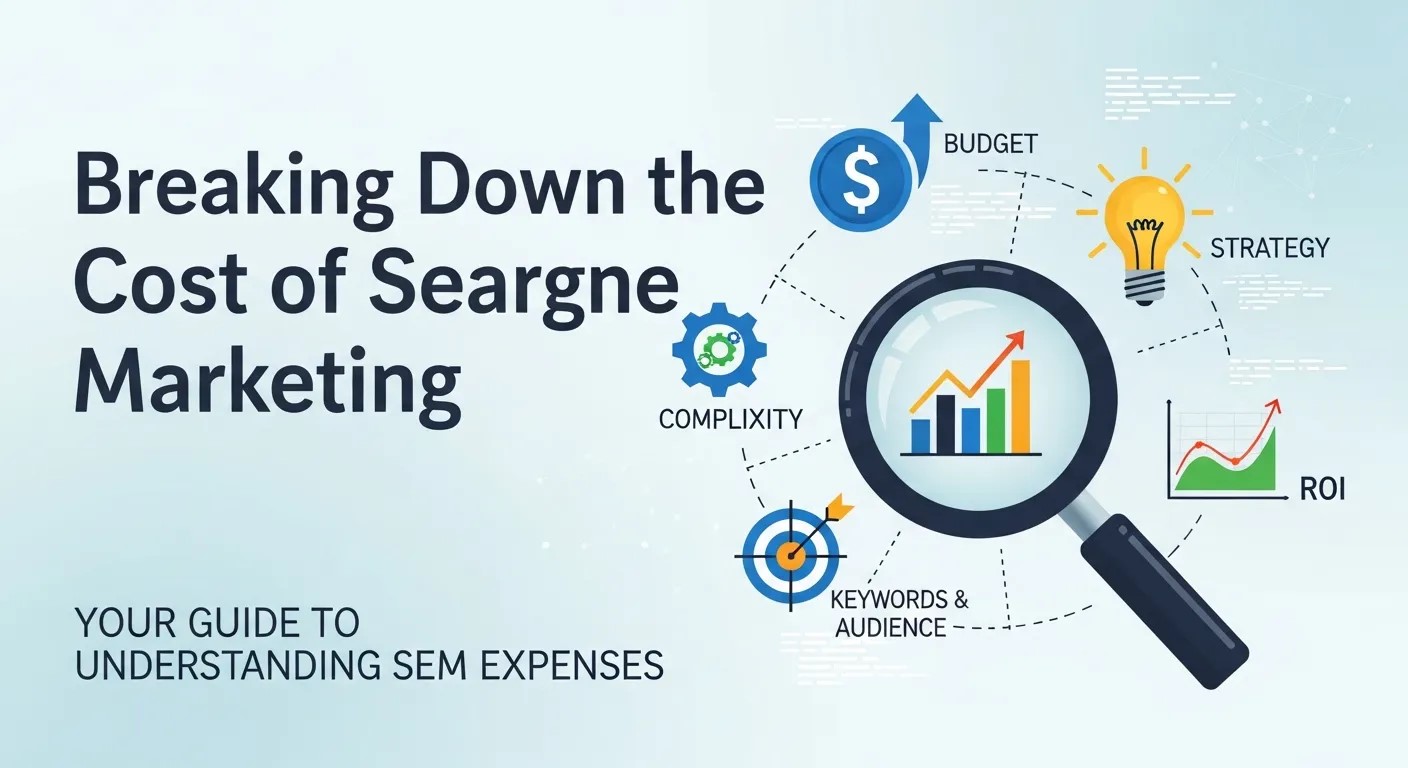
Understanding the cost of search engine marketing helps businesses plan budgets, optimize campaigns, and maximize ROI. Combining paid SEM, organic search engine marketing, advanced strategies, and analytics ensures efficient spend and long-term growth.
How Much Does Search Engine Marketing Really Cost?
Search Engine Marketing (SEM) has become a cornerstone for businesses aiming to establish a strong online presence and generate targeted leads. Understanding the cost of search engine marketing is crucial for companies of all sizes, from startups to enterprises. Unlike organic marketing strategies, SEM provides immediate visibility on search engine results pages (SERPs), but this comes with variable costs depending on strategy, industry, and competition.
This guide will explore the different factors that influence SEM costs, how businesses can allocate budgets effectively, and the nuances of building a successful campaign that delivers measurable ROI. Along the way, we’ll also touch upon essential elements such as organic search engine marketing, building a robust search engine marketing campaign, working with a search engine marketing consultant, and honing search engine optimization skills to maximize campaign efficiency.
Understanding the Cost of Search Engine Marketing
The cost of search engine marketing is not fixed; it depends on several factors, including the bidding model, target keywords, industry competitiveness, and campaign objectives. Most SEM campaigns use a pay-per-click (PPC) model, where advertisers pay each time a user clicks on their ad.
Factors Affecting SEM Costs
Industry Competition
Highly competitive industries such as finance, insurance, or legal services tend to have a higher cost of search engine marketing because many advertisers bid for the same high-value keywords. In contrast, niche industries may have lower costs but require more precise targeting to reach the right audience.
Keyword Selection
Keywords with higher search volumes and commercial intent often cost more. For example, targeting “best digital marketing software” will generally be more expensive than a broader term like “marketing software.”
Geographical Targeting
Campaigns targeting specific regions or countries may experience varied costs. For instance, running an SEM campaign in the United States often costs more per click than targeting countries with less competition.
Ad Quality and Relevance
Search engines reward highly relevant ads with lower costs per click. Crafting compelling ad copy and maintaining high-quality landing pages reduces the overall cost of search engine marketing by improving quality scores.
Key Components of SEM Budgets
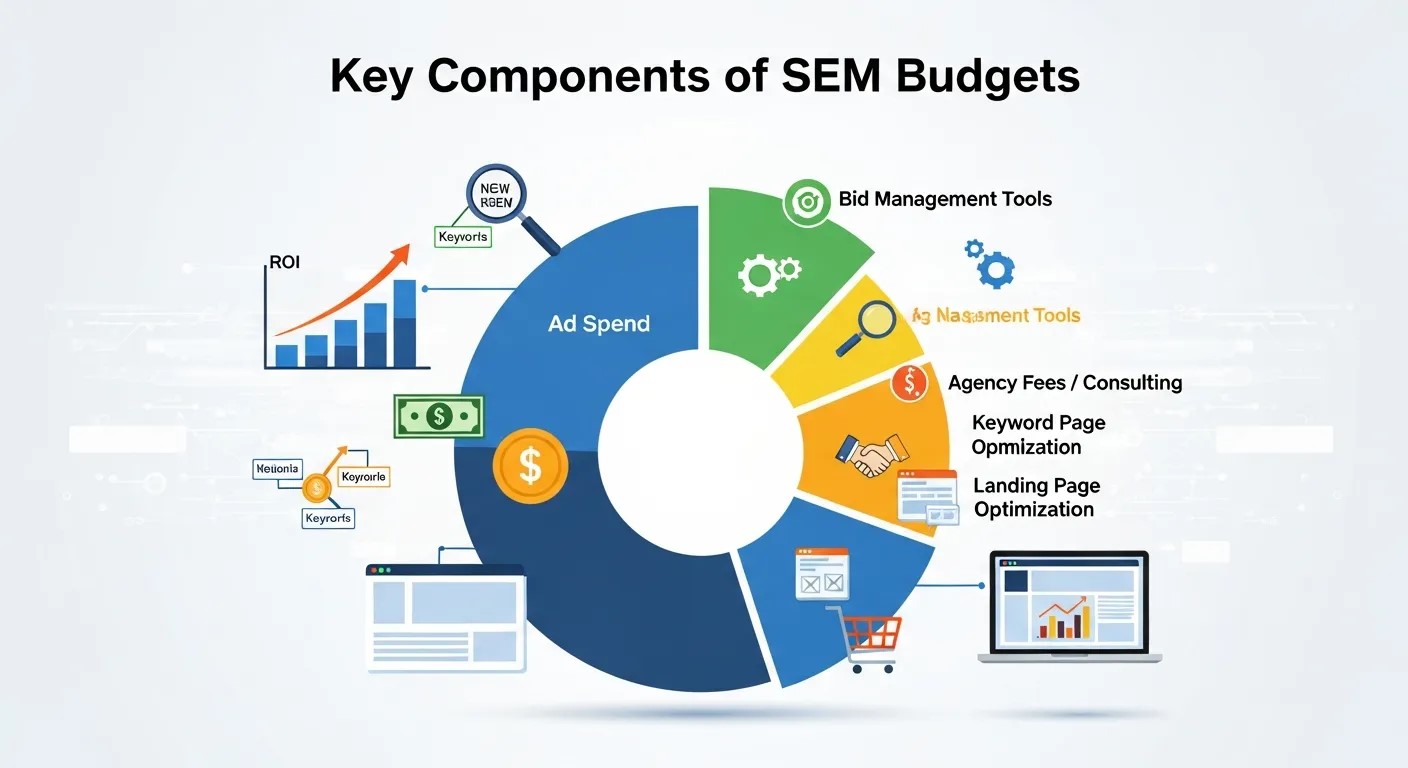
When planning your SEM budget, it’s essential to break down costs into components to ensure funds are allocated efficiently.
Bid Management and CPC
The majority of SEM budgets go toward cost-per-click (CPC) bidding. CPC is influenced by:
-
Keyword competition
-
Ad position
-
Quality Score
Maintaining a balance between competitive bidding and ROI is crucial to prevent overspending.
Campaign Structure and Targeting
Structuring your search engine marketing campaign effectively helps minimize wasted spend. This includes:
-
Organizing campaigns by product or service lines
-
Segmenting ad groups by keyword themes
-
Using negative keywords to filter irrelevant traffic
Proper campaign structuring ensures that the cost of search engine marketing directly contributes to conversions rather than irrelevant clicks.
Ad Creation and Design
High-quality ads improve click-through rates (CTR) and conversion rates. Investment in professional ad copywriting, graphics, and A/B testing should be factored into your SEM budget.
Landing Page Optimization
Even the best campaigns can fail without optimized landing pages. Landing page design, speed, mobile responsiveness, and user experience play a significant role in maximizing ROI and indirectly affecting your SEM costs.
Comparing Paid vs Organic Search Engine Marketing
Businesses often wonder whether to invest in paid SEM or focus on organic search engine marketing. Both have benefits and trade-offs:
| Aspect | Paid SEM | Organic SEO |
|---|---|---|
| Cost | Immediate cost-per-click | No direct cost for clicks, but requires investment in content and SEO skills |
| Time to Results | Immediate visibility | Long-term growth, usually 3–6 months to see impact |
| Control | Full control over keywords, ad placement, and messaging | Limited control, depends on search engine algorithms |
| Conversion Potential | Higher with targeted ads | Can be strong with authority and relevant content |
In many cases, businesses achieve the best ROI by combining paid SEM campaigns with organic search engine marketing, using paid efforts for immediate traffic while building long-term authority organically.
Working with a Search Engine Marketing Consultant

Hiring a search engine marketing consultant can significantly optimize your budget and campaign performance. Consultants bring expertise in:
-
Keyword research and targeting
-
Competitive analysis
-
Landing page and ad copy improvements
-
Analytics and performance tracking
By leveraging a consultant, companies can often reduce the cost of search engine marketing per conversion and improve ROI while gaining access to advanced search engine optimization skills that benefit both paid and organic channels.
Measuring the Cost Effectively
Tracking and analyzing SEM costs is essential for understanding ROI. Important metrics include:
-
Cost per Click (CPC) – The amount paid per ad click
-
Cost per Conversion (CPA) – Total spend divided by conversions
-
Click-Through Rate (CTR) – Percentage of users clicking on ads
-
Quality Score – Search engine rating of ad relevance, CTR, and landing page experience
Analyzing these metrics helps businesses adjust bids, pause underperforming ads, and focus spend on high-performing campaigns.
Tools to Monitor SEM Costs
Several tools help track cost of search engine marketing effectively:
-
Google Ads Dashboard: Real-time CPC, CTR, and conversion tracking
-
SEMrush or Ahrefs: Competitive analysis, keyword difficulty, and CPC estimates
-
Google Analytics: Insights into user behavior, conversions, and ROI
-
Third-party reporting tools: Advanced dashboards for enterprise-level campaigns
Using these tools strategically ensures that your SEM budget is utilized efficiently and delivers maximum return.
The Role of Keyword Research
Keyword research is at the heart of controlling SEM costs. High-performing campaigns rely on selecting keywords with a balance between search volume, commercial intent, and cost.
Steps to Optimize Keyword Spend:
-
Identify high-intent keywords that directly relate to your offerings
-
Segment keywords by match types (broad, phrase, exact) to control spend
-
Use negative keywords to exclude irrelevant traffic
-
Continuously analyze performance and refine keyword lists
Keyword strategy directly impacts your cost of search engine marketing by ensuring each click has a higher chance of converting.
Industry-Specific SEM Cost Variations
Different industries experience varied SEM costs due to competition and search behavior:
| Industry | Average CPC | Considerations |
|---|---|---|
| Finance | $3–$15 | High competition, high-value leads |
| Legal | $4–$12 | Targeting local search intent is crucial |
| E-commerce | $0.5–$3 | Highly product-dependent; seasonal peaks |
| Health & Fitness | $1–$5 | Combination of local and national targeting |
Understanding industry-specific costs helps businesses set realistic budgets and expectations for ROI.
Campaign Types and Their Costs
SEM campaigns can take several forms, each affecting the overall cost:
Search Ads
Text-based ads that appear on search engine results pages. They typically have higher conversion rates due to high intent but vary in CPC based on competition.
Display Ads
Visual ads on third-party websites. Display ads often have lower CPC but may yield lower conversion rates unless retargeting is used.
Shopping Ads
Product-focused ads for e-commerce businesses. CPC can vary widely depending on product category and competition.
Video Ads
Engaging video content placed on platforms like YouTube. Costs depend on impressions, views, and engagement metrics.
By understanding which format aligns with your goals, businesses can manage their cost of search engine marketing more effectively.
Optimizing SEM Budgets
Optimizing SEM spend requires strategic allocation:
-
Focus on high-performing keywords and pause low-performing ones
-
Use ad scheduling to display ads during peak conversion times
-
Leverage geo-targeting to reduce wasted spend
-
Implement automated bidding strategies to maximize ROI
-
Continuously test ad creatives, landing pages, and messaging
A well-optimized search engine marketing campaign ensures that every dollar contributes toward measurable business goals.
Advanced SEM Strategies
Advanced strategies further reduce cost of search engine marketing while improving results:
-
Remarketing Campaigns: Target users who visited your site but did not convert
-
Dynamic Search Ads: Automate ad targeting based on website content
-
Audience Segmentation: Deliver tailored ads based on demographics, behavior, and interests
-
A/B Testing: Continuously improve ad copy, creatives, and landing pages
These strategies require expertise, which is why a search engine marketing consultant can provide significant value.
Training and Skills for Cost Efficiency

To maintain control over SEM costs internally, businesses can invest in developing search engine optimization skills within their teams. Key skills include:
-
Keyword research and analysis
-
PPC campaign management
-
Analytics interpretation and reporting
-
Understanding quality scores and ad ranking algorithms
-
Competitor analysis
By building in-house skills, companies can reduce dependency on external agencies and improve long-term cost efficiency.
Regional and Seasonal Variations
SEM costs fluctuate based on regional competition and seasonal trends. For example:
-
Holidays and major shopping events often increase CPC
-
Local markets may have lower CPC but higher relevance
-
Industry-specific trends affect keyword demand
Planning campaigns with these factors in mind ensures that the cost of search engine marketing is optimized for maximum ROI throughout the year.
Balancing Paid and Organic Efforts
A combined strategy of organic search engine marketing and paid SEM provides the best long-term results. Organic efforts reduce reliance on paid clicks over time while SEM ensures immediate visibility. Companies that harmonize these strategies often enjoy:
-
Reduced overall cost per lead
-
Improved brand visibility
-
Higher conversion rates
-
Sustainable growth
Common Pitfalls to Avoid
While SEM is powerful, businesses can overspend if they make common mistakes:
-
Targeting overly broad keywords
-
Ignoring negative keywords
-
Poor ad copy or irrelevant landing pages
-
Not tracking conversions properly
-
Failing to test and optimize campaigns
Avoiding these pitfalls keeps the cost of search engine marketing within budget while maximizing impact.
Using Analytics to Control Costs
Regular analysis of SEM data is essential:
-
Track CPC, CTR, and CPA regularly
-
Use performance data to reallocate budgets to high-performing campaigns
-
Monitor quality scores and make adjustments to ad copy and landing pages
-
Implement conversion tracking for ROI measurement
Analytics provides actionable insights that help reduce wasted spend and improve campaign performance.
Case Study: Cost Breakdown Example
| Component | Estimated Monthly Cost | Notes |
|---|---|---|
| CPC Bidding | $2,500 | Based on target keywords and competition |
| Ad Creative & Copy | $500 | Includes design and A/B testing |
| Landing Page Optimization | $750 | UX, speed, and mobile responsiveness |
| Consultant Fees | $1,200 | Expert campaign management and reporting |
| Total SEM Cost | $4,950 | Monthly budget for mid-size campaign |
This example illustrates how costs can be distributed to manage the cost of search engine marketing effectively.
Remarketing Campaigns to Reduce Cost
Remarketing targets users who previously visited a website but did not convert. Since these users have already shown interest, remarketing often delivers lower CPCs and higher conversion rates.
-
Display remarketing ads on partner sites
-
Use dynamic remarketing for e-commerce products
-
Segment audiences based on behavior (e.g., cart abandoners, content viewers)
Remarketing ensures that each dollar spent is efficient, lowering the cost of search engine marketing per conversion while increasing overall ROI.
Long-Tail Keywords for Cost Efficiency
Focusing on long-tail keywords is another strategy to reduce SEM costs. These keywords are more specific, have lower competition, and attract highly qualified traffic.
Example:
-
Short-tail: “marketing software” (high CPC, competitive)
-
Long-tail: “best marketing software for small businesses 2026” (lower CPC, higher conversion likelihood)
Including long-tail keywords in your search engine marketing campaign reduces wasted spend and lowers the overall cost of search engine marketing.
Seasonal Budget Adjustments
SEM costs fluctuate with seasonal trends and events. Businesses can optimize their budgets by planning for these fluctuations:
-
Holidays and major shopping seasons: CPC may spike; allocate higher budgets strategically
-
Industry-specific events: Conferences, product launches, or seasonal promotions impact search behavior
-
Off-peak periods: Reduce spend or test new keywords to lower the cost of search engine marketing
Proactive seasonal adjustments help maintain ROI and prevent overspending during high-competition periods.
Conversion Rate Optimization (CRO) to Lower Costs
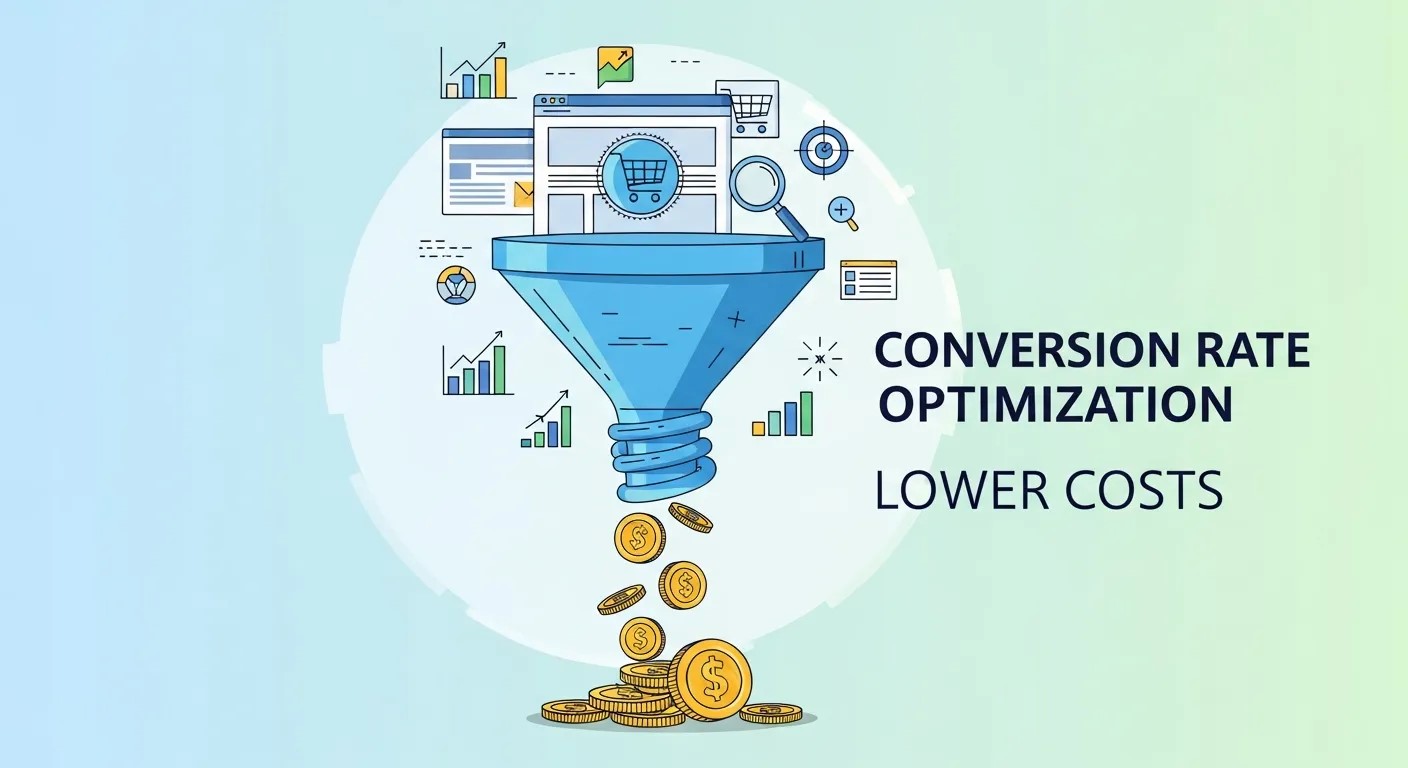
Even with well-managed SEM campaigns, poor landing pages can increase the cost of search engine marketing per lead. Conversion Rate Optimization ensures that more clicks turn into conversions:
-
A/B test landing pages and forms
-
Improve page load speed
-
Simplify navigation and call-to-action buttons
-
Ensure mobile responsiveness
CRO reduces the overall cost per acquisition, directly impacting the cost of search engine marketing positively.
Advanced Analytics and ROI Tracking
Tracking ROI goes beyond CPC and CTR. Advanced analytics helps businesses make informed decisions and control SEM costs:
-
Use Google Analytics 4 or advanced dashboards for real-time insights
-
Track multi-touch conversions to understand the full customer journey
-
Calculate customer lifetime value (CLV) to justify SEM spend
-
Monitor campaign attribution to allocate budgets where they perform best
Advanced tracking ensures that every marketing dollar is justified, lowering the effective cost of search engine marketing.
Combining Paid SEM and Organic Search Strategies
Integrating SEM with organic search engine marketing maximizes visibility and reduces reliance on paid clicks:
-
Use SEM to target high-intent keywords while building organic rankings for broader terms
-
Leverage insights from paid campaigns to inform organic content strategy
-
Invest in search engine optimization skills internally to maintain long-term growth
A coordinated approach allows businesses to reduce the overall cost of search engine marketing over time while sustaining traffic and conversions.
Industry Case Studies: Optimizing SEM Costs
E-Commerce
-
Focus on long-tail product keywords
-
Implement dynamic remarketing
-
Use shopping ads for seasonal products
-
Optimize landing pages for mobile users
Finance
-
Target local high-intent keywords
-
Use automated bidding for CPA optimization
-
Invest in high-quality ad copy and landing pages
-
Track ROI with multi-touch attribution
Healthcare
-
Segment campaigns by location and service type
-
Implement remarketing for patient education content
-
Use display ads for awareness and search ads for conversions
Across industries, understanding search behavior and applying strategies like AI bidding, remarketing, and long-tail keyword optimization reduces the cost of search engine marketing while improving ROI.
Automation Tools to Reduce SEM Costs
Automation is critical in modern SEM management:
-
Google Ads Smart Bidding: Optimizes CPC based on conversions
-
Automated reporting tools: Save time on data analysis
-
AI-driven keyword suggestion tools: Identify new low-cost opportunities
Automation ensures campaigns remain efficient, reducing the cost of search engine marketing without sacrificing performance.
The Role of Content in Reducing SEM Costs
Content is not just for organic SEO; it influences paid campaigns too:
-
Well-optimized landing pages increase quality scores, lowering CPC
-
High-value content attracts clicks with better engagement
-
Integrating insights from organic search engine marketing can inform paid ad copy and targeting
Investing in content helps maintain efficiency across all SEM activities, reducing the overall cost of search engine marketing.
Predictive Analytics in SEM
Predictive analytics uses historical data to forecast campaign performance:
-
Identify high-converting keywords before bidding aggressively
-
Allocate budgets proactively for peak periods
-
Predict CPC fluctuations to control cost of search engine marketing
By anticipating trends, businesses can avoid overspending and maximize ROI.
Scaling SEM Campaigns While Controlling Costs
Scaling campaigns without losing efficiency requires:
-
Expanding high-performing keywords gradually
-
Testing new ad formats or platforms
-
Applying automated bidding and AI strategies
-
Using search engine optimization skills to inform paid targeting
Proper scaling ensures that the cost of search engine marketing remains optimized even as campaigns grow.
Conclusion
Understanding the cost of search engine marketing is essential for businesses looking to maximize ROI and achieve sustainable online growth. By analyzing industry competition, selecting the right keywords, optimizing campaigns, and leveraging tools like AI bidding, remarketing, and cross-channel strategies, companies can control SEM costs effectively.
Integrating paid campaigns with organic search engine marketing and investing in search engine optimization skills further enhances performance while reducing reliance on high-cost clicks. With careful planning, data-driven decision-making, and expert guidance from a search engine marketing consultant, businesses can ensure their SEM efforts deliver measurable results and long-term success.
Frequently Asked Questions (FAQ)
What is the cost of search engine marketing?
The cost of search engine marketing varies depending on industry competition, keyword selection, ad quality, and campaign objectives. Businesses pay primarily through CPC (cost-per-click), but costs can be optimized with proper strategy and analytics.
How can I reduce the cost of search engine marketing?
To lower SEM costs, focus on long-tail keywords, improve ad quality, optimize landing pages, use negative keywords, and implement automated bidding strategies. Combining paid campaigns with organic search engine marketing also helps reduce reliance on high-cost clicks.
Do I need a search engine marketing consultant?
A search engine marketing consultant can help structure campaigns, perform keyword research, optimize bids, and track ROI. Consultants ensure the cost of search engine marketing is managed efficiently and campaigns deliver measurable results.
What role do organic search strategies play in SEM?
Integrating organic search engine marketing with paid SEM provides long-term visibility, improves quality scores, and can lower the overall cost of search engine marketing by reducing dependence on paid clicks.
How can I measure the ROI of my SEM campaigns?
Track metrics like CPC, CTR, CPA, and conversion rates. Advanced analytics tools and multi-touch attribution help calculate ROI and adjust campaigns to optimize the cost of search engine marketing effectively.
Are AI-powered bidding strategies worth the investment?
Yes. AI bidding automates CPC adjustments based on user behavior, conversion probability, and budget goals, helping to reduce the cost of search engine marketing while maximizing ROI.
How often should SEM campaigns be reviewed?
Regular review weekly or monthly is recommended. Monitoring performance metrics allows businesses to adjust bids, refine keywords, test ad creatives, and maintain an optimal cost of search engine marketing.




Leave a Reply