

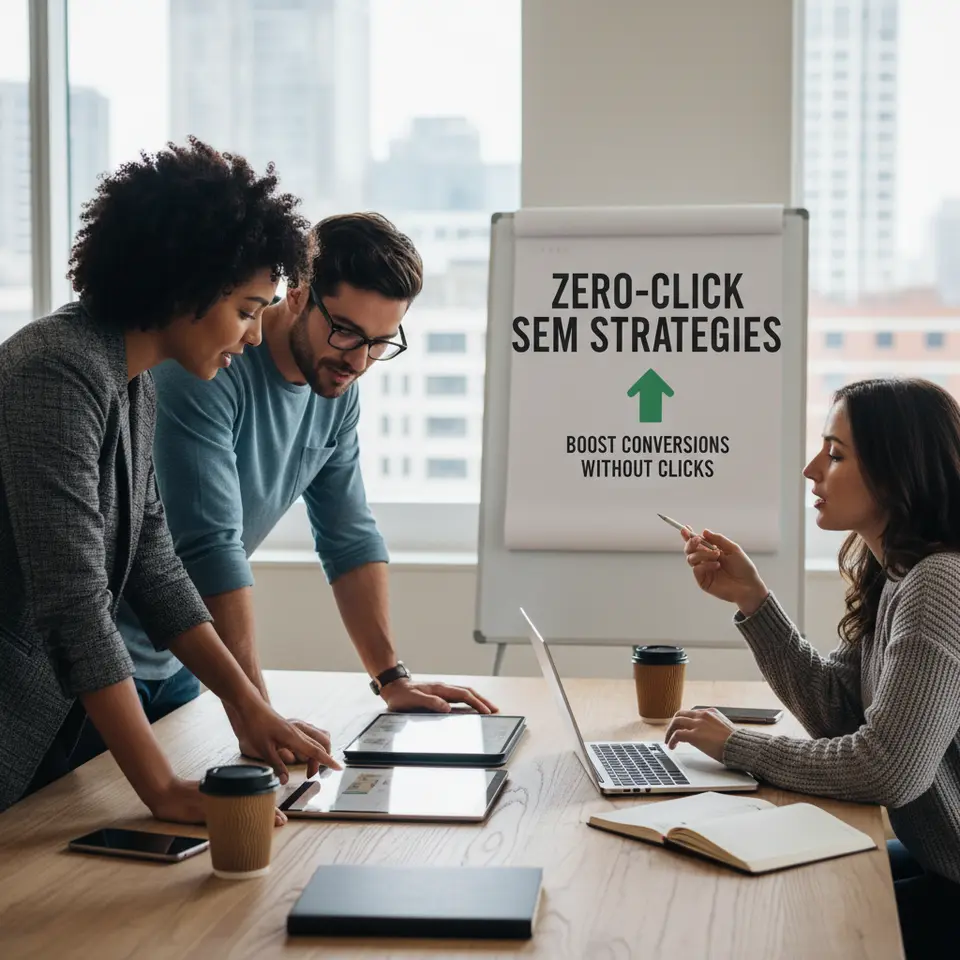
Zero-Click SEM transforms search marketing by delivering instant answers directly on the SERP. Marketers must optimize content for featured snippets, adapt measurement metrics, and refine conversion optimization tactics to thrive in this evolving digital landscape.
In today’s digital landscape, search engines have transformed from simple directories into comprehensive answer hubs. The phenomenon known as Zero-Click SEM now dominates how people interact with search results. Rather than clicking through to external websites, users often find concise answers directly on the search engine results page (SERP). This shift challenges traditional paid and organic strategies, requiring marketers to rethink metrics and tactics. Today, optimizing for visibility beyond clicks is essential to maintain brand awareness and influence in a crowded online environment.
Leading platforms like Google and Bing feature rich snippets, knowledge graphs, local packs, and interactive modules that display information at a glance. As Zero-Click SEM rises, nearly half of all searches conclude without a user leaving the SERP. In this article, we will explore the emergence of Zero-Click SEM, redefine performance goals for a click-free environment, present tactical approaches to secure prime SERP placement, introduce advanced measurement techniques beyond clicks, and highlight the tools and technologies needed to thrive. By embracing this clickless era, marketers can sustain growth, boost brand engagement, and adapt strategies to the ever-evolving search landscape.
The Emergence of Zero-Click SEM
Over the past few years, the search experience has evolved dramatically. Search engines now aim to provide instant answers, reducing the need for users to navigate away from the SERP. Features such as featured snippets, knowledge panels, and “People Also Ask” boxes deliver fast, context-rich responses.
Zero-Click SEM extends far beyond simple keyword bidding. It encompasses optimizing content to appear in these visual and interactive SERP elements. Much like how a brand relies on a social media crisis management guide to handle sudden public relations shifts, modern marketers need a robust strategy to handle sudden traffic drops caused by zero-click features.
Featured snippets offer a concise answer at the top of search results. Knowledge panels display branded information, images, and quick facts. Local packs aggregate location-based queries with maps, reviews, and contact details, providing a seamless discovery experience.
Zero-Click SEM is not limited to desktop searches. Voice assistants leverage the same snippet technology to answer spoken queries aloud, further reducing click opportunities. As voice search continues to grow, marketers must ensure their content is optimized for natural language queries and structured data.
Redefining Performance Goals for a Click-Free Environment
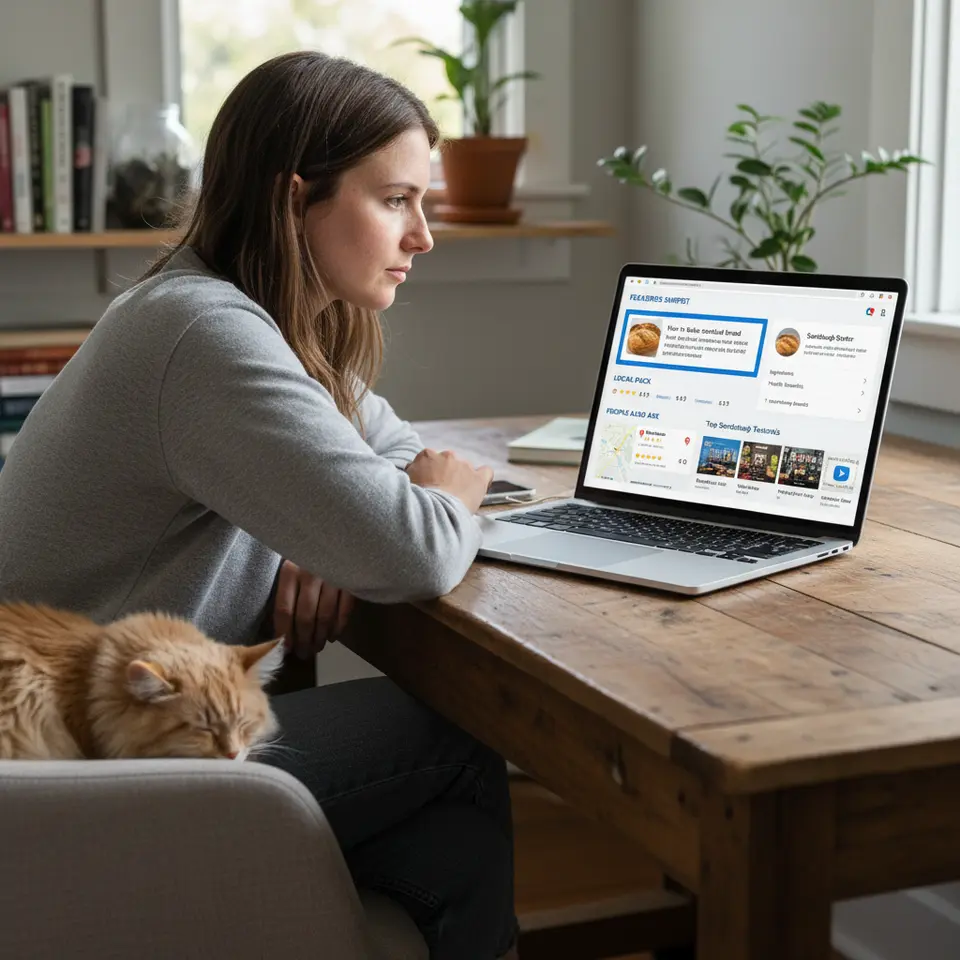
In a world dominated by Zero-Click SEM, traditional metrics like click-through rate (CTR) and cost per click (CPC) only tell part of the story. To succeed today, businesses must shift focus toward metrics that capture passive engagement and indirect influence. Brand visibility within SERP features, for instance, measures how frequently your content appears in featured snippets, knowledge panels, and local packs. This share of SERP space becomes a vital performance indicator, reflecting the strength of your optimized content.
Assisted conversions represent another important metric. Even without direct clicks, visibility in zero-click formats can guide users toward later actions, whether through brand search, social media engagement, or repeat visits. By analyzing assisted conversion paths in platforms like Google Analytics, marketers gain insight into how zero-click impressions contribute to revenue and leads. Engagement signals—such as scroll depth on mobile preview pages and time spent on your site after organic visits—provide further context on user interest sparked by initial zero-click exposure.
Other emerging KPIs include voice search requests triggered by your FAQ or HowTo schema, as voice assistants often draw from structured data. Tracking the volume of brand-related queries and the frequency of SERP feature appearances helps teams understand the broader impact of Zero-Click SEM efforts. Pioneering organizations are integrating these click-free metrics into dashboards, ensuring strategies align with evolving user behavior and search engine algorithms.
Tactical Approaches to Optimize for Zero-Click Visibility
Optimizing for zero-click visibility requires a proactive approach to content creation and formatting. When a competitor steals your featured snippet, knowing how to craft effective crisis responses and quickly pivoting your content strategy can help you reclaim that top spot.
Optimizing Featured Snippets
Featured snippets represent a cornerstone of Zero-Click SEM. To claim these snippets, analyze top-ranking pages for target queries and identify the specific information they distill. Structure your content to answer queries directly in concise paragraphs of 40 to 60 words or present information in numbered or bulleted lists. Use clear <h2> and <h3> tags that align with the question intent. Incorporating the focus keyword “Zero-Click SEM” in headings and early in paragraphs signals relevance to search engines.
Leveraging Schema Markup
Structured data helps search engines understand and display your content effectively. Implement schema types such as FAQPage, HowTo, and LocalBusiness to increase the likelihood of rich results. Follow the guidelines provided by Google Search Central to avoid errors. Proper markup can unlock People Also Ask entries and enhance your presence in voice search responses.
Building a Robust Knowledge Panel
Claim and optimize your business profile on major search directories. Ensure your name, address, and phone number are accurate, and regularly update images and posts. An optimized knowledge panel captures zero-click attention and strengthens brand credibility.
Augmenting Paid Search with Branded Campaigns
In a click-free era, branded PPC campaigns protect your market share when organic results dominate the SERP. Use responsive search ads to test multiple headlines and descriptions that mimic featured snippet formats, increasing the chance of occupying prime page real estate.
Crafting High-Value Answer Content
Produce in-depth guides, interactive tools, and video tutorials with transcripts to address high-volume questions comprehensively. High-quality answer content appeals to human readers and signals to algorithms that your resources deserve prime placement. This reinforces your broader conversion optimization goals.
Advanced Measurement Techniques Beyond Traditional Click Metrics
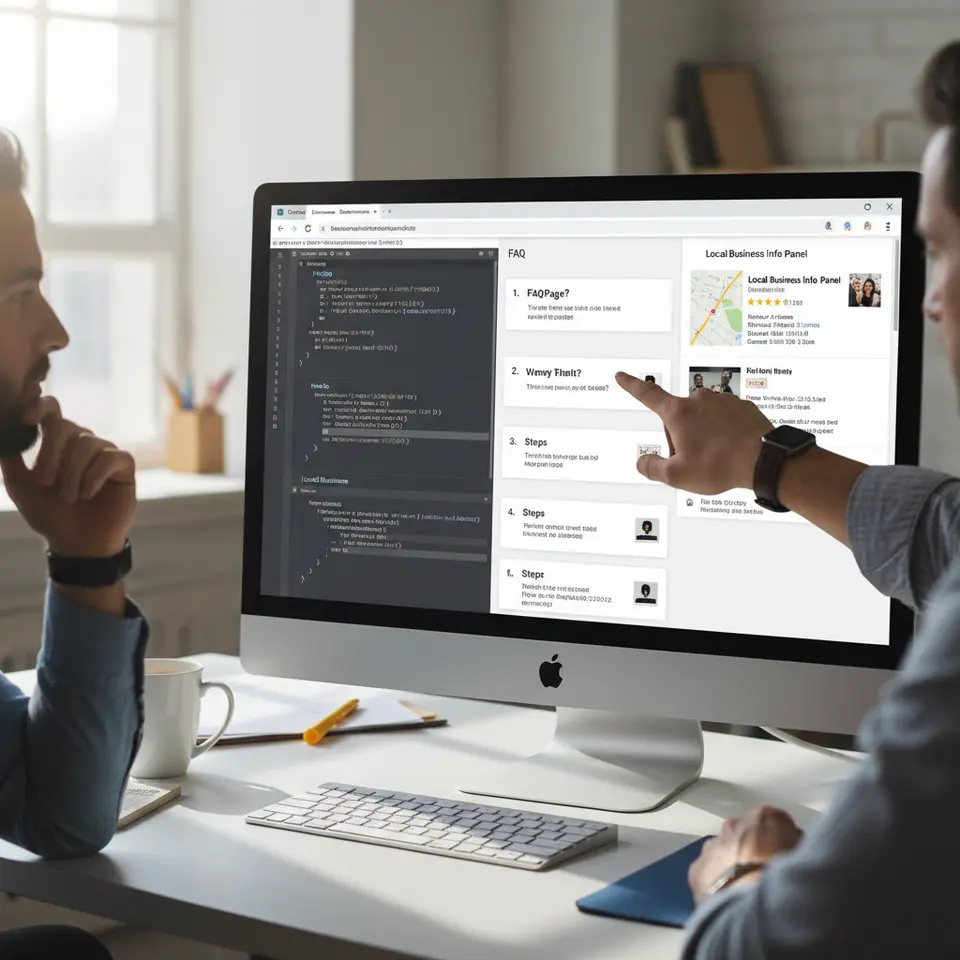
Measuring the impact of Zero-Click SEM requires a holistic approach that blends various analytics platforms. Impression share indicates how often your content appears in featured snippets, knowledge panels, and carousels. This metric reveals the efficiency of your optimization efforts and highlights opportunities for improvement.
Assisted conversion reports in Google Analytics or your CRM to track how zero-click visibility influences user journeys. By attributing revenue and goal completions to assisted channels, you can demonstrate the ROI of click-free strategies. Monitoring brand search volume via tools like Google Trends helps quantify increases in direct navigation and brand affinity triggered by zero-click exposure.
Voice search analytics often reside within platform-specific dashboards. Track the number of voice queries answered by your FAQ or HowTo pages and assess their contribution to overall engagement. Combining these insights with engagement metrics—bounce rate, session duration, scroll depth—paints a clearer picture of user interest sparked by zero-click experiences.
For a comprehensive view, consider integrating data from Digital.gov recommendations on analytics best practices. This framework encourages continuous testing of snippet content, schema configurations, and ad variations. A data-driven culture ensures your Zero-Click SEM campaigns stay agile and aligned with search engine evolutions.
Integration of Tools and Technologies for Sustained Zero-Click SEM Growth
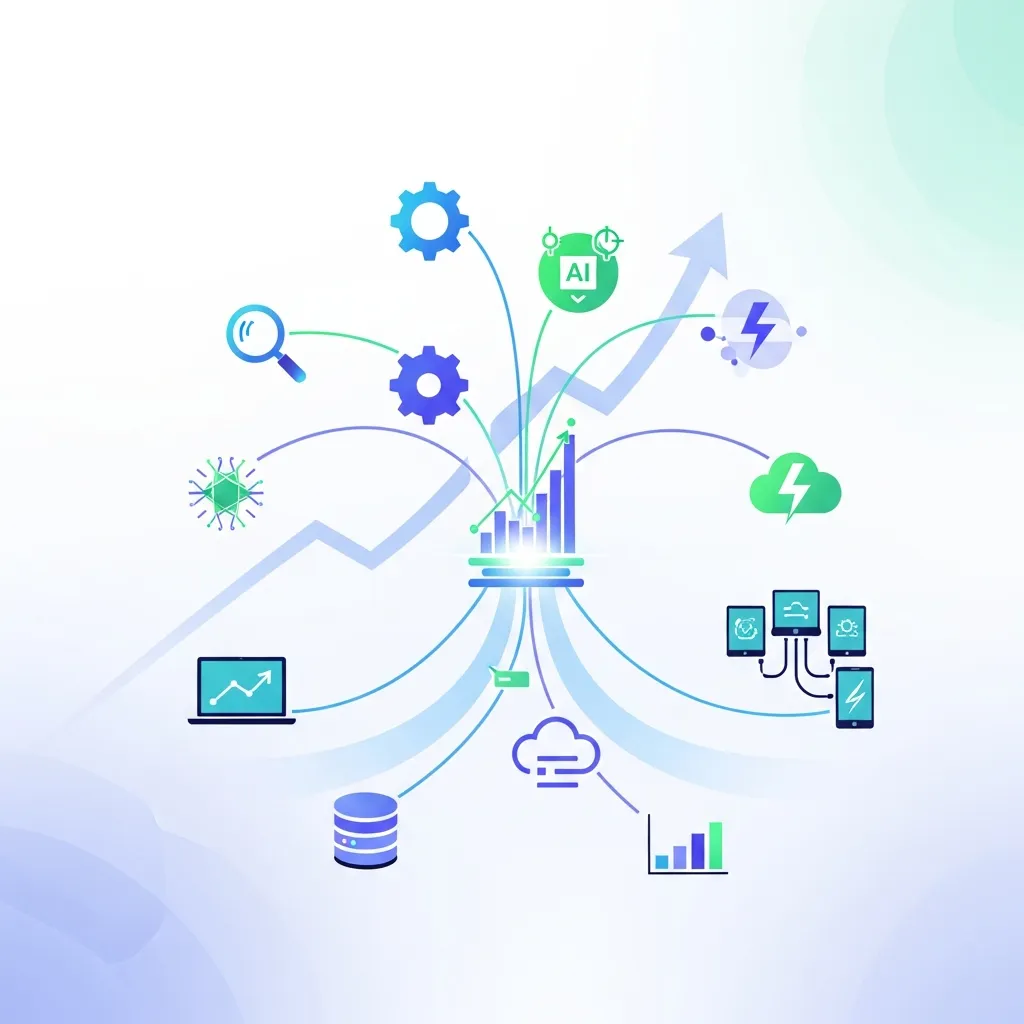
Effective Zero-Click SEM relies on a suite of specialized platforms. SEO software identifies snippet opportunities and tracks SERP features across keyword sets. These tools analyze competitor placements and reveal gaps where your content can outperform existing answers.
Looking back at how TV revolutionized advertising forever, we see that adopting new media technologies early is crucial for maintaining a competitive edge. The same applies to modern search marketing tools.
Search console tools provide a direct window into search queries triggering zero-click impressions. Analytics solutions power measurement and attribution. Advanced data visualization platforms can merge SEO metrics, paid search data, and branded campaign performance into unified dashboards.
Emerging technologies such as AI-driven content optimization tools can further enhance Zero-Click SEM strategies. These platforms analyze query trends in real time and suggest content adjustments to improve snippet candidacy. A unified workflow fosters shared responsibility for Zero-Click SEM objectives.
Frequently Asked Questions
1. What is Zero-Click SEM?
Zero-Click SEM refers to search engine marketing strategies focused on optimizing visibility within SERP features like featured snippets and local packs. Users receive answers directly without clicking through to an external website.
2. Why is Zero-Click SEM important for search marketing?
It is important because nearly half of all searches end without a click. If you do not optimize for zero-click visibility, you risk losing brand awareness and impression share to competitors who answer user questions directly on the SERP.
3. How can I optimize for featured snippets?
Analyze the top-ranking content for your target queries. Structure your answers concisely in 40–60 words, use bulleted lists, and include clear headings that perfectly match the user’s search intent.
4. Can I still drive traffic if users don’t click?
Yes, zero-click visibility often leads to assisted conversions. Users may see your brand in a snippet and search for you directly later. You can learn strategies to maximize SEM potential for traffic conversions by building strong brand recall through SERP dominance.
5. How do I choose the best terms for Zero-Click SEM?
Focus on question-based keywords (who, what, where, when, why, how). Understanding how to build a winning keyword for paid search involves targeting queries that naturally trigger featured snippets and knowledge panels.
6. Which metrics matter in a click-free environment?
Key metrics include impression share within SERP features, assisted conversions, voice search requests triggered by structured data, and brand search volume growth over time.
7. How does schema markup help with Zero-Click SEM?
Schema markup provides search engines with structured data about your content. This makes it much easier for algorithms to pull your information into rich snippets, FAQ dropdowns, and voice search answers.
8. Do paid ads play a role in Zero-Click SEM?
Absolutely. Running branded paid search campaigns ensures you dominate the top of the page, capturing visual real estate even when organic zero-click features push traditional organic links down.
9. What should I do if my clicks are dropping but impressions are deep?
This often indicates a shift toward zero-click behavior. To offset this, focus on landing page optimization for better CPC performance to ensure that the clicks you do receive convert at a much higher rate.
10. How does conversion optimization work without clicks?
Conversion optimization in a zero-click world focuses on optimizing the SERP real estate itself. This means improving the clarity of your Google Business Profile, maximizing review scores, and providing exact answers so the user remembers your brand when they are ready to buy.
Conclusion
As search behavior shifts toward immediate answers, Zero-Click SEM emerges as a defining force in digital marketing. Brands must embrace visibility within SERP features to remain competitive, redefining success metrics beyond clicks. By optimizing for featured snippets, leveraging structured data, and coordinating paid and organic efforts, marketers can cultivate brand prominence even when users stay on the search page.
Advanced measurement practices—impression share, assisted conversions, voice search analytics—provide a holistic understanding of click-free performance. Integrating specialized tools, AI-driven insights, and collaborative workflows supports sustainable growth. In today’s digital landscape, mastery of Zero-Click SEM is crucial to influencing user journeys, enhancing brand equity, and driving business outcomes without relying solely on clicks.



Leave a Reply