

AI-Powered SEM Strategies enhance campaign efficiency by leveraging predictive analytics, automated bidding, and audience insights, enabling businesses to maximize ROI, reduce wasted spend, and achieve higher conversions across both paid and organic search channels.
How AI-Powered SEM Strategies Can Boost Your Marketing ROI
In today’s competitive digital marketing landscape, businesses are constantly looking for ways to maximize their return on investment (ROI). Among the most effective approaches is the use of AI-Powered SEM Strategies. These strategies leverage artificial intelligence to enhance search engine marketing campaigns, streamline processes, and deliver measurable results.
The importance of AI-Powered SEM Strategies cannot be overstated. Traditional search engine marketing required extensive manual work keyword research, bid adjustments, and performance tracking but AI transforms this process. By analyzing massive datasets and making real-time decisions, these strategies ensure every dollar spent contributes to achieving marketing goals efficiently.
Whether you are a small business or a multinational corporation, integrating AI-Powered SEM Strategies into your digital marketing efforts allows you to optimize campaigns dynamically, reduce wasted ad spend, and increase conversions.
Understanding AI-Powered SEM Strategies
AI-Powered SEM Strategies refer to marketing approaches that utilize machine learning, predictive analytics, and automation to enhance paid search performance. Unlike conventional SEM methods, AI-powered strategies allow for real-time optimization of campaigns, ensuring that businesses target the right audience with the right message at the right time.
Key benefits of these strategies include:
-
Predictive targeting based on user behavior
-
Dynamic bid adjustments for optimal ROI
-
Continuous learning and adaptation for improved performance
-
Integration with other marketing technologies such as Chatbot Marketing Analytics
By adopting AI-Powered SEM Strategies, businesses can scale their campaigns without increasing human effort, ensuring efficiency and effectiveness.
The Role of Organic Search Engine Marketing in SEM
While paid campaigns drive immediate traffic, Organic Search Engine Marketing remains essential for long-term growth. AI can analyze organic search trends to identify keywords that convert well and inform paid campaigns.
Integrating organic strategies with AI-Powered SEM Strategies provides a holistic approach:
-
Organic data improves keyword selection for paid campaigns
-
AI predicts which organic search terms will perform well in paid ads
-
Consistent messaging across paid and organic channels builds brand credibility
This combination ensures that your campaigns are both cost-efficient and effective in reaching your target audience.
Designing a High-Impact Search Engine Marketing Campaign
A successful Search Engine Marketing Campaign requires strategic planning, execution, and constant optimization. AI streamlines each phase, from keyword research to bid management, while ensuring that AI-Powered SEM Strategies remain at the core of decision-making.
Key Steps to Launching a Campaign
-
Keyword Research: AI tools identify high-converting keywords, going beyond search volume to analyze intent and potential ROI.
-
Audience Segmentation: AI segments audiences based on behavior, interests, and engagement patterns, ensuring precise targeting.
-
Ad Creation and Testing: Multiple ad variations can be generated and tested using AI to find the highest-performing combinations.
-
Bid Optimization: AI-Powered Bidding Strategies adjust bids in real-time, maximizing ROI while reducing wasted spend.
A well-executed campaign integrates both human insights and AI intelligence, ensuring performance remains high while continuously learning from results.
Leveraging AI-Powered Bidding Strategies
One of the most transformative aspects of AI-Powered SEM Strategies is the use of AI-Powered Bidding Strategies. These strategies automate bid management, dynamically adjusting spend based on performance metrics, user behavior, and market trends.
How AI-Powered Bidding Works
-
Predictive Analytics: AI predicts which keywords, devices, and times will deliver the highest ROI.
-
Dynamic Adjustments: Bids are automatically optimized for maximum performance.
-
Budget Allocation: AI ensures ad spend is distributed across campaigns efficiently, prioritizing high-converting segments.
By incorporating AI-Powered Bidding Strategies, businesses can reduce manual effort and make smarter decisions, resulting in higher ROI and better campaign outcomes.
Enhancing Campaigns with Search Engine Optimization Skills
Even with AI-driven campaigns, human expertise in Search Engine Optimization Skills is essential. Optimized landing pages, content, and website structure improve Quality Scores, reduce costs, and enhance user experience.
AI tools work alongside human SEO skills to provide recommendations, analyze site performance, and identify opportunities for improvement. Combining these insights with AI-Powered SEM Strategies ensures campaigns are not only technically optimized but also aligned with user intent.
Integrating Chatbot Marketing Analytics
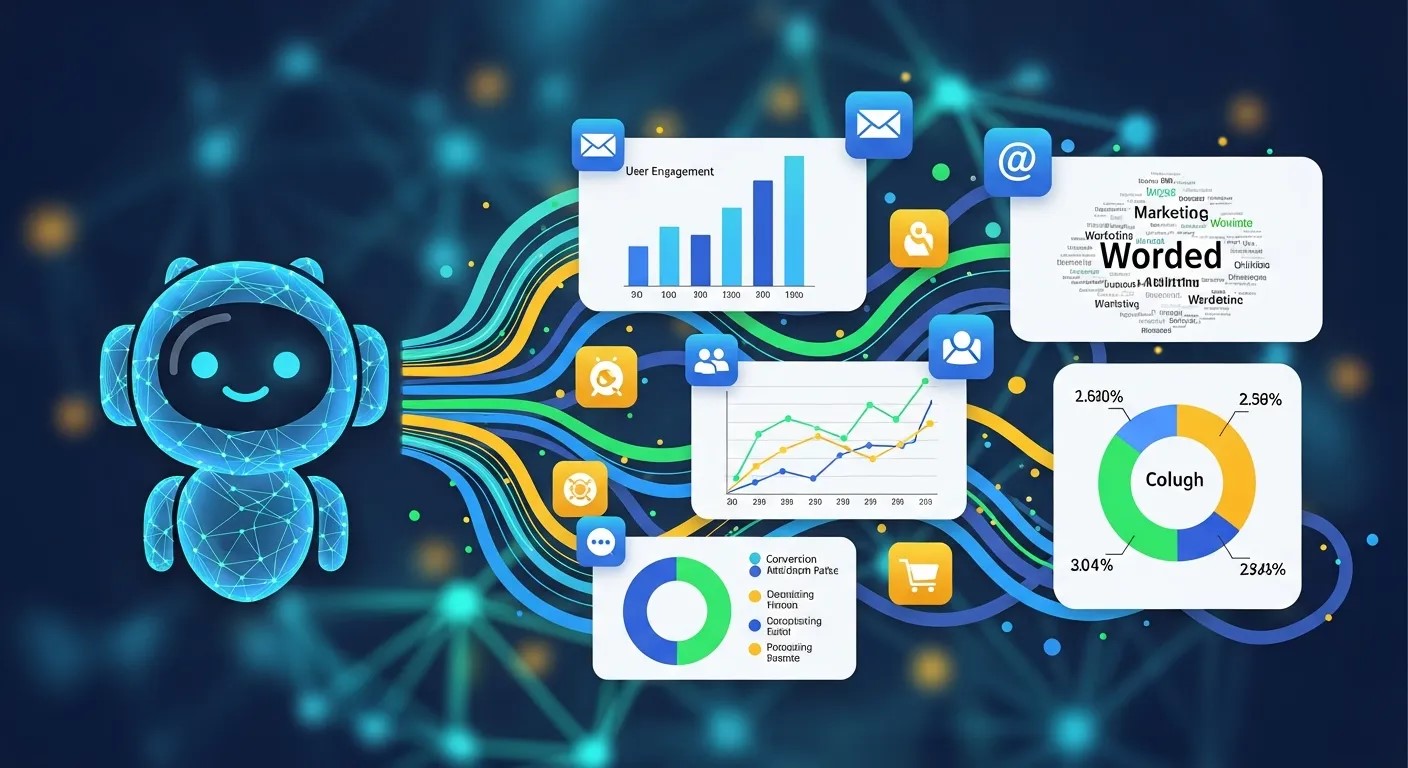
Modern marketing relies heavily on Chatbot Marketing Analytics. Chatbots collect user data, provide instant assistance, and track interactions. This data feeds into AI-Powered SEM Strategies, allowing marketers to refine campaigns based on real user behavior.
Benefits of integrating chatbots with SEM campaigns include:
-
Understanding audience intent more accurately
-
Personalizing ad messaging for higher engagement
-
Measuring conversion pathways from first interaction to final purchase
By combining chatbots with AI-driven SEM, businesses gain a competitive advantage in creating personalized, high-converting campaigns.
Utilizing AI-Powered Object Recognition in Ads
Another innovative element of AI-Powered SEM Strategies is AI-Powered Object Recognition. This technology analyzes images and videos to identify objects that resonate with audiences.
For example, e-commerce platforms can detect which product images generate the most engagement, allowing marketers to create visually optimized ads. When integrated with SEM campaigns, object recognition ensures that ads are not only targeted but also visually compelling, boosting click-through rates and ROI.
Advanced Reporting and Analytics
Data-driven insights are critical for SEM success. AI-powered platforms provide comprehensive dashboards highlighting metrics such as:
-
Keyword performance
-
Conversion rates across devices
-
Audience engagement trends
-
ROI per campaign segment
With this data, marketers can continuously refine their AI-Powered SEM Strategies, ensuring that campaigns remain efficient and highly targeted.
Case Studies of AI-Powered SEM Success
E-Commerce Success
An e-commerce company implemented AI-Powered SEM Strategies alongside predictive bidding and chatbots. Within three months, ROI increased by 35%, ad spend was optimized across high-performing keywords, and customer engagement improved significantly.
B2B SaaS Company
A B2B SaaS company used AI to adjust its Search Engine Marketing Campaign in real-time based on user behavior. The result was a 40% reduction in cost-per-lead while maintaining high-quality lead acquisition.
These examples illustrate how AI-Powered SEM Strategies can transform marketing outcomes across industries.
Common Challenges and Solutions
Implementing AI-Powered SEM Strategies is not without challenges:
-
Data Overload: AI can generate vast amounts of data. Solution: Use dashboards that highlight actionable insights.
-
Integration Issues: Older systems may not support AI. Solution: Transition gradually to AI-friendly platforms.
-
Skill Gaps: Teams may lack AI expertise. Solution: Provide training in SEM, AI, and Search Engine Optimization Skills.
Proactively addressing these challenges ensures smooth implementation and maximizes ROI.
Future Trends in AI-Powered SEM
The future of SEM will increasingly rely on AI technologies:
-
Voice Search Optimization: AI analyzes conversational queries and adapts campaigns accordingly.
-
Predictive Customer Journeys: Anticipates user needs and adjusts campaigns preemptively.
-
Cross-Channel Integration: AI unifies SEM, social, and email campaigns for consistent messaging.
-
Visual Search Advertising: AI-Powered Object Recognition enables product discovery and targeted visual ads.
Businesses adopting these trends early will maintain a competitive edge and optimize ROI.
Strategic Recommendations for Businesses
To implement effective AI-Powered SEM Strategies, businesses should:
- Audit current campaigns to identify gaps and opportunities.
- Invest in AI tools for predictive analytics and automated bidding.
- Combine paid campaigns with Organic Search Engine Marketing for holistic results.
- Train marketing teams in AI, SEM, and Search Engine Optimization Skills.
- Continuously monitor campaigns and adjust strategies based on data.
By following these steps, businesses can maximize ROI while ensuring sustainable growth.
Optimizing Landing Pages for AI-Powered SEM Strategies
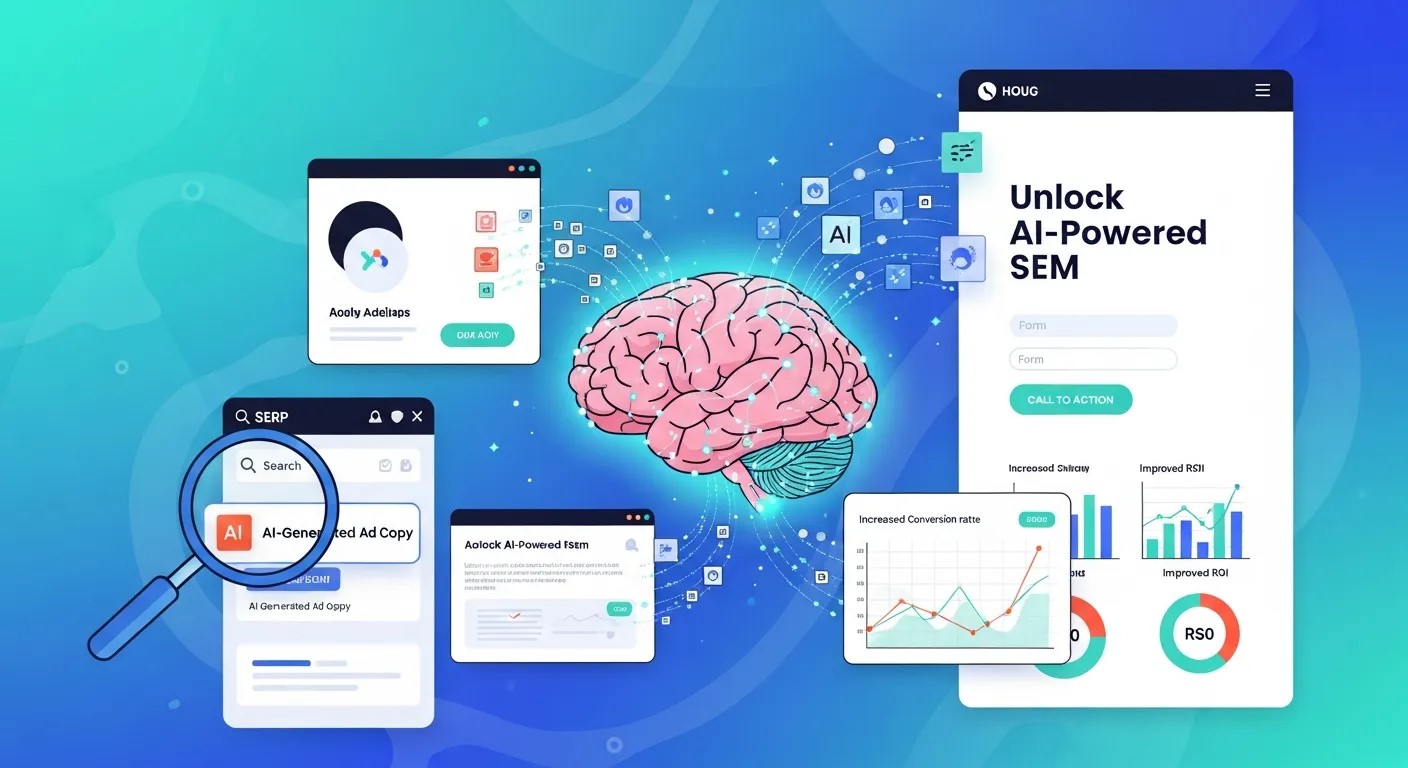
A crucial element of any AI-Powered SEM Strategies implementation is the optimization of landing pages. Even the best SEM campaigns can fail if users don’t find the landing page relevant or engaging. AI can analyze visitor behavior to suggest changes such as:
-
Optimal headline placement
-
Call-to-action positioning
-
Page layout adjustments based on device type
-
Content personalization based on user demographics
Example Table: Landing Page Metrics
| Metric | Current Performance | AI Suggested Improvement |
|---|---|---|
| Bounce Rate | 58% | Reduce to 35% with optimized CTAs |
| Average Time on Page | 1m 45s | Increase to 3m using dynamic content |
| Conversion Rate | 2.3% | Increase to 4.8% with predictive personalization |
Using AI in this manner ensures that your SEM campaigns don’t just attract clicks—they convert those clicks into measurable business results.
Dynamic Audience Segmentation
Audience segmentation is critical for maximizing the impact of AI-Powered SEM Strategies. AI tools can analyze hundreds of variables to identify micro-segments that are most likely to engage with your ads.
Methods for AI-Driven Segmentation:
-
Behavioral Segmentation: Users are grouped based on online actions like clicks, page views, and time spent.
-
Demographic Segmentation: AI assesses age, location, and language preferences for precise targeting.
-
Intent-Based Segmentation: Users showing purchase intent are prioritized for higher bids.
-
Lookalike Audiences: AI identifies patterns from high-value customers and finds similar potential leads.
Segmenting audiences dynamically ensures that ad spend is used efficiently, with campaigns reaching only the most promising prospects.
AI-Powered Ad Copy Optimization
Creating compelling ad copy is an art, but AI adds a science to it. AI-Powered SEM Strategies can analyze past performance, user language patterns, and competitor data to recommend ad copy that is more likely to convert.
Techniques Include:
-
A/B Testing at Scale: AI generates multiple variations of headlines and descriptions to determine the best performers.
-
Sentiment Analysis: Evaluates which emotional triggers drive engagement.
-
Contextual Relevance: Matches ad copy to the search query context to improve Quality Score.
By using AI to optimize ad copy, businesses can increase CTR and ROI without constantly guessing what resonates with their audience.
Multi-Channel Integration with AI
While SEM often focuses on search engines, integrating campaigns across multiple channels enhances performance. AI-Powered SEM Strategies allow for cross-channel coordination with platforms such as social media, display ads, and email marketing.
Benefits of Multi-Channel Integration:
-
Unified audience data for smarter targeting
-
Consistent messaging across all touchpoints
-
Improved attribution modeling to measure ROI accurately
-
Reduced redundancy in ad spend
For example, AI can identify that a user who clicks on a paid search ad is also engaging with your social media posts. Campaigns can then adjust bids to prioritize high-value users across channels.
Predictive Analytics in SEM Campaigns
One of the most powerful aspects of AI-Powered SEM Strategies is predictive analytics. AI algorithms can forecast which keywords, audiences, and times of day will yield the best results.
Example Use Cases:
-
Predicting peak conversion times to adjust bids
-
Identifying seasonal trends for keyword prioritization
-
Forecasting ROI based on historical campaign performance
Predictive analytics not only saves money but ensures campaigns are always targeting users who are most likely to convert.
Case Study Expansion: Retail Brand Using AI-Powered SEM Strategies
A global retail brand integrated AI-Powered SEM Strategies into their holiday campaign. Key actions included:
-
AI-Powered Bidding Strategies: Automated real-time bid adjustments for high-value products.
-
Landing Page Optimization: Personalized product recommendations increased average order value.
-
Dynamic Audience Segmentation: AI identified high-intent shoppers and prioritized their ad exposure.
Results Achieved:
-
50% increase in ROI compared to previous campaigns
-
25% reduction in overall ad spend
-
40% higher engagement on dynamic landing pages
This illustrates how combining multiple AI features can create a compounding effect on campaign success.
Leveraging AI-Powered Object Recognition for Product Ads

E-commerce businesses can significantly benefit from AI-Powered Object Recognition in their SEM campaigns. Object recognition allows AI to analyze which visual elements drive engagement and conversions.
Application Examples:
-
Identifying product images with highest click-through rates
-
Automatically tagging products for dynamic ad display
-
Customizing visual content for user preferences
By integrating these insights into AI-Powered SEM Strategies, marketers can create visually optimized campaigns that attract and convert more users.
Chatbot Marketing Analytics for SEM Optimization
Chatbot Marketing Analytics can be integrated into SEM campaigns to enhance targeting and personalization. AI analyzes user-chat interactions to identify trends, frequently asked questions, and potential objections.
Implementation Techniques:
-
Feed chatbot insights into AI-powered keyword selection
-
Tailor ad messaging based on top user queries
-
Track conversion paths and improve landing page design
This synergy ensures that SEM campaigns are not just targeted but also responsive to real user needs.
Optimizing Budget Allocation with AI
Proper budget allocation is crucial for maximizing ROI in AI-Powered SEM Strategies. AI evaluates performance data in real-time and reallocates spend to the highest-performing campaigns, keywords, or ad groups.
Key Advantages:
-
Reduces wasted ad spend on low-performing keywords
-
Prioritizes high-converting audience segments
-
Ensures optimal use of marketing budgets across campaigns
Table: AI Budget Allocation Example
| Campaign | Current Spend | AI Suggested Spend | Expected ROI Increase |
|---|---|---|---|
| Campaign A | $5000 | $6200 | +15% |
| Campaign B | $3500 | $2800 | +10% |
| Campaign C | $4500 | $5000 | +20% |
AI-driven budget allocation ensures maximum returns on investment while keeping campaigns agile and data-driven.
Leveraging AI-Powered Bidding Strategies for Maximum ROI
One of the most impactful ways businesses can optimize AI-Powered SEM Strategies is through AI-Powered Bidding Strategies. Traditional bidding often relies on intuition or manual adjustments, which can lead to wasted spend and missed opportunities. AI, however, analyzes historical data, competitor activity, and user behavior to make real-time bid adjustments.
For example, AI can detect that certain keywords perform better during specific times of the day or for particular demographics. By automatically adjusting bids based on this insight, marketers can ensure that each ad dollar is spent efficiently. Moreover, integrating insights from Organic Search Engine Marketing allows AI to prioritize high-converting terms across both paid and organic campaigns.
Benefits of AI-Powered Bidding
-
Dynamic bid optimization ensures campaigns adapt in real-time.
-
Budget is allocated efficiently, reducing costs for low-performing keywords.
-
Predictive insights help marketers anticipate trends and capitalize on high-value traffic.
By combining AI-Powered Bidding Strategies with solid Search Engine Optimization Skills, businesses can create campaigns that are both cost-effective and highly targeted.
Optimizing Landing Pages with AI Insights
Even with perfectly managed SEM campaigns, a poorly optimized landing page can drastically reduce ROI. AI plays a vital role in ensuring that pages convert visitors into customers effectively. AI-Powered SEM Strategies integrate insights from visitor behavior, predictive analytics, and even Chatbot Marketing Analytics to enhance user experience.
Some actionable improvements AI can suggest include:
-
Adjusting call-to-action placement based on user scrolling behavior
-
Recommending personalized product suggestions for e-commerce users
-
Modifying content layout depending on device type or location
Example Table: AI-Optimized Landing Page Metrics
| Metric | Before AI Optimization | After AI Optimization | Improvement |
|---|---|---|---|
| Bounce Rate | 55% | 30% | -25% |
| Avg. Time on Page | 1:40 min | 3:05 min | +85% |
| Conversion Rate | 2.1% | 4.5% | +2.4% |
By leveraging AI, businesses ensure that their AI-Powered SEM Strategies are not just about attracting clicks but converting them into meaningful actions, improving overall ROI.
Dynamic Audience Segmentation for Smarter Targeting
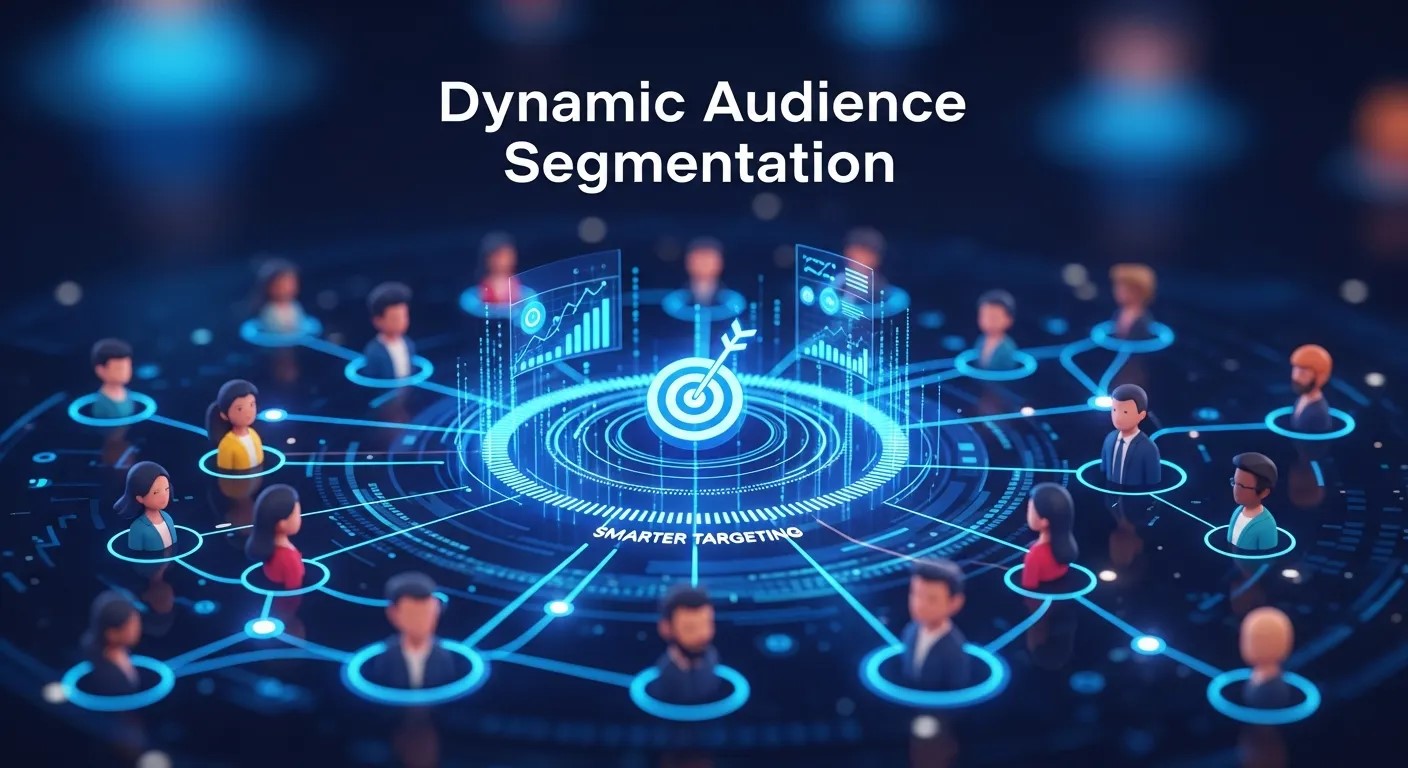
Audience targeting is a cornerstone of successful AI-Powered SEM Strategies. AI enables marketers to segment audiences more effectively than ever before, using behavioral data, demographics, and intent signals. These insights can then inform Search Engine Marketing Campaigns to ensure that ads reach the right people at the right time.
Key Approaches:
-
Behavior-Based Segmentation: Identifies patterns in user activity to prioritize high-intent visitors.
-
Demographic & Location Targeting: Optimizes campaigns for age, location, and device preferences.
-
Lookalike Audiences: AI predicts new potential customers based on the traits of existing high-value clients.
Using AI for audience segmentation ensures that campaigns are hyper-targeted, reducing wasted spend while increasing the likelihood of conversions.
Conclusion
Implementing AI-Powered SEM Strategies transforms traditional search campaigns into highly efficient, data-driven marketing efforts. By combining predictive bidding, audience insights, and AI-driven optimization, businesses can maximize ROI, reduce wasted spend, and deliver more meaningful conversions. Integrating these strategies with strong SEO and analytics ensures campaigns remain adaptive, competitive, and future-ready in an ever-evolving digital landscape.
Frequently Asked Questions (FAQ)
What are AI-Powered SEM Strategies?
AI-Powered SEM Strategies use artificial intelligence and machine learning to optimize search engine marketing campaigns. They automate bidding, predict high-converting keywords, and adjust campaigns in real-time to maximize ROI.
How do AI-Powered Bidding Strategies improve campaign performance?
AI-Powered Bidding Strategies analyze historical data, user behavior, and competition to adjust bids dynamically. This ensures ad spend is allocated efficiently, targeting high-value audiences for better conversions.
Can AI-Powered SEM Strategies work alongside Organic Search Engine Marketing?
Yes. Combining AI-driven paid campaigns with Organic Search Engine Marketing ensures holistic visibility, improved keyword selection, and consistent messaging across both paid and organic channels.
How does AI help with landing page optimization?
AI analyzes user behavior, predicts visitor preferences, and recommends content adjustments, call-to-action placement, and design improvements to increase engagement and conversion rates.
What role do Chatbot Marketing Analytics play in SEM campaigns?
Integrating Chatbot Marketing Analytics with SEM campaigns provides insights into user intent, frequently asked questions, and conversion paths. This data helps refine ad messaging and improve campaign efficiency.
How can AI-Powered Object Recognition enhance ads?
AI-Powered Object Recognition analyzes images and videos to identify elements that drive engagement, allowing marketers to create visually optimized ads that attract and convert users effectively.
Is AI-Powered SEM suitable for small businesses?
Absolutely. AI-Powered SEM Strategies scale according to business size, allowing small businesses to optimize campaigns, reduce wasted spend, and compete effectively with larger competitors.



Leave a Reply