


Introduction to Modern Paid Search
Search engines have become the primary gateway to information, products, and services. Every day, billions of searches happen across platforms like Google and Bing. Businesses compete for visibility, and paid search allows them to reach the right audience at the right time. A well-structured SEM Training Guide helps beginners understand how search ads work, why they matter, and how to use them effectively.
Paid search is not just about placing ads. It is about understanding user intent, crafting persuasive messages, and delivering relevant experiences. This SEM Training Guide focuses on the psychology behind search behavior, practical strategies, and step-by-step processes that help beginners build strong campaigns.
Search Engine Marketing (SEM) includes both paid search advertising and optimization strategies that improve visibility in search engine results. However, most modern marketers use the term SEM to describe paid search campaigns such as Google Ads.
A clear SEM Training Guide helps you:
- Understand the basics of paid search
- Learn how keywords trigger ads
- Build campaigns that convert
- Optimize performance over time
When beginners follow a structured SEM Training Guide, they avoid common mistakes and build campaigns that deliver measurable results.
Understanding the Foundations of SEM

What is Search Engine Marketing?
Search Engine Marketing is the practice of promoting websites through paid advertisements that appear on search engine results pages. These ads are triggered by keywords users type into the search bar.
A good SEM Training Guide teaches that SEM is not only about spending money. It is about targeting, relevance, and user intent. If your ad matches what the user wants, the chances of conversion increase significantly.
Why SEM Matters in Modern Marketing
Organic traffic takes time. SEO can take months to produce consistent results. Paid search, on the other hand, can deliver immediate visibility.
A practical SEM Training Guide explains the main benefits:
- Instant traffic to your website
- Highly targeted audience
- Measurable performance
- Scalable growth
- Budget control
Businesses use SEM because it connects them with users who are actively searching for solutions.
How Paid Search Works
The Auction System
Every time someone searches on Google, an auction takes place. Advertisers bid on keywords, and the search engine determines which ads appear and in what order.
A complete SEM Training Guide explains the three main factors:
- Bid amount
- Ad relevance
- Landing page quality
Together, these factors determine the Ad Rank.
Quality Score and Its Importance
Quality Score is a rating given by search engines based on:
- Expected click-through rate
- Ad relevance
- Landing page experience
A strong SEM Training Guide shows that a higher Quality Score means:
- Lower cost per click
- Better ad positions
- Higher return on investment
Understanding User Psychology in SEM
Successful campaigns are built on human behavior. People search with intent. They may want information, comparison, or immediate purchase.
A powerful SEM Training Guide focuses on three main search intents:
| Search Intent | Example Query | User Goal |
|---|---|---|
| Informational | “What is SEM” | Learn something |
| Navigational | “Google Ads login” | Go to a specific site |
| Transactional | “Buy running shoes online” | Make a purchase |
When ads match the user’s intent, performance improves.
Setting Up Your First Campaign
Step 1: Define Your Goal
Before creating ads, a SEM Training Guide recommends defining your objective.
Common goals include:
- Website traffic
- Lead generation
- Product sales
- Brand awareness
Your goal determines your campaign structure and bidding strategy.
Step 2: Keyword Research
Keywords are the foundation of any campaign. A strong SEM Training Guide explains that keyword selection determines who sees your ads.
Types of keywords:
- Broad match
- Phrase match
- Exact match
- Negative keywords
At this stage, many marketers search for the Winning Keyword for Paid Search because the right keyword can significantly increase conversions.
Step 3: Structuring Campaigns and Ad Groups
A structured SEM Training Guide recommends organizing campaigns like this:
Campaign: Main objective
Ad Group: Keyword theme
Ads: Specific messages
Example:
| Campaign | Ad Group | Keywords |
|---|---|---|
| Running Shoes | Men’s Running Shoes | buy men’s running shoes |
| Running Shoes | Women’s Running Shoes | women’s running shoes sale |
This structure improves relevance and Quality Score.
Writing High-Converting Ad Copy
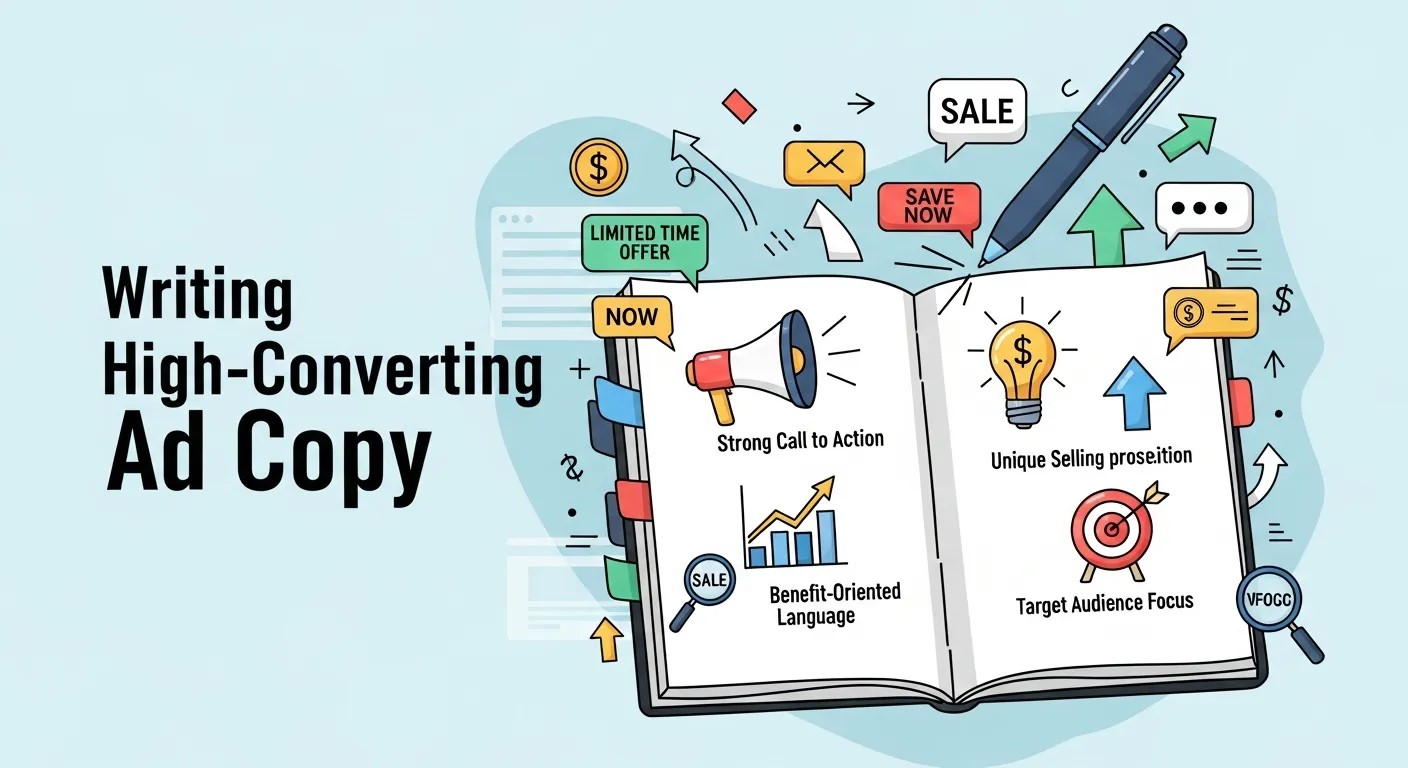
Ad copy is the bridge between the user’s search and your website.
A strong SEM Training Guide focuses on:
- Clear headlines
- Emotional triggers
- Strong call-to-action
- Value propositions
Psychological Triggers That Work
- Urgency: “Limited time offer”
- Social proof: “Trusted by 10,000 users”
- Savings: “Save 30% today”
- Convenience: “Free delivery”
Human psychology plays a central role in successful paid search campaigns.
Landing Page Optimization
Your ad brings the visitor. The landing page converts them.
A complete SEM Training Guide emphasizes:
- Message match between ad and page
- Fast loading speed
- Clear call-to-action
- Mobile responsiveness
Poor landing pages increase costs and reduce conversions.
Automated Bidding
The platform adjusts bids automatically.
Common automated strategies:
- Maximize clicks
- Target CPA
- Target ROAS
A professional SEM Specialist understands when to use each strategy based on campaign goals.
Budgeting and Cost Control
One of the biggest advantages of paid search is budget flexibility.
A practical SEM Training Guide suggests:
- Start with a small daily budget
- Test multiple ad groups
- Scale what works
- Pause low performers
Example Budget Allocation
| Campaign Type | Daily Budget | Goal |
|---|---|---|
| Brand Campaign | $10 | Protect brand searches |
| Product Campaign | $30 | Drive sales |
| Remarketing | $15 | Convert past visitors |
Measuring Performance
Data is the backbone of SEM.
A structured SEM Training Guide focuses on key metrics:
- Click-through rate (CTR)
- Cost per click (CPC)
- Conversion rate
- Cost per acquisition (CPA)
- Return on ad spend (ROAS)
Tracking these metrics helps improve campaign performance.
The Role of Automation and AI in SEM
Modern SEM is driven by automation and artificial intelligence.
Platforms now use machine learning to:
- Adjust bids
- Target audiences
- Optimize ad placements
This shift has enabled Hyper-Personalization at Scale, allowing advertisers to deliver tailored messages to specific user segments.
Predictive Analytics in Paid Search
Predictive technology is changing how marketers plan campaigns.
By Harnessing Predictive Analytics, advertisers can:
- Forecast conversion trends
- Adjust budgets in advance
- Identify high-value keywords
- Improve bidding strategies
A forward-thinking SEM Training Guide includes predictive tools as part of long-term optimization.
Building a Long-Term SEM Strategy
Short-term campaigns can drive traffic, but long-term strategies build sustainable growth.
A strategic SEM Training Guide focuses on:
- Continuous testing
- Data-driven decisions
- Keyword expansion
- Audience segmentation
- Automation tools
Over time, campaigns become more efficient and profitable.
The Evolution of Paid Search
SEM has evolved significantly over the past decade.
Earlier, advertisers relied heavily on manual bidding and simple text ads. Today, automation, machine learning, and user behavior data shape campaigns.
This evolution is part of what many marketers refer to as SEM Demystified, where complex processes become more accessible through automation and intelligent systems.
Daily Workflow of an SEM Specialist
Understanding the role helps beginners see the bigger picture.
Typical daily tasks include:
| Task | Description |
|---|---|
| Campaign monitoring | Checking performance metrics |
| Bid adjustments | Optimizing costs |
| Keyword research | Finding new opportunities |
| Ad testing | Improving click-through rates |
| Reporting | Analyzing results |
A skilled SEM Specialist combines technical knowledge with marketing psychology.
Tools Every Beginner Should Know
A practical SEM Training Guide includes essential tools:
Keyword Research Tools
- Google Keyword Planner
- Ubersuggest
- SEMrush
Analytics Tools
- Google Analytics
- Google Ads dashboard
Optimization Tools
- Conversion tracking
- Heatmap tools
- A/B testing platforms
Creating a Learning Roadmap
Beginners often feel overwhelmed. A structured SEM Training Guide helps break learning into stages.
Stage 1: Fundamentals
- Understand SEM basics
- Learn keyword types
- Study ad structure
Stage 2: Campaign Creation
- Set up Google Ads account
- Build your first campaign
- Write ad copy
Stage 3: Optimization
- Analyze metrics
- Improve ads
- Adjust bids
Stage 4: Advanced Strategies
- Automation
- Audience targeting
- Predictive analytics
Real-World Example: Beginner Campaign
Imagine a small online shoe store.
Campaign Setup
| Element | Example |
|---|---|
| Goal | Online sales |
| Budget | $20/day |
| Keywords | buy running shoes, running shoes sale |
| Ad Copy | “Buy Running Shoes – Free Delivery” |
| Landing Page | Product category page |
Following a structured SEM Training Guide, the store can:
- Start small
- Track conversions
- Scale profitable keywords
The Future of SEM
The future of paid search is shaped by:
- Voice search
- AI automation
- Audience-based targeting
- Privacy-focused tracking
A forward-looking SEM Training Guide prepares marketers for these changes by focusing on strategy rather than just tools.
Advanced Keyword Strategies for Paid Search
While beginners start with core keywords, advanced SEM campaigns require a deeper understanding of keyword dynamics. Your SEM Training Guide should emphasize both short-tail and long-tail keywords to capture diverse search intent.
- Short-tail keywords: High search volume, high competition
- Long-tail keywords: Lower search volume, higher intent
Advanced SEM specialists often focus on Winning Keyword for Paid Search, identifying terms that are most likely to convert while keeping cost-per-click manageable. Keyword research should be ongoing; new trends, seasonal shifts, and competitor activity can impact performance.
Additionally, dynamic search ads can automatically generate headlines and match user queries to the right landing page, making keyword management easier for large inventories or evolving product lines. Beginners following this SEM Training Guide will appreciate how automation reduces manual effort while improving reach.
Audience Segmentation for Better Campaign Performance
Not all visitors are equal. Understanding your audience is essential for effective SEM. Segmenting users based on demographics, behavior, and purchase history allows precise targeting.
- Demographics: Age, gender, location
- Behavioral data: Previous purchases, page visits
- Intent signals: Recent search queries or interactions
This segmentation enables hyper-personalization at scale, delivering tailored ads that resonate with individual users. For example, a campaign for “women’s running shoes” can target users who previously searched for fitness products, increasing the likelihood of conversion.
A strong SEM Training Guide emphasizes the combination of audience segmentation and predictive analytics. By analyzing historical data, marketers can forecast which users are most likely to convert and allocate budget accordingly.
Remarketing: Turning Visitors into Customers
Remarketing is a cornerstone of advanced SEM. Many users don’t convert on the first visit. With remarketing, advertisers can reconnect with previous visitors through tailored ads, encouraging them to return and complete a purchase.
Types of remarketing:
- Standard remarketing: Show ads to users who visited your site.
- Dynamic remarketing: Show ads featuring specific products the user viewed.
- Customer list remarketing: Target existing customers via email or CRM data.
A well-structured SEM Training Guide teaches beginners that remarketing campaigns often yield higher ROI because the audience is already familiar with your brand.
Understanding Ad Extensions
Ad extensions enhance your text ads with additional information, making them more compelling and clickable.
Common ad extensions include:
- Sitelink extensions: Links to specific pages
- Call extensions: Add phone numbers
- Location extensions: Show business address
- Price extensions: Display pricing information
- Promotion extensions: Highlight special offers
Using extensions strategically improves CTR, Quality Score, and overall ad performance. Advanced SEM specialists often experiment with combinations to see what drives the best results.
Multi-Channel Paid Search Strategy
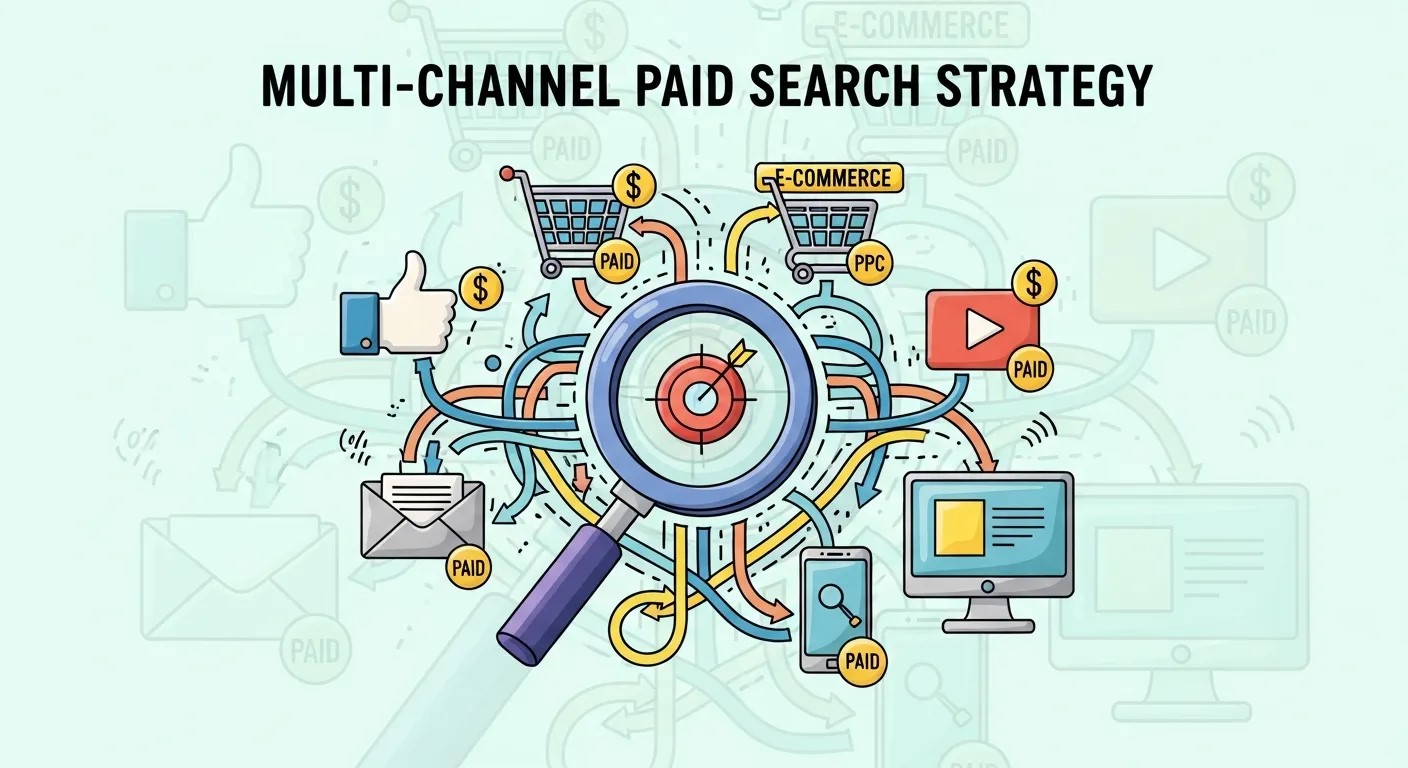
While Google Ads is the most popular platform, a comprehensive SEM Training Guide covers other channels, including:
- Bing Ads: Often lower CPC, smaller but valuable audience
- YouTube Ads: Visual search and video content
- Amazon Sponsored Ads: For product-based campaigns
- LinkedIn Ads: B2B-focused targeting
Multi-channel campaigns allow advertisers to diversify risk, reach new audiences, and optimize budget allocation across platforms. This approach is increasingly important as the digital landscape evolves.
Leveraging Predictive Analytics in Campaign Planning
Predictive analytics goes beyond reporting past performance. It uses AI and historical data to anticipate future trends, including:
- Keyword performance forecasting
- Conversion probability per audience segment
- Budget optimization for peak performance
Synthetic Data allows marketers to make proactive decisions, rather than reactive adjustments. For beginners, the SEM Training Guide illustrates how small-scale predictive insights can inform everyday campaign choices and long-term strategy.
Conversion Rate Optimization (CRO) Techniques
Generating traffic is only part of the SEM equation. Converting that traffic into leads or sales is equally important.
CRO focuses on optimizing landing pages and user flows:
- A/B testing headlines and CTAs
- Streamlining forms to reduce friction
- Optimizing page speed for mobile users
- Using trust signals like reviews or certifications
An effective SEM Training Guide integrates CRO principles throughout, ensuring campaigns maximize return on investment.
Campaign Tracking and Analytics
Data tracking is essential to SEM success. Beginners should understand how to measure the performance of each ad, keyword, and landing page.
Key metrics include:
| Metric | Purpose |
|---|---|
| CTR (Click-Through Rate) | Measures ad engagement |
| CPC (Cost Per Click) | Determines efficiency of spend |
| Conversion Rate | Tracks user actions on site |
| CPA (Cost Per Acquisition) | Evaluates cost-effectiveness |
| ROAS (Return on Ad Spend) | Assesses revenue generated per dollar spent |
Using tools like Google Analytics, Google Tag Manager, and platform-specific dashboards, SEM specialists can continuously refine campaigns.
Advanced SEM campaigns may also use multi-touch attribution, which helps understand how different touchpoints contribute to conversions. This is a critical part of an SEM Training Guide for any beginner who wants to grow into an expert.
Industry-Specific SEM Tactics
Every industry has unique considerations. A robust SEM Training Guide addresses common tactics by niche:
- E-commerce: Focus on product-specific keywords, dynamic search ads, and shopping campaigns.
- B2B services: Target decision-makers on platforms like LinkedIn; use high-intent keywords.
- Local businesses: Utilize location targeting and Google Maps extensions.
- Education: Optimize for informational searches; leverage remarketing to nurture leads.
By tailoring campaigns to industry-specific patterns, marketers maximize efficiency and relevance.
Scaling Campaigns Successfully
Once campaigns are optimized, scaling is the next challenge. A SEM Training Guide outlines a step-by-step approach:
- Identify top-performing ad groups.
- Expand winning keywords to new variations.
- Increase budget gradually to maintain ROI.
- Test new ad formats or platforms.
- Monitor KPIs closely to prevent overspending.
Scaling is not just about increasing spend; it’s about maintaining control and performance as campaigns grow.
SEM Automation and AI Tools
Automation is transforming paid search. Platforms now offer AI-driven bidding, predictive targeting, and automated ad creation.
Key tools and features:
- Automated bid strategies: Maximize clicks, conversions, or ROAS automatically.
- Responsive search ads: Automatically test combinations of headlines and descriptions.
- Dynamic search ads: Automatically generate ads based on website content.
Incorporating automation into a SEM Training Guide ensures beginners learn how technology enhances efficiency without compromising control.



Leave a Reply