


SEM Demystified explains how paid search turns user intent into measurable results through strategic keyword targeting, smart bidding, automation, and optimization. It highlights the psychology, analytics, and evolving tools behind effective search engine marketing campaigns.
Understanding the Real Power Behind Paid Search
In the digital age, visibility is everything. Businesses compete for attention across search engines, social platforms, and content channels. Yet, one of the most effective and direct ways to reach high-intent audiences is through paid search. SEM Demystified explores how search engine marketing turns user intent into measurable business outcomes. Instead of relying on guesswork, SEM provides a structured, data-driven path to visibility and conversions.
Many businesses assume paid search is only about bidding for top positions, but SEM Demystified reveals a much deeper strategy. It involves understanding search behavior, selecting the right keywords, crafting persuasive ads, and optimizing campaigns continuously. When executed properly, search engine marketing becomes a predictable growth engine rather than an experimental tactic.
The concept behind SEM Demystified is simple: meet users at the exact moment they are searching for solutions. Whether someone is looking for a product, a service, or information, paid search places your brand in front of them at the most critical decision-making point. This direct alignment between intent and visibility is what makes search engine marketing so powerful.
What Is Search Engine Marketing?
SEM Demystified begins with a clear definition of search engine marketing. At its core, SEM is the process of promoting websites by increasing their visibility in search engine results through paid advertisements. These ads appear above or alongside organic search results, targeting users based on specific keywords and search queries.
Unlike traditional advertising, where messages are pushed to a broad audience, SEM Demystified focuses on intent-based targeting. This means ads are shown only when users search for relevant terms. For example, a person searching for “best running shoes” is already expressing interest, making them far more likely to engage with a relevant ad.
Understanding the difference between organic search and paid search is essential in SEM Demystified. Organic search relies on search engine optimization, which takes time and consistent effort. Paid search, on the other hand, offers immediate visibility and control over messaging, targeting, and budget.
How Paid Search Really Works
SEM Demystified explains that paid search operates on an auction system. Every time a user enters a query, search engines run a real-time auction to determine which ads appear and in what order. This process considers multiple factors, including bid amount, ad quality, and expected user experience.
At the center of this system is the selection of a winning keyword for paid search. Marketers must research and choose keywords that reflect user intent while balancing competition and cost. A well-chosen keyword can generate consistent traffic, while a poorly chosen one can drain budgets without delivering results.
The SEM Demystified approach emphasizes that the highest bid does not always win. Search engines prioritize relevance and quality. Ads that closely match the user’s search intent often outperform higher-bid competitors, making strategy more important than spending power.
The Psychology Behind Search Behavior

One of the most overlooked aspects of paid search is human psychology. SEM Demystified focuses not only on technical setup but also on understanding why people search and what motivates them to click.
Users typically search with one of three intents: informational, navigational, or transactional. SEM Demystified shows that successful campaigns align ad messaging with these intents. For instance, a transactional query like “buy wireless headphones” requires a direct, action-oriented ad, while an informational query demands educational content.
Modern campaigns also borrow insights from social media strategies, where engagement patterns reveal what resonates with audiences. By analyzing tone, emotion, and messaging performance across platforms, marketers can create search ads that feel more relevant and persuasive.
The Role of Keywords in SEM Success
Keywords are the backbone of any paid search campaign. SEM Demystified highlights that effective keyword strategies go beyond simply selecting high-volume terms. The goal is to identify keywords that reflect real customer intent and align with business objectives.
Search engines allow advertisers to choose different match types, including broad match, phrase match, and exact match. SEM Demystified explains that each match type offers different levels of control and reach. A balanced keyword strategy often combines multiple match types to capture both broad traffic and highly targeted searches.
In addition to manual keyword selection, platforms now offer automation features like dynamic search ads. These ads automatically generate headlines and landing page links based on website content, helping marketers capture additional search opportunities without manually selecting every keyword.
Campaign Structure and Ad Creation
A well-structured campaign is essential for performance. SEM Demystified emphasizes organizing campaigns into logical groups based on products, services, or audience segments. This structure ensures that each ad is highly relevant to the keywords it targets.
Ad copy plays a critical role in attracting clicks. SEM Demystified recommends focusing on clarity, value propositions, and strong calls to action. Users should immediately understand what the ad offers and why it is relevant to their search.
An experienced SEM specialist understands how to combine data insights with creative messaging. They test multiple ad variations, analyze performance metrics, and continuously refine campaigns to improve results. This balance of analysis and creativity is central to SEM success.
Bidding Strategies and Budget Control
Budget management is a core element of SEM Demystified. Paid search platforms offer various bidding strategies, including manual cost-per-click bidding and automated strategies powered by machine learning.
Manual bidding provides full control over individual keyword bids, making it useful for experienced advertisers. Automated strategies, on the other hand, rely on Synthetic Data to adjust bids in real time based on user behavior, competition, and conversion likelihood.
SEM Demystified explains that the best approach often combines both methods. Advertisers may start with manual bidding to gather data and then switch to automated strategies once sufficient performance insights are available.
Targeting the Right Audience
Audience targeting has become increasingly sophisticated in modern paid search. SEM Demystified shows how advertisers can refine their campaigns by targeting users based on demographics, interests, device type, and past interactions.
One of the most advanced approaches is hyper-personalization at scale. This technique uses data and automation to deliver highly tailored ad experiences to individual users. Instead of showing the same ad to everyone, campaigns dynamically adjust messaging based on user behavior and preferences.
By combining audience insights with keyword targeting, SEM Demystified ensures that ads reach users who are most likely to convert, improving both efficiency and return on investment.
Tracking Performance and Measuring Results
No SEM strategy is complete without performance tracking. SEM Demystified highlights the importance of analytics in understanding what works and what needs improvement.
Key performance indicators typically include:
- Click-through rate (CTR)
- Conversion rate
- Cost per conversion
- Return on ad spend (ROAS)
By monitoring these metrics, marketers can identify trends, optimize bids, refine keywords, and adjust ad copy. SEM Demystified treats analytics as a continuous feedback loop rather than a one-time process.
The Integration of SEM With Overall Marketing Strategy
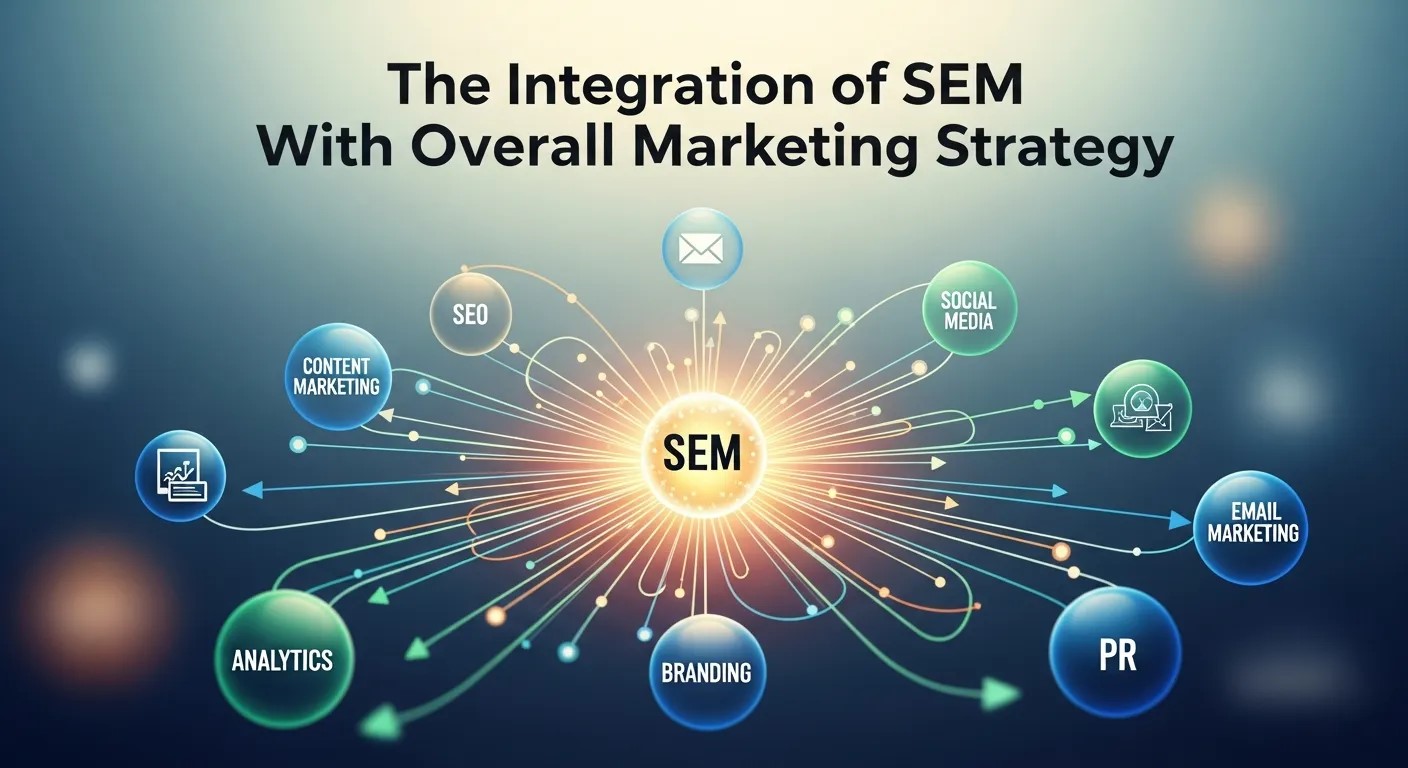
Paid search does not exist in isolation. SEM Demystified emphasizes the importance of integrating SEM with broader digital marketing efforts. When combined with SEO, content marketing, and social media, paid search becomes even more effective.
For example, insights from SEM campaigns can reveal high-performing keywords that should be targeted in organic content. Similarly, social campaigns can build awareness, while paid search captures high-intent traffic ready to convert.
This integrated approach ensures that every marketing channel supports the others, creating a cohesive strategy that drives consistent growth.
Advanced Keyword Research: Moving Beyond Basic Targeting
As campaigns mature, basic keyword lists often fail to deliver sustainable results. SEM Demystified goes deeper into advanced keyword research methodologies that focus on intent layering rather than volume chasing. Instead of asking how many people search a keyword, the smarter question is why they search it.
High-performing campaigns often revolve around long-tail queries that signal readiness to act. SEM Demystified highlights that phrases with lower search volume frequently outperform broad keywords because they capture users closer to decision-making. These keywords reduce wasted spend and improve conversion efficiency.
Search term reports play a critical role here. By continuously analyzing real user queries, SEM Demystified allows advertisers to refine keyword lists, add negative keywords, and identify new growth opportunities that competitors may overlook.
Mapping Keywords to the Buyer Journey
Not all searches represent the same mindset. SEM Demystified emphasizes aligning keywords with different stages of the buyer journey: awareness, consideration, and decision.
Awareness-stage searches are often exploratory. These users are learning, comparing, or researching options. SEM Demystified suggests softer messaging for these keywords, focusing on education and value rather than direct selling.
Decision-stage searches, on the other hand, require assertive messaging. Pricing, urgency, guarantees, and trust signals become critical. By mapping keywords to intent stages, SEM Demystified ensures ads feel relevant rather than intrusive.
Landing Page Optimization for Paid Search
Traffic alone does not guarantee results. SEM Demystified strongly emphasizes that landing pages must align perfectly with ad intent. When users click an ad and land on a mismatched page, bounce rates increase and quality scores suffer.
A high-converting landing page follows a clear structure:
- A headline that mirrors the search intent
- Supporting copy that reinforces value
- A single, focused call to action
- Minimal distractions
SEM Demystified treats landing pages as conversion assets, not just destinations. Each page should be optimized for speed, clarity, and relevance, ensuring users feel confident taking the next step.
Quality Score and Its Impact on Performance
One of the most misunderstood aspects of paid search is quality score. SEM Demystified explains that quality score directly influences ad rank and cost efficiency. Higher relevance often results in lower cost per click and better visibility.
Quality score is shaped by:
- Expected click-through rate
- Ad relevance
- Landing page experience
SEM Demystified frames quality score as a reflection of user satisfaction. When ads genuinely help users find what they’re looking for, search engines reward that experience.
Bid Adjustments and Smart Budget Allocation
As campaigns grow, blanket bidding strategies become inefficient. SEM Demystified introduces granular bid adjustments based on device, location, time of day, and audience behavior.
For example, mobile users may convert differently than desktop users. SEM Demystified recommends analyzing performance data before adjusting bids rather than relying on assumptions. Small adjustments, when applied strategically, can significantly improve overall efficiency.
Budget allocation should also follow performance trends. High-performing campaigns deserve more investment, while underperforming segments should be optimized or paused. SEM Demystified treats budget as a dynamic resource, not a fixed limit.
Automation and Machine Learning in SEM
Modern paid search platforms rely heavily on automation. SEM Demystified clarifies that automation is not about losing control but about scaling smarter decisions.
Automated bidding strategies use real-time data to adjust bids based on conversion probability. By harnessing predictive analytics, platforms can anticipate which searches are most likely to convert and allocate budget accordingly.
However, SEM Demystified warns against blind automation. Human oversight remains essential. Successful marketers guide automation with clear goals, clean data, and strategic constraints.
Audience Segmentation and Remarketing
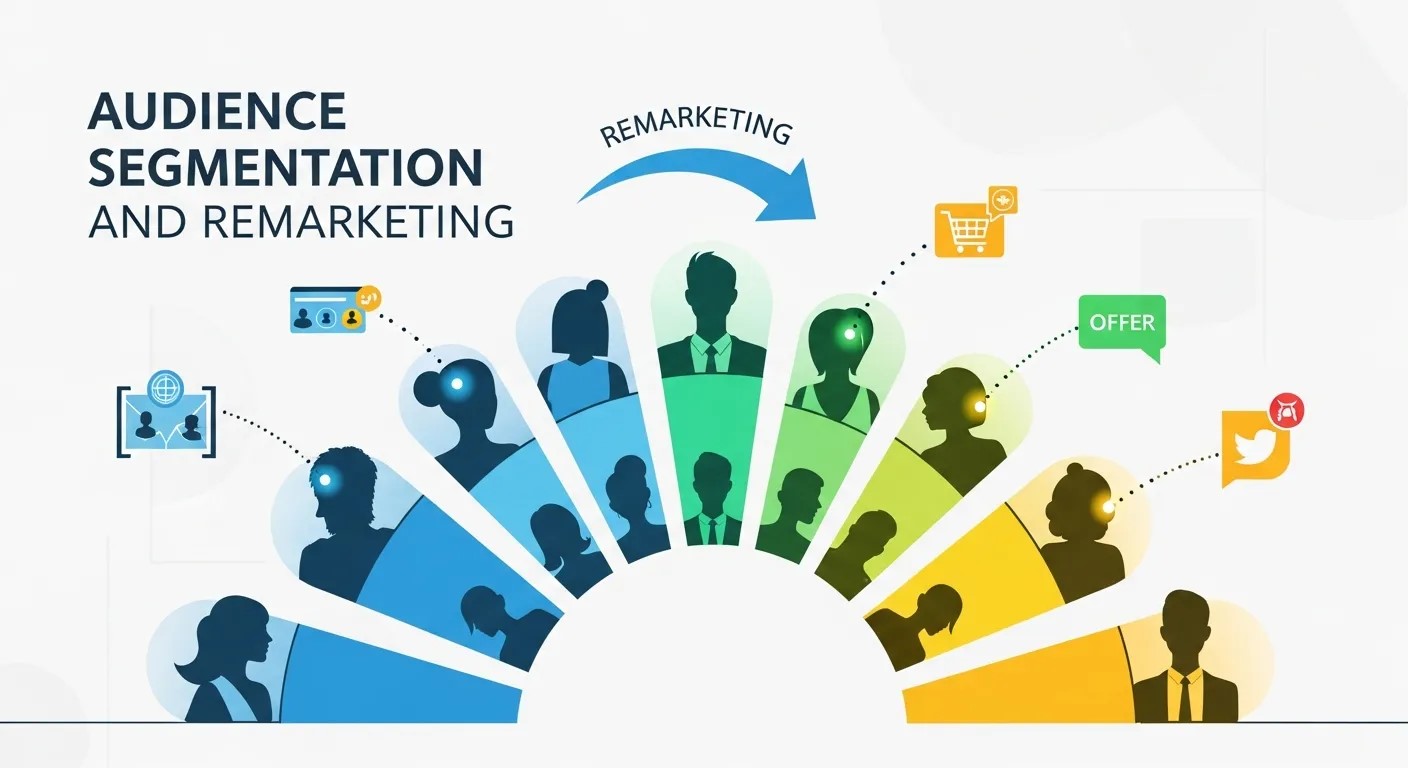
Remarketing is a powerful tool when used correctly. SEM Demystified explains that users who have already interacted with a brand are far more likely to convert than first-time visitors.
By segmenting audiences based on behavior, advertisers can tailor messaging accordingly. Someone who viewed a product page requires a different message than someone who abandoned a cart. SEM Demystified ensures that remarketing ads feel timely and relevant rather than repetitive.
Audience data also enables deeper personalization, improving engagement without increasing ad spend.
Scaling Campaigns Without Losing Efficiency
Scaling is where many paid search campaigns fail. SEM Demystified highlights that growth should be intentional, not aggressive. Increasing budget without refining targeting often leads to diminishing returns.
Smart scaling involves:
- Expanding keyword sets carefully
- Testing new audiences gradually
- Improving conversion rates before increasing spend
SEM Demystified frames scaling as a controlled process that prioritizes profitability over visibility alone.
Cross-Channel Insights and SEM Evolution
Paid search does not operate in isolation. SEM Demystified emphasizes learning from other channels to improve performance. Insights from email campaigns, content engagement, and paid social can reveal messaging patterns that resonate with audiences.
As digital ecosystems evolve, SEM Demystified adapts by incorporating behavioral data, contextual signals, and AI-driven insights. This evolution ensures paid search remains effective even as user behavior shifts.
A/B Testing and Continuous Optimization
No paid search campaign reaches peak performance without consistent testing. SEM Demystified shows that optimization is not a one-time action but a continuous cycle of experimentation and improvement. Even small changes in headlines, descriptions, or calls to action can significantly affect click-through and conversion rates.
A/B testing allows advertisers to compare different versions of ads and landing pages. SEM Demystified recommends testing one variable at a time, such as headline phrasing or value propositions, to clearly identify what influences user behavior. This approach prevents confusion and produces more reliable insights.
Successful testing strategies rely on patience and data. SEM Demystified encourages marketers to collect enough performance data before making decisions. Premature conclusions can lead to ineffective changes and wasted budgets.
The Role of Ad Copy Psychology
Compelling ad copy is often the difference between a click and a scroll. SEM Demystified emphasizes the importance of psychological triggers in paid search messaging. Words that create urgency, trust, or curiosity tend to perform better because they align with natural human decision-making patterns.
For example, phrases that highlight limited-time offers, social proof, or guaranteed outcomes often generate stronger responses. SEM Demystified explains that users scanning search results make quick decisions, so clarity and emotional relevance matter more than clever wording.
Ad copy should always reflect the user’s intent. SEM Demystified recommends mirroring the language of the search query in the ad text. This creates a sense of familiarity and increases the likelihood of engagement.
Competitive Analysis and Market Positioning
Understanding competitors is a crucial part of any successful campaign. SEM Demystified encourages advertisers to analyze competing ads, keyword strategies, and messaging patterns to identify gaps in the market.
By studying competitor behavior, marketers can discover underserved keywords or unique value propositions. SEM Demystified frames competitive analysis not as imitation but as strategic differentiation. The goal is to offer something clearer, faster, or more valuable than competing ads.
Regular competitor reviews also help campaigns stay adaptable. Markets shift, trends change, and new players enter the field. SEM Demystified ensures campaigns evolve alongside these changes rather than falling behind.
Future Trends Shaping Search Engine Marketing
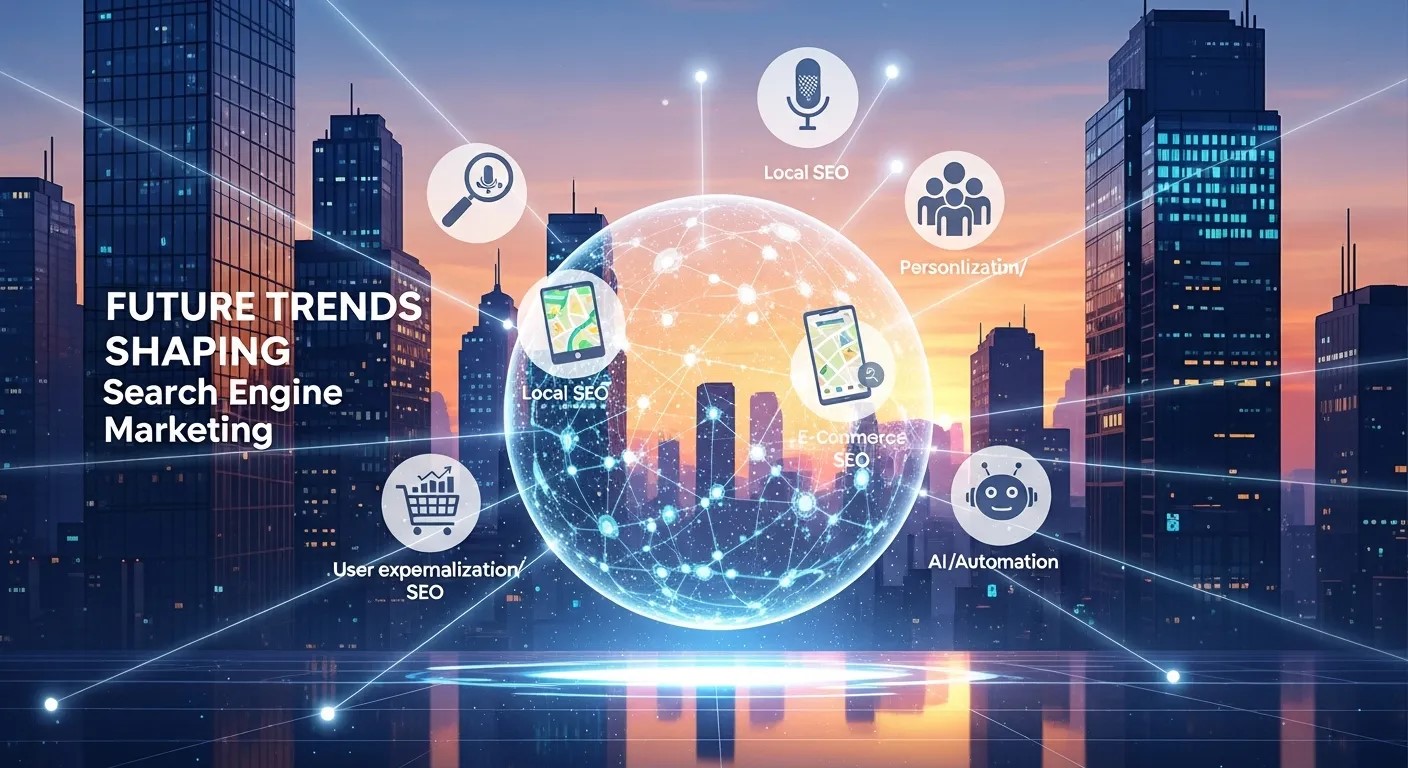
Search engine marketing continues to evolve rapidly. SEM Demystified highlights several trends that are reshaping the industry, including voice search, AI-driven automation, and more personalized ad experiences.
As search engines become smarter, campaigns will rely more on data and machine learning. SEM Demystified predicts that future strategies will focus less on manual keyword management and more on intent-based targeting powered by algorithms.
Voice search is another major shift. Users now ask full questions rather than typing short phrases. SEM Demystified explains that this trend will push advertisers to optimize for conversational queries and natural language patterns.
Conclusion
SEM Demystified shows that paid search is far more than a simple advertising tool. It is a strategic system built on data, psychology, and continuous optimization. When businesses understand user intent, choose the right keywords, craft relevant ads, and refine their campaigns with analytics, paid search becomes a powerful engine for consistent growth.
Throughout SEM Demystified, one clear message stands out: success in search engine marketing depends on relevance and adaptability. Markets evolve, user behavior shifts, and technology advances, but campaigns that focus on value, precision, and measurable results remain effective over time. By combining smart keyword strategies, compelling ad copy, optimized landing pages, and intelligent automation, businesses can turn clicks into meaningful conversions.
Frequently Asked Questions (FAQ)
What is SEM Demystified and who is it for?
SEM Demystified is an informational approach to understanding how paid search works in real-world scenarios. It is ideal for beginners, marketers, business owners, and anyone looking to understand search engine marketing beyond basic concepts.
How is SEM Demystified different from traditional SEM guides?
SEM Demystified focuses on user intent, psychology, and data-driven optimization rather than just tools and tactics. It explains not only how paid search works, but why certain strategies deliver better results.
Is SEM Demystified suitable for small businesses with limited budgets?
Yes. SEM Demystified emphasizes smart keyword selection, quality-focused ads, and efficient bidding strategies, allowing even small budgets to generate meaningful traffic and conversions.
Do I need to be an expert to apply SEM Demystified concepts?
No. SEM Demystified is designed to be easy to understand while still offering depth. Beginners can apply the fundamentals, while experienced marketers can refine advanced strategies.
How long does it take to see results using SEM Demystified strategies?
Paid search can deliver visibility quickly, often within days. However, SEM Demystified highlights that consistent optimization and testing over time lead to the most sustainable and profitable results.
Can SEM Demystified work alongside SEO and social media marketing?
Absolutely. SEM Demystified encourages integrating paid search with SEO, content marketing, and social media efforts to create a balanced and high-performing digital marketing strategy.



Leave a Reply