

Learn how to maximize SEM potential through strategic keyword research, dynamic search ads, personalization, analytics, and bid optimization. Leveraging advanced SEM techniques ensures higher traffic, better conversions, and measurable ROI for sustainable business growth.
How to Maximize SEM Potential for Greater Traffic & Conversions
In the digital marketing landscape, businesses that learn to maximize SEM potential achieve a significant edge over competitors. Understanding how to maximize SEM potential allows brands to reach their audience at the precise moment of intent, ensuring higher engagement and more meaningful conversions. Companies that fail to leverage SEM fully often miss out on opportunities to connect with their ideal customers.
Understanding SEM and Its Core Benefits
Search Engine Marketing is more than placing ads; it’s about strategy, data, and execution. To truly maximize SEM potential, businesses must align campaigns with customer intent, optimize bidding strategies, and craft compelling messaging. By learning to maximize SEM potential, marketers can ensure that their ad spend translates directly into measurable business results.
One of the most important benefits of SEM is the immediate visibility it provides. Unlike organic search efforts, which may take months to show results, SEM campaigns allow brands to maximize SEM potential instantly. This immediacy helps marketers test, adapt, and optimize campaigns in real time.
Moreover, measuring ROI and analytics ensures that businesses know exactly how their SEM efforts perform. Companies that track data carefully can identify which campaigns are effective, refine their approach, and continue to maximize SEM potential in future initiatives.
Crafting a High-Impact SEM Strategy

To maximize SEM potential, a structured strategy is essential. Keyword research is the foundation. Choosing the right keywords ensures that campaigns target users who are most likely to convert. Businesses aiming to maximize SEM potential should focus on high-intent terms, relevant to their products or services, while also considering long-tail variations.
Dynamic search ads are an excellent tool for companies looking to maximize SEM potential. These ads automatically match user queries to website content, allowing marketers to expand reach and capture traffic that may have been overlooked. By leveraging dynamic search ads, businesses can continuously refine campaigns to ensure maximum effectiveness.
Timing also plays a critical role. Knowing the best time to use SEM allows marketers to schedule ads for maximum visibility. Aligning campaigns with peak search times ensures businesses can fully maximize SEM potential, reaching audiences when they are most likely to engage.
The Power of Personalization
Personalization is a key driver when trying to maximize SEM potential. Companies implementing hyper-personalization at scale see higher click-through and conversion rates. Personalized messaging tailored to specific audiences enhances user experience and encourages action.
Integrating personalization with dynamic search ads allows brands to deliver highly relevant content at the right time. For example, a user searching for “premium running shoes” may see an ad featuring a curated selection and exclusive offers, demonstrating how personalization can help maximize SEM potential.
Partnering with an SEM Consultant
Businesses often engage an SEM consultant to ensure they can fully maximize SEM potential. Consultants bring deep expertise, understanding bid strategies, audience targeting, and industry trends. By working with a consultant, companies can implement campaigns that balance cost, reach, and performance.
An experienced SEM consultant helps monitor campaigns, refine keywords, and implement A/B testing strategies to continuously improve outcomes. Their guidance ensures that businesses consistently maximize SEM potential, gaining a measurable return on investment.
Optimizing Ad Spend and Bidding
To truly maximize SEM potential, ongoing optimization of ad spend is crucial. Evaluating keywords, adjusting bids, and reallocating budget toward high-performing campaigns ensures efficiency. Companies that focus on maximizing ROI with SEM understand that careful budget management is key to achieving long-term success.
Automated bidding strategies can also help maximize SEM potential. By combining manual control over high-value keywords with automated processes for broader campaigns, marketers can maintain efficiency while capturing maximum traffic.
Tracking Success with Analytics
Tracking is critical for businesses aiming to maximize SEM potential. By measuring ROI and analytics, marketers gain insights into user behavior, campaign performance, and conversion rates. These insights allow continuous refinement of ad copy, keyword targeting, and landing page optimization.
Advanced analytics ensures that every aspect of SEM is contributing to the goal of maximizing SEM potential. Businesses can identify high-performing segments, optimize campaigns, and implement strategies that deliver sustained growth.
Advanced Techniques to Maximize SEM Potential
To fully maximize SEM potential, advanced SEM techniques can be applied:
- Audience Segmentation: Dividing users by behavior, location, or demographics to target ads more precisely.
- Ad Extensions: Adding sitelinks, callouts, and structured snippets to improve engagement and visibility.
- Remarketing: Re-engaging users who previously interacted with the brand to increase conversion likelihood.
- A/B Testing: Testing multiple ad variations to determine which messages perform best.
By combining these techniques with strategic planning, analytics, and personalization, businesses can continuously maximize SEM potential while improving campaign performance and ROI.
Leveraging Keyword Research to Maximize SEM Potential
Effective SEM campaigns begin with thorough keyword research. Brands that aim to maximize SEM potential focus on understanding both short-tail and long-tail keywords that align with their business goals. Choosing the right keywords ensures that ads reach users who are actively searching for relevant products or services.
Integrating secondary keywords strategically enhances the campaign’s reach. For example, incorporating terms like “Maximizing ROI with SEM” within content helps marketers measure performance and optimize campaigns for better outcomes. By thoughtfully placing these keywords in ad copy, landing pages, and campaign strategies, businesses can boost relevancy and improve click-through rates.
Additionally, best time to use SEM can be determined through keyword research analytics. Some queries perform better during specific hours, days, or seasons. Aligning campaigns with this timing allows brands to maximize SEM potential, ensuring ads are seen when users are most likely to engage.
Creating Compelling Ad Copy
To maximize SEM potential, ad copy must capture attention immediately. High-performing ads clearly communicate value propositions, solutions to user problems, and calls to action. Marketers should craft headlines that include relevant keywords naturally while maintaining a conversational tone.
Dynamic search ads are particularly useful in this context. By automatically matching user queries to website content, these ads allow businesses to maintain relevance without manually updating every ad. When integrated thoughtfully, dynamic search ads help companies continuously maximize SEM potential and capture additional traffic efficiently.
Enhancing User Experience with Landing Pages
Even the most optimized SEM campaigns cannot fully maximize SEM potential without effective landing pages. Pages must be fast-loading, mobile-friendly, and designed to guide visitors toward conversions. Strong alignment between ad copy and landing page content increases relevance, lowers bounce rates, and improves overall ROI.
Implementing hyper-personalization at scale on landing pages further enhances performance. Tailoring content based on user behavior, demographics, or search intent encourages engagement and supports the goal to maximize SEM potential. For instance, visitors who searched for a specific product category can be directed to pages highlighting relevant offerings, creating a seamless user journey.
Bid Strategies to Maximize SEM Potential

Optimizing bids is central to achieving SEM success. Companies that want to maximize SEM potential must monitor keyword performance, adjust bids for high-converting terms, and utilize automated bidding strategies where appropriate.
Automated bidding helps maintain efficiency, especially in large-scale campaigns, while manual adjustments allow marketers to focus on top-performing keywords. By combining both approaches, businesses can maximize SEM potential and ensure that ad spend delivers measurable results.
Furthermore, integrating insights from SEM consultants can refine bid strategies. Consultants often bring expertise in industry trends, competitive analysis, and platform-specific optimization techniques that help campaigns reach their full potential.
Tracking, Analytics, and Continuous Improvement
To continuously maximize SEM potential, tracking performance through analytics is essential. Metrics like click-through rate (CTR), conversion rate, cost per click (CPC), and return on ad spend (ROAS) provide actionable insights. By measuring ROI and analytics, marketers can identify high-performing keywords, ad placements, and audience segments.
Advanced analytics also enables data-driven decision-making. For example, segmentation analysis may reveal that certain demographics respond better to specific ad formats or messaging. This insight allows marketers to refine targeting, improving engagement and helping to maximize SEM potential.
Remarketing Strategies for Greater Impact
Remarketing is a powerful tool to maximize SEM potential. By targeting users who previously interacted with the brand, businesses can re-engage visitors who didn’t convert initially. Remarketing campaigns can be personalized based on past behavior, search history, or product interests, increasing the likelihood of conversion.
Additionally, dynamic search ads can be combined with remarketing efforts to ensure that returning users see relevant content. This approach not only increases engagement but also strengthens the overall SEM strategy, supporting the long-term goal to maximize SEM potential.
Scaling SEM Campaigns Effectively
As campaigns grow, scaling becomes critical to maintain performance while expanding reach. Companies that aim to maximize SEM potential scale by diversifying keywords, exploring new ad formats, and leveraging automation.
Automation tools, combined with insights from analytics, allow marketers to optimize campaigns across multiple platforms. For example, integrating programmatic advertising or exploring paid social channels can complement traditional search campaigns, driving higher traffic and supporting business growth.
Using secondary keywords like “Maximizing ROI with SEM” in scaled campaigns ensures that messaging remains aligned with conversion goals. Similarly, understanding best time to use SEM for each segment ensures campaigns maintain high efficiency at scale.
Advanced Targeting Techniques to Maximize SEM Potential
To truly maximize SEM potential, businesses must go beyond basic keyword targeting and adopt advanced targeting techniques. Audience segmentation allows marketers to deliver personalized ads to different user groups based on demographics, interests, location, and past behavior. By implementing precise segmentation, companies can ensure that each user receives relevant content, increasing engagement and driving conversions.
Hyper-personalization at scale plays a key role in advanced targeting. By analyzing customer data and behavioral patterns, marketers can create ad experiences that resonate with individual users. For instance, returning visitors who browsed specific product categories can see tailored offers or promotions. Combining this with dynamic search ads ensures that ad copy remains highly relevant, helping businesses fully maximize SEM potential.
Behavioral targeting also contributes significantly to campaign performance. By tracking user interactions, marketers can serve ads based on past behavior, search intent, or even content consumption patterns. This level of personalization not only improves engagement but also increases the efficiency of ad spend, supporting the goal to maximize SEM potential.
Leveraging Analytics to Drive SEM Decisions
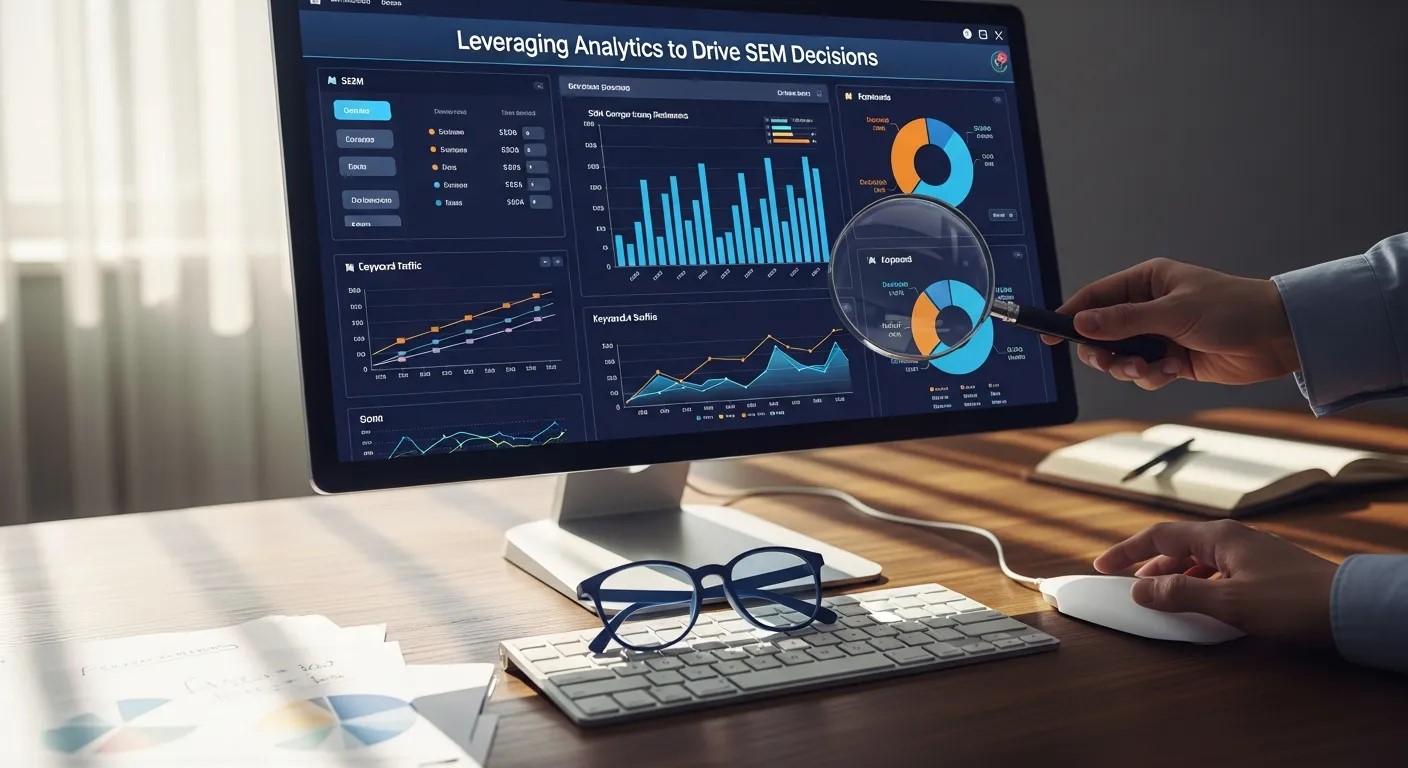
Data-driven decision-making is critical for businesses looking to maximize SEM potential. Using tools like Google Analytics, marketers can track performance across multiple metrics, including click-through rates, conversion rates, and cost per acquisition. By continuously measuring ROI and analytics, campaigns can be adjusted in real time for maximum effectiveness.
Heatmaps and user behavior analytics further enable marketers to identify bottlenecks in the conversion process. For example, if users frequently drop off on a landing page, adjustments can be made to improve UX and guide visitors toward completing their desired actions. These refinements directly contribute to efforts to maximize SEM potential.
Predictive analytics is another powerful tool. By analyzing historical campaign data, businesses can forecast which keywords, ad formats, or audience segments are likely to perform best. This proactive approach ensures that SEM campaigns remain efficient, targeted, and highly effective, further helping to maximize SEM potential.
Content and Ad Alignment for Maximum Effect
A critical factor in SEM success is aligning ad content with landing page content. Consistency in messaging ensures that users feel a seamless experience from search to conversion. Businesses that effectively align content are better positioned to maximize SEM potential.
For example, an ad promoting a “premium SEO tool” should lead to a landing page that emphasizes the tool’s benefits, pricing, and testimonials. Any mismatch between ad and landing page can reduce trust, increase bounce rates, and limit the ability to maximize SEM potential.
Additionally, integrating dynamic search ads into this alignment ensures that variations in search queries still lead to relevant content. By automating the matching process, marketers can maintain relevancy at scale without sacrificing quality.
Utilizing Remarketing to Boost Conversions
Remarketing is an indispensable strategy for businesses aiming to maximize SEM potential. By targeting users who have previously interacted with the website or brand, marketers can re-engage potential customers and increase the likelihood of conversion.
Remarketing campaigns can be enhanced with hyper-personalization at scale, serving tailored messages based on user behavior or past interactions. For instance, a user who previously viewed a product category but didn’t purchase can receive targeted ads featuring discounts or related products. This approach ensures that campaigns continue to maximize SEM potential by nurturing prospects effectively.
Moreover, combining remarketing with best time to use SEM insights ensures that these ads reach users when they are most likely to engage. Timing, personalization, and relevance work together to amplify campaign performance.
Bid Adjustments and Budget Optimization
Effective bid management is key to achieving the goal to maximize SEM potential. Adjusting bids based on device, location, demographics, or performance metrics allows marketers to allocate budgets efficiently. Automated bidding strategies, combined with manual optimization for high-value keywords, help maintain cost efficiency while maximizing visibility.
By incorporating insights from SEM consultants, businesses can fine-tune bids to improve ROI. Consultants provide expertise in competitive analysis, bid strategies, and platform-specific optimization, helping campaigns achieve peak performance. When combined with measuring ROI and analytics, these bid adjustments ensure that every dollar contributes to fully maximizing SEM potential.
Integrating Multi-Channel SEM Strategies
While search ads are the core of SEM, integrating multiple channels enhances the ability to maximize SEM potential. Display ads, paid social campaigns, and programmatic advertising complement search campaigns by reaching users at different touchpoints in the buying journey.
For example, display remarketing campaigns can re-engage users who didn’t convert via search ads, while paid social campaigns build awareness for new products. By strategically combining channels, marketers can reinforce messaging, increase brand visibility, and fully maximize SEM potential.
How Businesses Maximize SEM Potential

Consider a mid-sized e-commerce brand that aimed to increase online sales. By leveraging dynamic search ads, optimizing bidding strategies, and applying hyper-personalization at scale, the brand achieved a 35% increase in conversions within three months.
The team tracked performance meticulously, measuring ROI and analytics, adjusting campaigns based on insights, and testing different ad variations. They also applied best time to use SEM principles, scheduling campaigns for peak engagement periods.
Partnering with an SEM consultant allowed them to refine targeting, implement advanced segmentation, and align ad copy with landing pages. This comprehensive approach enabled the brand to fully maximize SEM potential, demonstrating the tangible impact of strategic SEM management.
Conclusion
To stay competitive in today’s digital marketplace, businesses must strategically maximize SEM potential. By leveraging keyword research, dynamic search ads, hyper-personalization, and data-driven analytics, marketers can drive higher traffic, increase conversions, and optimize ROI. Integrating advanced targeting, bid strategies, and multi-channel approaches ensures campaigns remain efficient and impactful. Partnering with an SEM consultant or continuously refining campaigns allows brands to fully harness SEM’s capabilities. Ultimately, organizations that consistently focus on strategies to maximize SEM potential position themselves for sustainable growth and measurable digital marketing success.
Frequently Asked Questions (FAQ)
What does it mean to maximize SEM potential?
To maximize SEM potential means leveraging all aspects of search engine marketing—keyword research, dynamic search ads, personalization, bid strategies, and analytics—to drive higher traffic, engagement, and conversions efficiently.
How can businesses improve ROI with SEM?
By measuring ROI and analytics, optimizing bids, targeting high-intent keywords, and using advanced techniques like remarketing and hyper-personalization, businesses can maximize returns from SEM campaigns.
When is the best time to use SEM?
The best time to use SEM depends on your audience and industry. Analyzing historical data, peak search periods, and user behavior helps schedule campaigns for maximum impact and ensures you maximize SEM potential.
What are dynamic search ads and how do they help?
Dynamic search ads automatically match user queries with relevant website content, expanding reach and capturing long-tail traffic. They allow businesses to maximize SEM potential by delivering highly relevant ads at scale.
Why should I work with an SEM consultant?
An experienced SEM consultant provides expertise in bid management, audience targeting, campaign optimization, and analytics, helping businesses fully maximize SEM potential and achieve measurable marketing results.
How does hyper-personalization at scale improve SEM campaigns?
Hyper-personalization at scale delivers tailored messaging based on user behavior, preferences, or demographics. This increases engagement, conversions, and overall effectiveness, enabling marketers to maximize SEM potential more efficiently.



Leave a Reply