

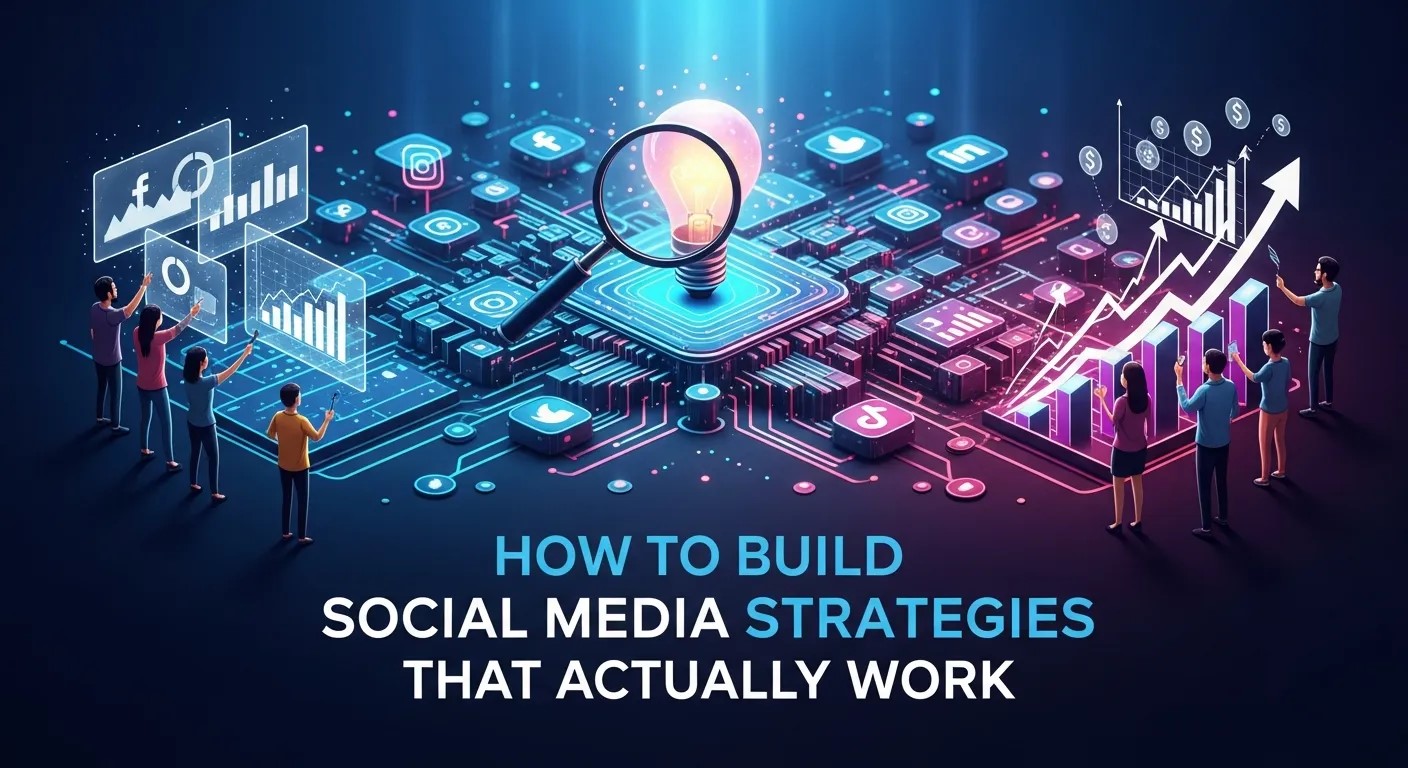
Effective social media strategies combine audience insights, engaging content, AI tools, and analytics to drive conversions, build brand loyalty, and amplify reach. Integrating paid campaigns, storytelling, and cross-platform optimization ensures measurable growth and long-term digital success.
Why Social Media Strategies Are Essential for Modern Businesses
In today’s fast-paced digital ecosystem, social media strategies are not just about posting content; they are about creating meaningful interactions, driving conversions, and maintaining a consistent brand presence across multiple platforms. Businesses, regardless of size, are recognizing that an effective social media strategy can be a game-changer in connecting with audiences, building trust, and achieving marketing goals.
Understanding Social Media Strategies
Social media strategies encompass the planning, execution, and analysis of all activities on platforms like Facebook, Instagram, Twitter, LinkedIn, TikTok, and emerging networks. The key to a successful approach is aligning content with business objectives while understanding the audience’s preferences, behavior, and pain points. A comprehensive strategy also considers timing, frequency, platform-specific content formats, and engagement tactics.
A robust social media strategy starts with research. Businesses need to understand their audience demographics, psychographics, and content consumption patterns. Tools like Google Analytics, social media insights, and customer surveys can provide valuable data for audience segmentation. With a clear understanding of who the target audience is, brands can tailor their messaging to resonate emotionally and psychologically, which is critical for engagement and conversion.
Components of an Effective Social Media Strategy
Goal Setting and KPI Definition
Every strategy begins with defining clear, measurable goals. Whether the aim is to increase brand awareness, generate leads, or drive website traffic, establishing KPIs ensures that progress can be tracked effectively. Goals should be SMART: Specific, Measurable, Achievable, Relevant, and Time-bound.
Audience Analysis
Understanding your audience’s behavior, preferences, and challenges is crucial. Social listening tools can provide insights into trending topics, customer sentiment, and competitor strategies. This information helps tailor content and campaigns for maximum impact.
Content Planning and Creation
A strategic content calendar ensures that posts are consistent, timely, and relevant. Incorporating a mix of content types such as videos, blogs, infographics, and polls caters to different engagement preferences. Additionally, aligning content with broader digital marketing initiatives like SEO in Digital Marketing ensures synergy across channels.
Platform Optimization
Each social media platform has unique characteristics. For instance, Instagram favors visual storytelling, while LinkedIn is more professional and content-driven. Optimizing profiles with high-quality images, compelling bios, and strategic hashtags can enhance visibility and engagement.
Engagement and Community Building
Social media is not a one-way communication channel. Responding to comments, participating in discussions, and showing appreciation for user-generated content fosters community trust and loyalty. Engaging authentically can also improve algorithmic ranking, increasing organic reach.
Analytics and Continuous Improvement
Tracking performance using analytics tools helps identify what works and what doesn’t. Metrics like engagement rate, click-through rate, conversion rate, and audience growth provide actionable insights. Continuous optimization based on data ensures long-term success.
Integrating Paid and Organic Strategies
While organic growth is essential for credibility, paid campaigns can accelerate results. Paid Social Advertising allows businesses to target specific demographics, behaviors, and interests, ensuring that content reaches the most relevant audience. Platforms like Facebook Ads, LinkedIn Sponsored Content, and Instagram promotions provide granular targeting options that complement organic efforts.
An integrated approach leverages the strengths of both paid and organic strategies. For instance, promoting high-performing organic posts through paid campaigns can amplify reach and engagement. Additionally, combining paid campaigns with Paid Search Engine Marketing provides a multi-channel approach that drives traffic, conversions, and ROI.
Role of AI in Social Media Strategies
Artificial Intelligence is transforming the landscape of social media strategies by automating tasks, providing predictive insights, and enhancing personalization. AI-powered tools can schedule posts, analyze engagement patterns, suggest optimal posting times, and even generate content ideas tailored to audience preferences. These capabilities not only save time but also increase efficiency and effectiveness.
AI can also enhance targeting accuracy in paid campaigns. Machine learning algorithms analyze past user behavior to predict which audiences are most likely to engage with content or convert. This approach, when combined with Dynamic Search Ads in SEM, ensures that businesses are reaching potential customers at the right moment in their journey.
Content Types and Their Impact
Different content formats resonate with different segments of the audience. Understanding which formats perform best is key to crafting effective social media strategies. Here are some common content types:
- Visual Content: Images, infographics, and videos capture attention quickly and are highly shareable.
- Blog Content: Sharing blog posts from your website can drive traffic and establish thought leadership, enhancing your SEO in Digital Marketing efforts.
- Interactive Content: Polls, quizzes, and contests encourage engagement and feedback.
- User-Generated Content: Sharing content created by followers fosters community and trust.
- Live Content: Webinars, live Q&A sessions, and events create immediacy and real-time interaction.
Scheduling and Consistency
A social media content calendar ensures consistent posting, which is essential for maintaining visibility and engagement. Scheduling tools like Buffer, Hootsuite, or Sprout Social allow businesses to plan content ahead, optimize posting times, and maintain a consistent brand voice. Regular posting not only keeps the audience engaged but also signals platform algorithms to boost content visibility.
Cross-Platform Strategies
Different platforms require tailored approaches. For example:
- Facebook: Great for community building, long-form content, and ads.
- Instagram: Focus on visual storytelling, Reels, and influencer partnerships.
- Twitter/X: Ideal for news, updates, and real-time engagement.
- LinkedIn: Best for B2B marketing, professional content, and lead generation.
- TikTok: Perfect for creative, short-form video content that resonates with younger audiences.
Adapting content for each platform while maintaining a consistent brand message is crucial for a cohesive social media strategy.
Influencer Collaboration and Partnerships
Partnering with influencers can amplify reach and credibility. Influencers provide access to established audiences, and authentic collaborations can drive engagement and conversions. Businesses should identify influencers whose values align with their brand, ensuring the partnership feels natural and credible.
Integrating Social Media with Overall Marketing
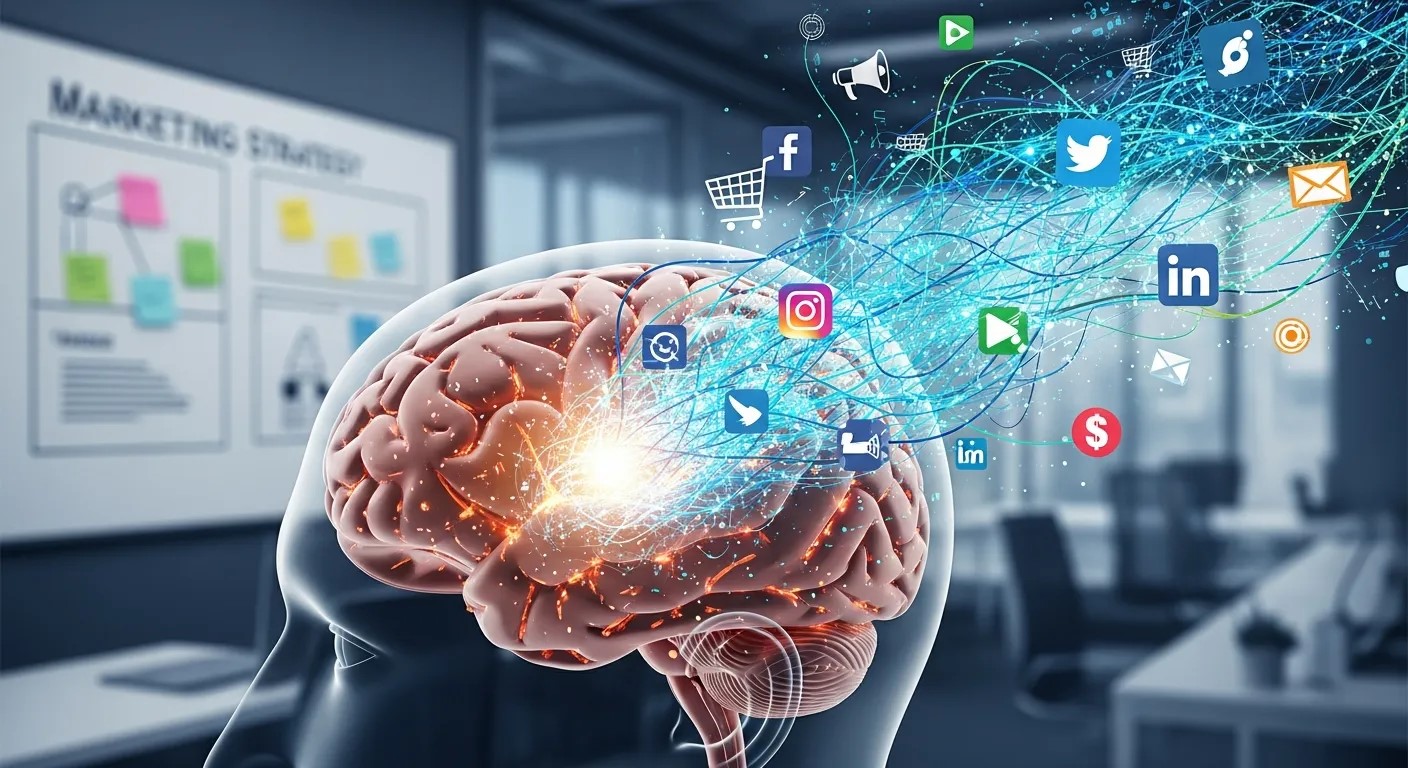
A successful social media strategy is not isolated; it integrates with the broader marketing ecosystem. Aligning campaigns with email marketing, content marketing, and Paid Search Engine Marketing ensures consistency in messaging and reinforces brand identity. Cross-channel marketing also improves the efficiency of marketing spend and amplifies overall results.
Advanced Targeting Techniques
Leveraging advanced targeting options is critical for maximizing ROI. Custom Audiences, Lookalike Audiences, and retargeting allow businesses to reach the right people at the right time. Predictive analytics and AI-driven insights further refine targeting, enabling more personalized and effective campaigns.
Measuring Success
Monitoring KPIs and analytics is essential for understanding the effectiveness of social media strategies. Important metrics include:
- Engagement Rate
- Follower Growth
- Click-Through Rate
- Conversion Rate
- Reach and Impressions
Using these metrics, marketers can adjust strategies, optimize content, and refine targeting to achieve better results.
Leveraging Paid Search with Social Media
Integrating paid social campaigns with Dynamic Search Ads in SEM creates a powerful synergy. While social media engages audiences through content and community, search ads capture intent-driven traffic. By aligning messaging across channels, businesses can provide a seamless user experience, improve conversions, and enhance overall marketing effectiveness.
Content Personalization and Audience Segmentation
Personalization is no longer optional. Tailoring content based on user behavior, preferences, and demographics increases engagement and brand loyalty. Segmenting audiences allows for more targeted messaging, which improves the relevance and impact of campaigns. AI tools can assist in dynamic content personalization, optimizing both organic and paid efforts.
Crisis Management and Reputation Monitoring
A robust social media strategy includes protocols for managing crises. Prompt response to negative feedback, transparent communication, and consistent messaging are essential. Social listening tools help monitor brand sentiment, detect potential issues early, and inform response strategies.
Future Trends in Social Media Strategies
The social media landscape is constantly evolving. Staying ahead requires awareness of emerging trends, such as:
- Short-form video dominance
- AI-generated content
- Increased emphasis on privacy and data security
- Augmented reality (AR) experiences
- Social commerce growth
Adapting strategies to these trends ensures continued relevance and effectiveness.
Tools and Technologies
Implementing effective social media strategies requires the right set of tools:
- Analytics Tools (Google Analytics, Sprout Social)
- Scheduling Tools (Hootsuite, Buffer)
- Design Tools (Canva, Adobe Creative Suite)
- Social Listening Tools (Brandwatch, Mention)
- CRM Integration (HubSpot, Salesforce)
These tools streamline workflow, improve insights, and enhance strategy execution.
Balancing Organic and Paid Efforts
A balanced approach ensures sustainable growth. While organic content builds trust and community, paid campaigns accelerate reach and conversions. Combining both allows businesses to maximize visibility while maintaining authentic engagement.
Successful Social Media Strategy Implementation

Consider a mid-sized e-commerce brand that integrated content marketing, AI-driven insights, and Paid Search Engine Marketing. By creating tailored content for each platform, optimizing posting times, and using predictive analytics for paid campaigns, the brand achieved a 45% increase in engagement and a 30% boost in conversions within six months. This example demonstrates the power of data-driven, integrated social media strategies.
Common Mistakes to Avoid
- Ignoring audience research
- Posting inconsistently
- Over-reliance on one platform
- Neglecting analytics
- Failing to align social media with broader marketing goals
Avoiding these pitfalls ensures that your social media strategies remain effective and adaptive.
Advanced Engagement Tactics
To elevate your social media strategies, it’s not enough to post regularly; engagement must be meaningful. Brands that succeed are those that foster authentic conversations, respond to users promptly, and create interactive experiences. Advanced tactics for social media strategies include:
- Gamification Marketing: Use contests, challenges, or reward systems to encourage participation. For instance, a fitness brand could run a “30-day workout challenge” to boost engagement.
- Personalized Messaging: Tailor messages to individual users or audience segments based on behavior and preferences. AI-powered chatbots can improve your social media strategies by providing instant, personalized responses.
- Micro-Communities: Create niche groups on platforms like Facebook or LinkedIn for highly engaged users. These communities are a powerful part of social media strategies, acting as brand advocates.
Focusing on engagement beyond simple likes or shares strengthens your social media strategies, making them relational and human-centered.
Leveraging Storytelling in Social Media Strategies
Storytelling remains one of the most effective ways to make social media strategies resonate. Stories create emotional connections and make your brand memorable. Effective storytelling in social media strategies includes:
- Customer Stories: Sharing testimonials or user-generated content strengthens your social media strategies by highlighting real experiences.
- Behind-the-Scenes Content: Provide an inside look at your team, production processes, or company culture. These elements make social media strategies authentic and relatable.
- Narrative Campaigns: Design multi-post campaigns that follow a story arc, encouraging followers to return for the next chapter.
Brands that master storytelling integrate it into their social media strategies to guide audiences naturally toward engagement and conversion.
Video Dominance in Social Media Strategies
With TikTok, Instagram Reels, and YouTube Shorts gaining traction, video content has become central to social media strategies. Short-form, high-impact videos drive engagement and shareability. Key tips include:
- Hook Within Seconds: Capture attention in the first 3 seconds to maximize engagement for your social media strategies.
- Repurpose Content: Turn blogs, infographics, or webinars into engaging video snippets to enhance your social media strategies.
- Interactive Features: Polls, quizzes, and swipe-up links make video content more engaging and measurable, boosting your social media strategies’ effectiveness.
Incorporating video ensures that your social media strategies remain relevant and algorithm-friendly.
Cross-Channel Integration for Social Media Strategies
A modern social media strategy cannot work in isolation. Integrating social campaigns with other marketing channels strengthens overall results:
- Email Integration: Promote social posts through newsletters, enhancing your social media strategies by driving cross-channel engagement.
- Content Marketing: Share blogs, whitepapers, and guides to increase traffic and improve SEO, complementing social media strategies.
- Paid Search and Retargeting: Use paid campaigns in tandem with social media strategies to capture intent-driven audiences.
An omnichannel approach ensures your social media strategies are aligned with business goals and deliver measurable ROI.
AI-Powered Social Media Strategies
Artificial Intelligence can supercharge your social media strategies by automating, analyzing, and predicting audience behavior:
- Optimal Timing: AI tools analyze patterns to schedule posts for maximum engagement, enhancing your social media strategies.
- Content Recommendations: AI suggests trending topics, hashtags, and formats that strengthen your social media strategies.
- Predictive Targeting: Machine learning predicts which audiences are most likely to engage, optimizing your social media strategies.
With AI, social media strategies shift from reactive management to proactive audience engagement.
Monitoring and Crisis Management in Social Media Strategies

Protecting your brand’s reputation is a critical component of social media strategies. Advanced monitoring techniques include:
- Real-Time Alerts: Track mentions and feedback to adjust social media strategies quickly.
- Sentiment Analysis: Use AI to understand audience reactions, refining social media strategies for better alignment.
- Crisis Playbooks: Pre-plan responses to potential PR issues, ensuring social media strategies remain professional and consistent.
Proactive management keeps your social media strategies resilient and credible.
Continuous Learning for Social Media Strategies
The digital landscape evolves constantly, so your social media strategies must adapt. Emerging trends include:
- Social Commerce: Integrate shopping experiences directly into social media strategies.
- AI-Generated Content: Enhance efficiency in social media strategies while maintaining authenticity.
- Privacy-Centric Marketing: Ensure transparency to support sustainable social media strategies.
- Augmented Reality Experiences: Enhance user interaction within your social media strategies.
Flexibility ensures that social media strategies remain relevant, innovative, and competitive.
Practical Checklist to Execute Strategies
- Define clear goals and KPIs (engagement, conversions, follower growth) for strategies.
- Conduct detailed audience research to improve strategies.
- Develop a diverse content calendar tailored to each platform to strengthen strategies.
- Optimize profiles and posts for maximum visibility in your strategies.
- Implement engagement tactics like polls, contests, and micro-communities in strategies.
- Leverage AI for predictive insights, content recommendations, and scheduling in strategies.
- Monitor performance and adjust tactics to continuously refine strategies.
- Integrate paid campaigns, email marketing, and cross-channel tactics to complement strategies.
- Prepare crisis management protocols to protect the effectiveness of strategies.
- Track trends and adapt quickly to maintain modern and effective strategies.
Following this checklist ensures your strategies are actionable, measurable, and results-driven.
Conclusion
Building social media strategies that actually work requires a combination of research, planning, content creation, audience understanding, analytics, and continuous optimization. Integrating AI, paid campaigns, and Dynamic Search Ads in SEM can amplify results, while alignment with broader SEO in Digital Marketing ensures a cohesive online presence. By adopting a structured and data-driven approach, businesses can drive engagement, build brand loyalty, and achieve measurable marketing outcomes.
Frequently Asked Questions (FAQ)
What are social media strategies?
Social media strategies are structured plans that guide how businesses create, post, and manage content across platforms to engage audiences, build brand awareness, and drive conversions. They combine research, content planning, analytics, and paid campaigns for maximum impact.
Why are social media strategies important for businesses?
Effective social media strategies help brands connect with their audience, foster trust, increase engagement, and generate measurable results. They ensure marketing efforts are focused, consistent, and aligned with overall business goals.
How do I create a successful social media strategy?
A successful social media strategy starts with audience research, goal setting, and platform optimization. It includes content creation, engagement tactics, analytics tracking, and continuous improvement, often enhanced with AI and paid campaigns.
What role does AI play in social media strategies?
AI supports social media strategies by automating posts, analyzing engagement, predicting audience behavior, suggesting content ideas, and improving targeting for paid campaigns. This boosts efficiency and the effectiveness of campaigns.
How can small businesses implement social media strategies on a budget?
Small businesses can focus on organic content, audience engagement, user-generated content, and cost-effective tools like scheduling apps. Combining these with selective paid campaigns ensures impactful social media strategies without overspending.
How do I measure the success of my social media strategies?
Success is measured using KPIs such as engagement rate, follower growth, click-through rate, conversion rate, reach, and impressions. Regular monitoring and optimization are key to improving results over time.



Leave a Reply