

CPC in Digital Marketing measures the cost per click on ads, helping businesses optimize budgets, target high-intent audiences, and improve ROI. Effective management ensures more clicks convert into leads and sales efficiently.
Why CPC in Digital Marketing Matters for Your Business
Understanding CPC in Digital Marketing is crucial for businesses looking to optimize their online advertising budgets. CPC, or cost-per-click, is the amount an advertiser pays each time a user clicks on an ad. Unlike impression-based advertising, which charges for views regardless of engagement, ensures that ad spend is directly linked to user action. This makes CPC an efficient and performance-driven approach for driving traffic, leads, and sales.
Businesses using Google Ads for Ecommerce know that effectively managing CPC in Digital Marketing can make or break a campaign. Monitoring CPC allows advertisers to focus on high-value clicks, optimize targeting, and achieve better returns. Understanding the fundamentals of CPC in Digital Marketing helps marketers plan campaigns strategically, reducing wasted spend and increasing overall efficiency.
What Is CPC in Digital Marketing?
CPC in Digital Marketing is a pricing model where advertisers pay for each click their ad receives. This model is common in search engine marketing (SEM), social media advertising, and display campaigns. By tracking CPC in Digital Marketing, businesses can calculate how much each click costs and whether it aligns with overall marketing goals.
Several factors influence CPC in Digital Marketing, including keyword competition, ad relevance, user intent, and landing page quality. For example, industries like finance and healthcare generally have higher CPC rates due to high competition, whereas niche markets or long-tail keywords often enjoy lower costs per click. Monitoring CPC in Digital Marketing is essential for adjusting campaigns in real time and maintaining profitability.
Types of CPC in Digital Marketing
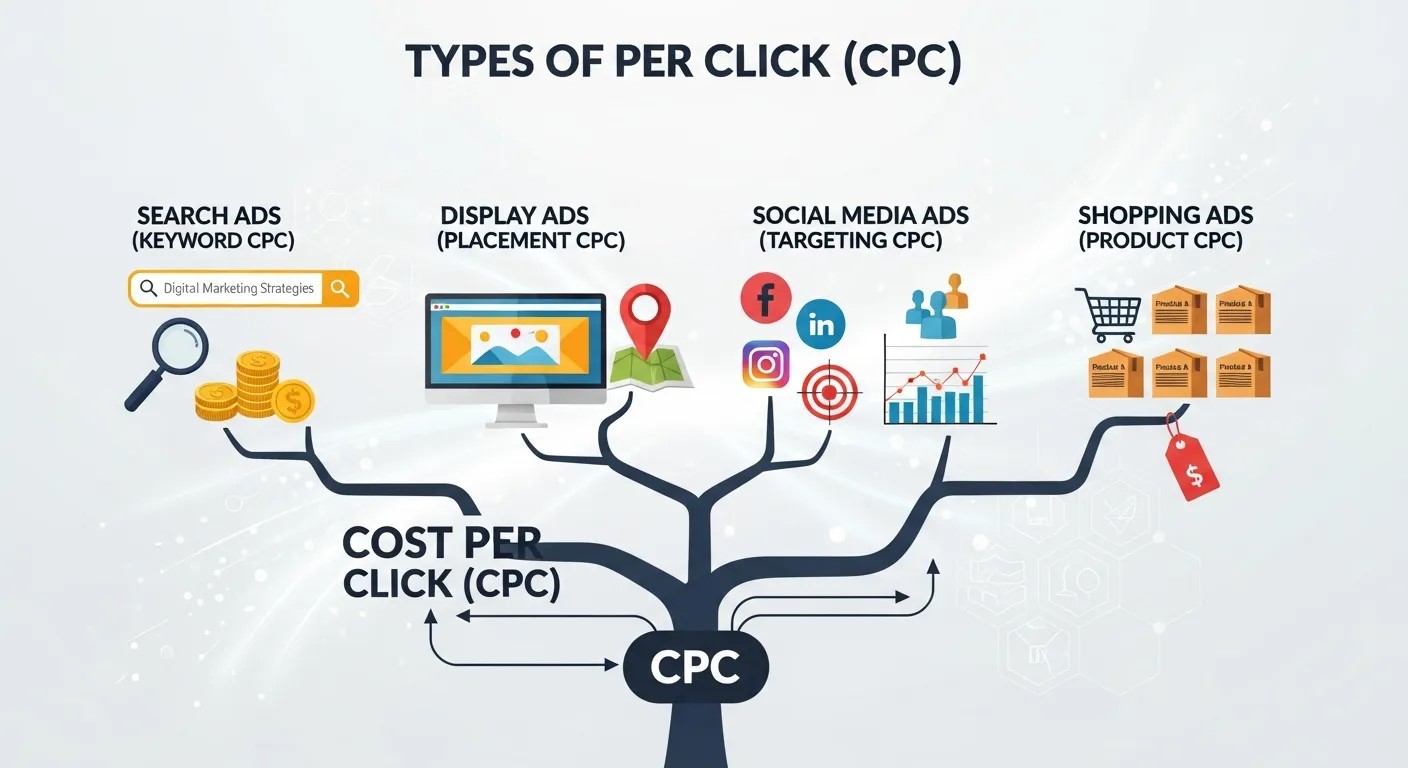
Understanding the different types of CPC in Digital Marketing helps advertisers choose the right bidding strategy for their campaigns:
Manual CPC
Manual CPC allows advertisers to set the maximum cost per click for each keyword. This approach provides control over spending and is ideal for advertisers who want to maintain direct oversight of their campaigns. By using manual CPC, businesses can adjust bids based on performance and competition.
Enhanced CPC (ECPC)
Enhanced CPC automatically adjusts bids in real time based on the likelihood of a conversion. By integrating AI-Powered Bidding Strategies, ECPC helps improve the efficiency of CPC in Digital Marketing campaigns without constant manual adjustments.
Automated/AI-Driven CPC
Automated bidding uses machine learning to optimize CPC in Digital Marketing continuously. This approach analyzes historical performance, user behavior, and competitor data to maximize conversions at the lowest possible cost. For businesses looking to scale, AI-driven CPC in Digital Marketing is highly effective.
How CPC in Digital Marketing Works
In platforms like Google Ads for Ecommerce, operates as an auction. Advertisers bid on keywords relevant to their products or services. The final cost per click depends on both the bid amount and the ad’s quality score, which evaluates relevance and user experience. Ads with higher quality scores achieve better placement at lower CPC in Digital Marketing, making campaigns more cost-efficient.
Social media platforms such as Facebook and Instagram also rely on CPC models. Implementing a proper Meta Ads Strategy ensures that your ads reach the most relevant audience, lowering CPC in Digital Marketing while increasing engagement. Targeted campaigns help prevent wasted clicks and ensure that each dollar spent contributes to meaningful conversions.
CPC in Search Engine Marketing (SEM)
CPC in Digital Marketing is fundamental for SEM campaigns. Every click carries a cost, and advertisers need to ensure that clicks convert into valuable actions. By incorporating A/B Testing in SEM, marketers can test variations of ad copy, landing pages, and targeting strategies to identify the most effective combinations. Each successful test reduces CPC in Digital Marketing while improving CTR and quality score.
Landing pages also play a vital role. High-quality, relevant pages aligned with ad content increase conversion rates and decrease. Marketers who actively monitor and optimize these pages see improved ROI and more efficient spending.
Factors Affecting CPC in Digital Marketing
Several key factors determine the cost of CPC in Digital Marketing campaigns:
-
Keyword Competition: Highly competitive keywords generally have higher CPC in Digital Marketing.
-
Ad Relevance: Ads that match user intent receive more clicks and lower CPC in Digital Marketing.
-
Landing Page Experience: Fast, relevant pages improve user engagement and reduce CPC in Digital Marketing.
-
Audience Targeting: Using detailed demographic or interest targeting lowers wasted clicks, keeping CPC in Digital Marketing efficient.
-
Device and Location: CPC in Digital Marketing can vary by device type or location, so adjusting bids accordingly improves efficiency.
Advanced tools like AI-Powered Bidding Strategies automate these optimizations, adjusting CPC in Digital Marketing dynamically to maximize ROI while minimizing manual effort.
Optimizing CPC in Digital Marketing
Optimizing CPC in Digital Marketing involves a mix of strategy, testing, and analytics:
-
Keyword Research: Selecting high-intent and relevant keywords reduces wasted clicks and improves CPC in Digital Marketing efficiency.
-
Ad Copy Optimization: Engaging ad copy with clear CTAs increases CTR, which can lower CPC in Digital Marketing.
-
Landing Page Optimization: Aligning ad content with landing pages improves user experience and reduces.
-
Bid Adjustments: Adjusting bids for time, location, and device type ensures campaigns remain cost-effective.
Integrating Sales and Product Recommendation Bots can enhance campaigns by guiding users toward products they are more likely to purchase. Similarly, AI-Powered Object Recognition in display campaigns personalizes ads dynamically, improving engagement and reducing CPC in Digital Marketing.
Measuring CPC in Digital Marketing Success
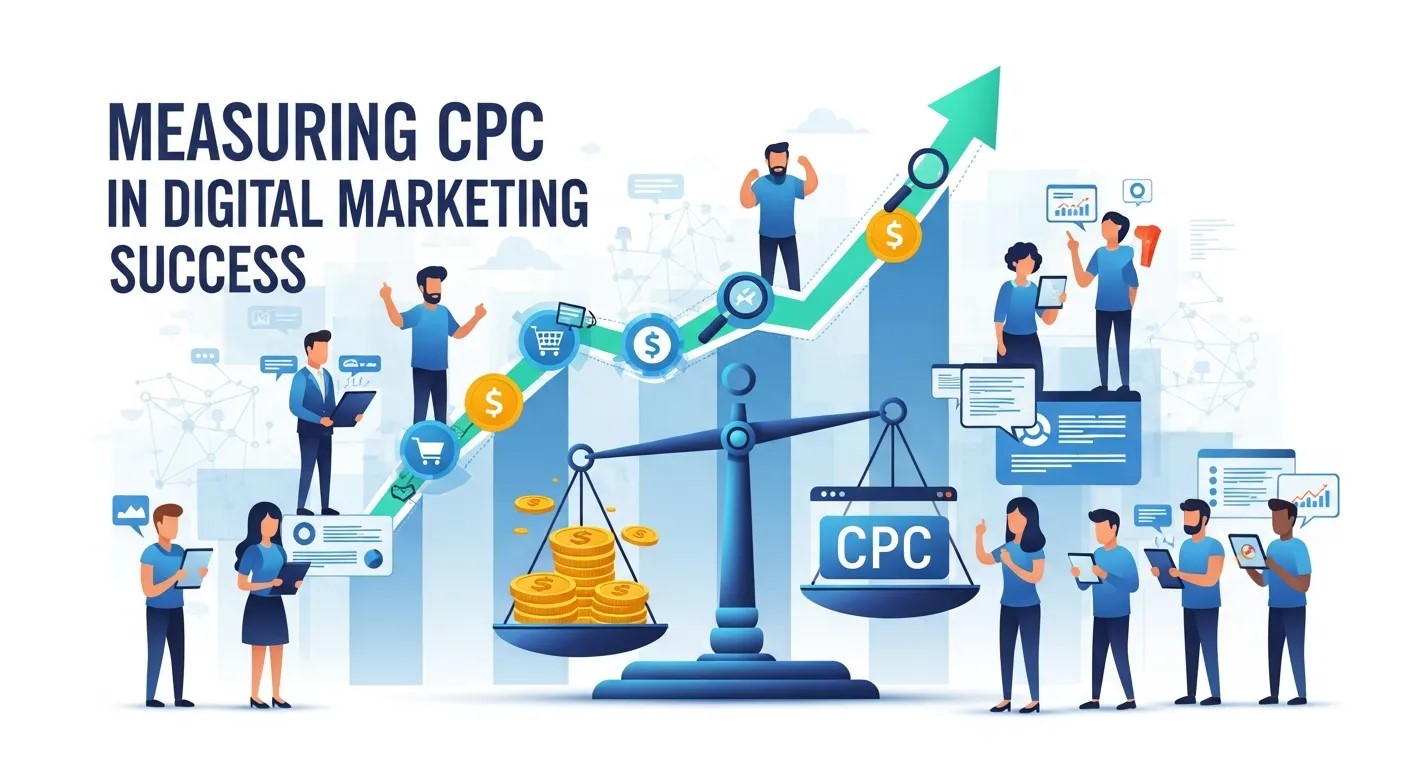
Tracking CPC in Digital Marketing performance is essential for data-driven decision-making. Key metrics include:
-
Click-Through Rate (CTR): Higher CTR often reduces CPC in Digital Marketing because it indicates ad relevance.
-
Conversion Rate: Ensures that clicks are translating into meaningful outcomes.
-
Cost Per Conversion: Total spend divided by conversions gives a clear picture of ROI.
-
Impression Share: Helps understand competitiveness and adjust strategies.
Analyzing these metrics allows businesses to optimize campaigns in real time, maintaining efficiency and achieving higher returns.
Advanced CPC in Digital Marketing Techniques
Advanced strategies can further improve CPC in Digital Marketing:
-
Dynamic Remarketing Campaigns: Target users who have previously visited your website to reduce CPC in Digital Marketing by focusing on high-intent audiences.
-
Cross-Platform Optimization: Running coordinated campaigns across Google Ads for Ecommerce, Meta Ads Strategy, and LinkedIn Ads improves engagement while lowering CPC in Digital Marketing.
-
AI-Driven Personalization: Using AI to personalize ad content based on user behavior increases relevance, improving CTR and lowering CPC in Digital Marketing.
By combining analytics, AI-driven bidding, and strategic targeting, businesses can maximize ROI while maintaining a controlled budget.
Example CPC Rates Across Industries
| Industry | Avg CPC (USD) | Platform | Notes |
|---|---|---|---|
| Ecommerce | 0.70 | Google Ads | Long-tail keywords reduce CPC |
| Finance | 3.50 | Google Ads | High competition, high-intent audience |
| Healthcare | 2.80 | Meta Ads | Targeting by demographics lowers CPC |
| SaaS | 1.50 | LinkedIn Ads | B2B targeting reduces irrelevant clicks |
This table highlights how CPC in Digital Marketing can vary by industry, keyword choice, and platform.
CPC in Digital Marketing Across Different Platforms
CPC in Digital Marketing varies significantly depending on the platform you use. Each platform has unique auction systems, audience targeting options, and ad formats that affect the cost per click. Understanding how functions on these platforms allows marketers to allocate their budgets more efficiently.
Google Ads for Ecommerce
Google remains the most widely used platform for CPC in Digital Marketing. For businesses running Google Ads for Ecommerce, CPC is determined by an auction system where bids, quality score, and ad relevance play a major role. Advertisers targeting high-intent keywords often see higher CPC in Digital Marketing, but these clicks tend to convert better, making the investment worthwhile.
Marketers can use A/B Testing in SEM to test variations of ad copy, keywords, and landing pages. For instance, testing different product titles or descriptions in your ecommerce campaign can reveal which ads lower CPC in Digital Marketing while improving click-through and conversion rates.
Meta Ads Strategy
Platforms like Facebook and Instagram implement CPC in Digital Marketing through the Meta Ads Strategy framework. Advertisers can target users based on interests, behaviors, demographics, and past engagement. A well-planned Meta Ads Strategy often lowers CPC in Digital Marketing because the platform serves ads to highly relevant audiences, reducing wasted clicks and increasing efficiency.
Dynamic ad formats, such as carousel or video ads, can also influence. Ads that capture attention quickly often achieve higher CTR, which signals relevance to the algorithm and can reduce overall cost per click.
LinkedIn and Bing Ads
LinkedIn Ads and Bing Ads also follow CPC-based models, but their audience and pricing dynamics differ. LinkedIn is primarily B2B tends to be higher because the platform targets professionals with specific job roles and industries. Bing Ads can sometimes offer lower CPC in Digital Marketing due to less competition compared to Google, making it ideal for small businesses or niche markets.
How Industry Impacts CPC in Digital Marketing
Industry type plays a critical role in determining CPC in Digital Marketing. Highly competitive sectors, such as finance, insurance, and healthcare, generally have higher CPC rates because multiple advertisers compete for the same high-intent keywords. In contrast, niche markets, small businesses, or long-tail keywords often enjoy lower CPC in Digital Marketing while still driving valuable traffic.
Businesses that understand industry trends can optimize campaigns to maintain cost efficiency. For example, using AI-Powered Bidding Strategies helps businesses in competitive industries adjust bids in real-time to achieve the lowest possible CPC in Digital Marketing without sacrificing ad placement or engagement.
Reducing CPC in Digital Marketing Without Losing Performance
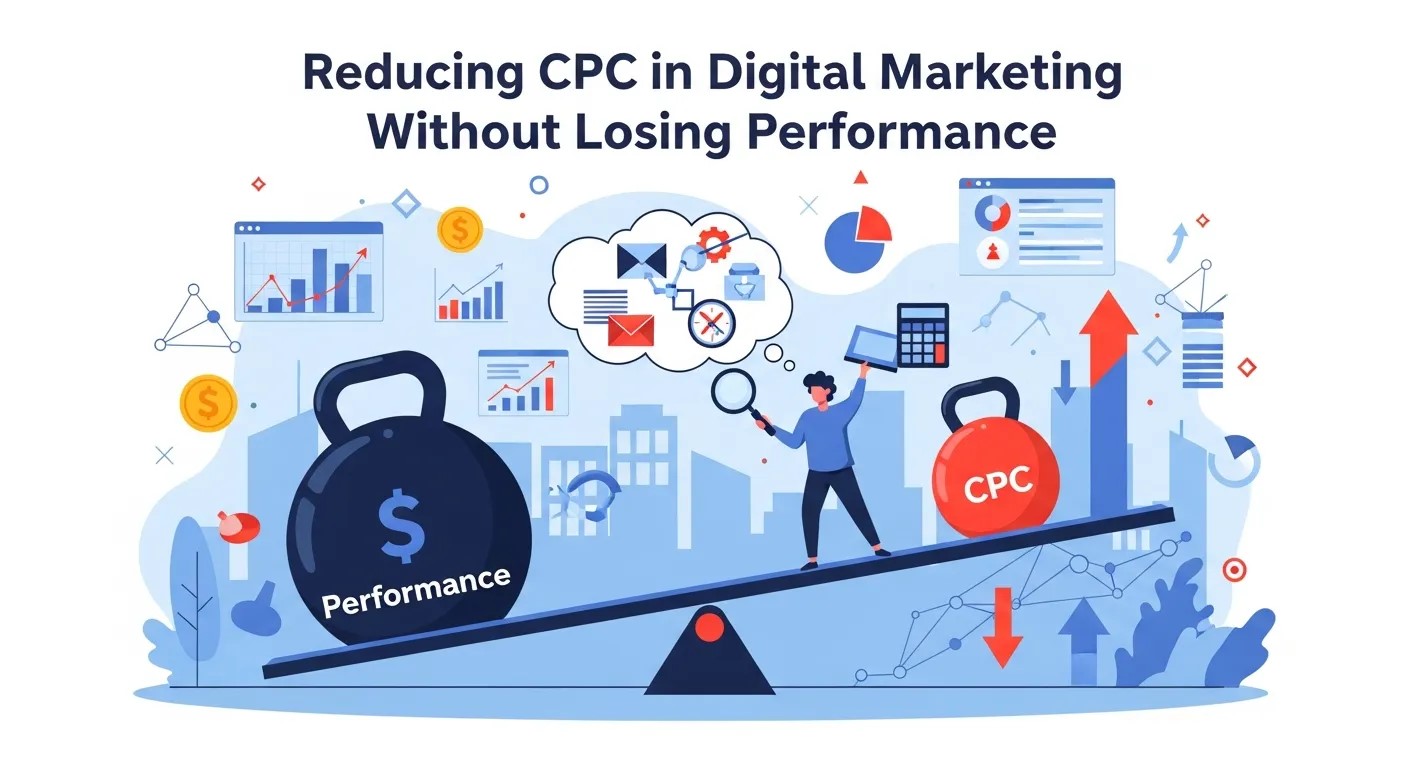
Reducing CPC in Digital Marketing requires strategic optimization rather than cutting bids blindly. Some proven methods include:
-
Optimizing Ad Relevance: Align ads with user intent to improve CTR and lower CPC in Digital Marketing.
-
Using Long-Tail Keywords: Long-tail keywords are less competitive, resulting in lower CPC while maintaining high conversion potential.
-
Segmenting Audiences: Targeting the right demographics reduces wasted clicks, keeping CPC in Digital Marketing cost-effective.
-
Improving Landing Page Experience: Fast-loading, relevant pages improve user engagement and lower CPC in Digital Marketing.
Integrating Sales and Product Recommendation Bots further enhances ad performance. Bots can guide users to relevant products, increasing the likelihood of conversion and reducing the effective CPC.
Advanced Techniques to Optimize
Beyond basic strategies, businesses can leverage advanced methods to improve CPC in Digital Marketing:
AI-Powered Bidding Strategies
AI-Powered Bidding Strategies automatically adjust bids in real time based on historical performance and predicted user behavior. This approach allows advertisers to maximize conversions while maintaining efficiently. AI analyzes patterns such as device type, location, and time of day to optimize bids intelligently.
Dynamic Remarketing
Dynamic remarketing targets users who have already interacted with your website or products. By focusing on high-intent audiences, dynamic remarketing reduces CPC in Digital Marketing and increases the likelihood of conversions. For example, ecommerce brands can show personalized product ads to visitors who abandoned their carts, ensuring higher engagement with lower cost per click.
AI-Powered Object Recognition
In display advertising, AI-Powered Object Recognition can dynamically adjust ad creatives based on user interactions or content context. This ensures that users see the most relevant ad, improving CTR and reducing CPC in Digital Marketing. Personalized visual content tends to engage users better, making ads more cost-efficient.
Real-World Case Study
Consider an ecommerce brand running a Google Ads for Ecommerce campaign with a daily budget of $1,000. By integrating A/B Testing in SEM and using AI-Powered Bidding Strategies, the brand optimized ad copy and landing pages to reduce by 25% over three months. Dynamic remarketing further targeted high-intent users, increasing conversions without increasing ad spend.
This example highlights how a combination of testing, automation, and advanced targeting can make campaigns more effective and cost-efficient.
Comparing in Digital Marketing Across Platforms
| Platform | Avg CPC (USD) | Best Use Case | Notes |
|---|---|---|---|
| Google Ads | 0.70–3.50 | Search & Ecommerce | High-intent keywords often cost more |
| Meta Ads | 0.40–2.50 | Social Engagement & Retargeting | Audience targeting reduces wasted spend |
| LinkedIn Ads | 2.50–6.00 | B2B & Professional Targeting | Higher CPC due to precise audience |
| Bing Ads | 0.50–2.00 | Niche Markets & Lower Competition | Lower CPC in less crowded markets |
This table shows how fluctuates depending on platform, competition, and targeting options.
By applying these strategies, businesses can maintain efficient CPC in Digital Marketing, reach the right audience, and maximize ROI across platforms. Integrating advanced tools like AI-Powered Bidding Strategies, dynamic remarketing, and personalized bots ensures campaigns are cost-effective and high-performing.
Common Mistakes That Increase CPC
Even experienced advertisers can make errors that drive up their cost per click. Common mistakes include:
-
Ignoring keyword intent: Targeting broad or irrelevant keywords often results in wasted clicks and higher costs.
-
Poor ad relevance: Ads that don’t match user expectations reduce CTR and increase CPC.
-
Neglecting landing page quality: Slow or confusing landing pages discourage conversions, making each click more expensive.
-
Overbidding without data: Simply increasing bids without monitoring performance can inflate costs unnecessarily.
Avoiding these pitfalls allows businesses to run more efficient campaigns. By focusing on user experience and ad relevance, marketers can reduce CPC while maintaining strong engagement and conversions.
Integrating tools like Sales and Product Recommendation Bots also helps reduce wasted clicks by guiding visitors to relevant products, indirectly improving campaign efficiency.
Tips to Improve CPC Performance
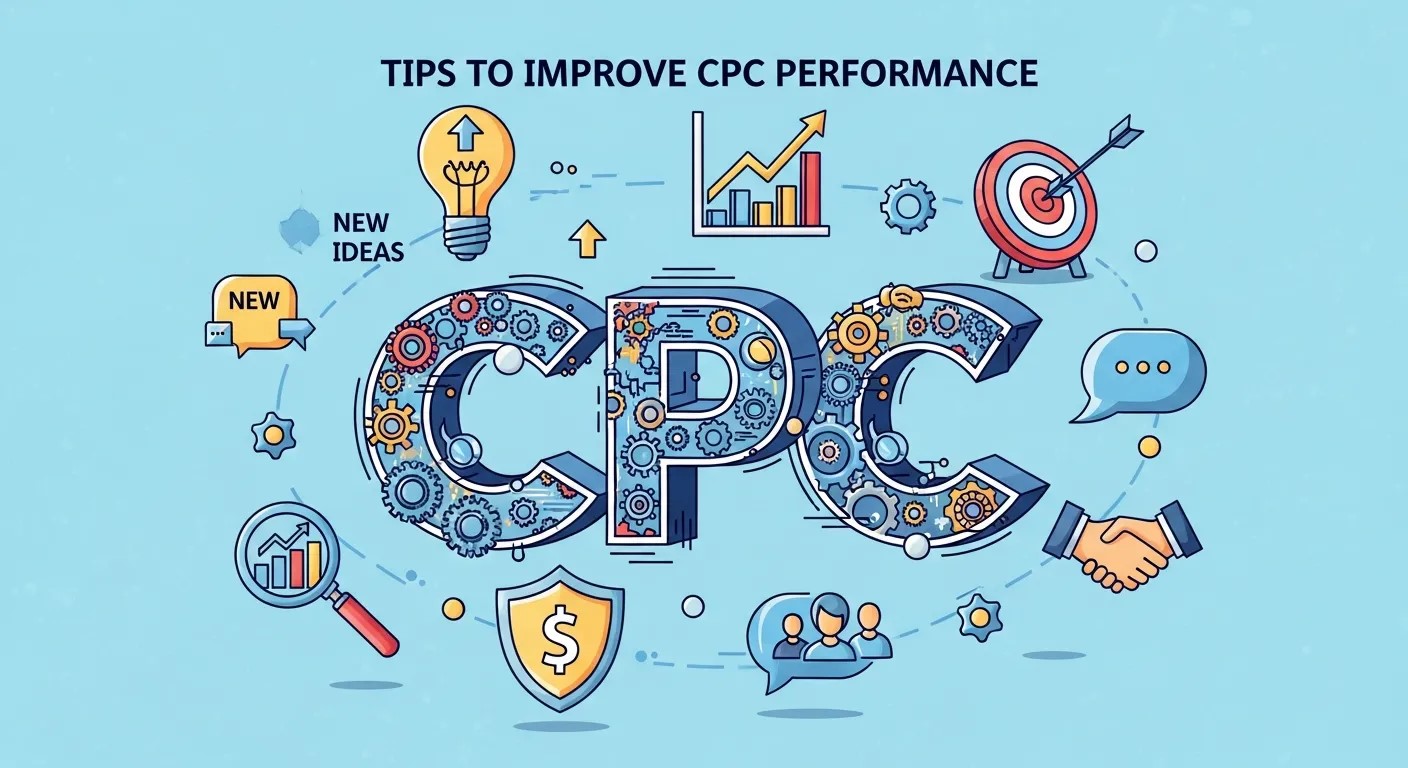
Optimizing CPC doesn’t always require higher bids. Here are actionable tips:
-
Use long-tail keywords: These are often cheaper and attract highly targeted audiences.
-
A/B test ad copy: Experiment with headlines, descriptions, and CTAs to find what resonates most.
-
Leverage audience segmentation: Tailor campaigns by demographics, interests, or past behavior to reduce wasted spend.
-
Optimize for devices and locations: Adjust bids based on performance by device type or region.
-
Utilize AI-powered tools: Incorporating AI-Powered Bidding Strategies or AI-Powered Object Recognition can automate optimizations and improve efficiency.
By applying these tips, businesses can ensure every dollar spent on ads contributes meaningfully to conversions, making campaigns more cost-effective without relying solely on the CPC metric.
Conclusion
Vital metric for measuring the effectiveness and efficiency of online advertising campaigns. By understanding how cost-per-click works, businesses can allocate budgets wisely, target high-intent audiences, and improve overall ROI.
Optimizing campaigns through strategic keyword selection, ad copy improvements, audience segmentation, and AI-powered tools ensures that every click contributes to meaningful conversions. Incorporating advanced techniques like dynamic remarketing, personalized product recommendations, and automated bidding further enhances campaign performance while keeping costs under control.
Ultimately, businesses that monitor and optimize CPC alongside other key performance metrics can achieve a balanced approach driving traffic, increasing conversions, and maximizing return on investment without overspending.
Frequently Asked Questions (FAQ)
What is CPC in Digital Marketing?
CPC, or cost-per-click, is the amount an advertiser pays each time someone clicks on their ad. It helps businesses measure the efficiency of campaigns and ensures ad spend is tied to user engagement.
How is CPC calculated?
CPC is calculated by dividing the total ad spend by the number of clicks. For example, if you spend $500 on a campaign and receive 1,000 clicks, the CPC is $0.50 per click.
Why is CPC important for online advertising?
CPC allows advertisers to control costs, focus on high-intent users, and measure the return on investment (ROI) of their campaigns accurately.
How can I reduce my CPC?
Reducing CPC involves optimizing ad relevance, using long-tail keywords, improving landing pages, segmenting audiences, and leveraging AI-powered bidding strategies.
Does CPC vary across platforms?
Yes. CPC differs between platforms like Google Ads, Meta Ads, LinkedIn Ads, and Bing Ads due to audience targeting, competition, and ad formats.
Can AI tools improve CPC performance?
Absolutely. Tools like AI-Powered Bidding Strategies and AI-Powered Object Recognition help automate optimization, improve targeting, and lower CPC while maintaining campaign effectiveness.



Leave a Reply