


The world of paid search is evolving rapidly. While Google Ads has long been the dominant force in search engine marketing (SEM), businesses are now realizing that relying solely on one platform is risky. Rising advertising costs, over-saturation of ads, and tighter marketing budgets are forcing marketers to explore alternative strategies.
In today’s SEM economy, looking for alternatives to Google Ads isn’t just a good idea—it’s essential. Businesses with limited resources, niche products, or specific target audiences can benefit from exploring other platforms that provide cost-effective, highly targeted results.
By diversifying your paid search strategy, you can reach audiences that may be overlooked by Google Ads, reduce advertising costs, and gain better ROI on your campaigns. Let’s take a closer look at why marketers are shifting away from Google Ads and which alternatives are worth considering.
Why Marketers Are Rethinking Google Ads
1. High Costs and Tough Competition
Google Ads has become increasingly competitive. With millions of advertisers vying for limited space on search results pages, the cost-per-click (CPC) for competitive keywords has skyrocketed. For many small and medium businesses, this makes it challenging to achieve profitable campaigns without a substantial budget.
The reality is that you can no longer rely solely on generic keyword bidding to drive traffic. Brands must invest heavily in optimization, A/B testing, and high-quality ad creative to maintain visibility. For businesses with tight budgets, this can quickly become unsustainable.
2. Over-Saturation of Ads
Consumers have developed “ad blindness” over the years, learning to scroll past generic Google Ads without clicking. As a result, click-through rates (CTR) are declining, particularly for highly competitive keywords.
Even businesses with strong ad creatives may find their campaigns underperforming because the audience is bombarded with competing messages. This makes it harder to capture attention and convert potential customers without increasing spending.
3. Better ROI on Alternative Platforms
Many marketers are discovering that alternative platforms can provide better ROI compared to Google Ads. Platforms like Microsoft Advertising, DuckDuckGo, and Amazon Ads often feature less competition and lower CPCs.
Beyond cost savings, these alternatives allow advertisers to reach highly specific audiences, including B2B decision-makers, niche consumer groups, and privacy-conscious users. In some cases, businesses have seen higher conversion rates simply because the audience is more relevant to their product or service.
Microsoft Advertising: A Reliable Alternative to Google Ads
How It Works
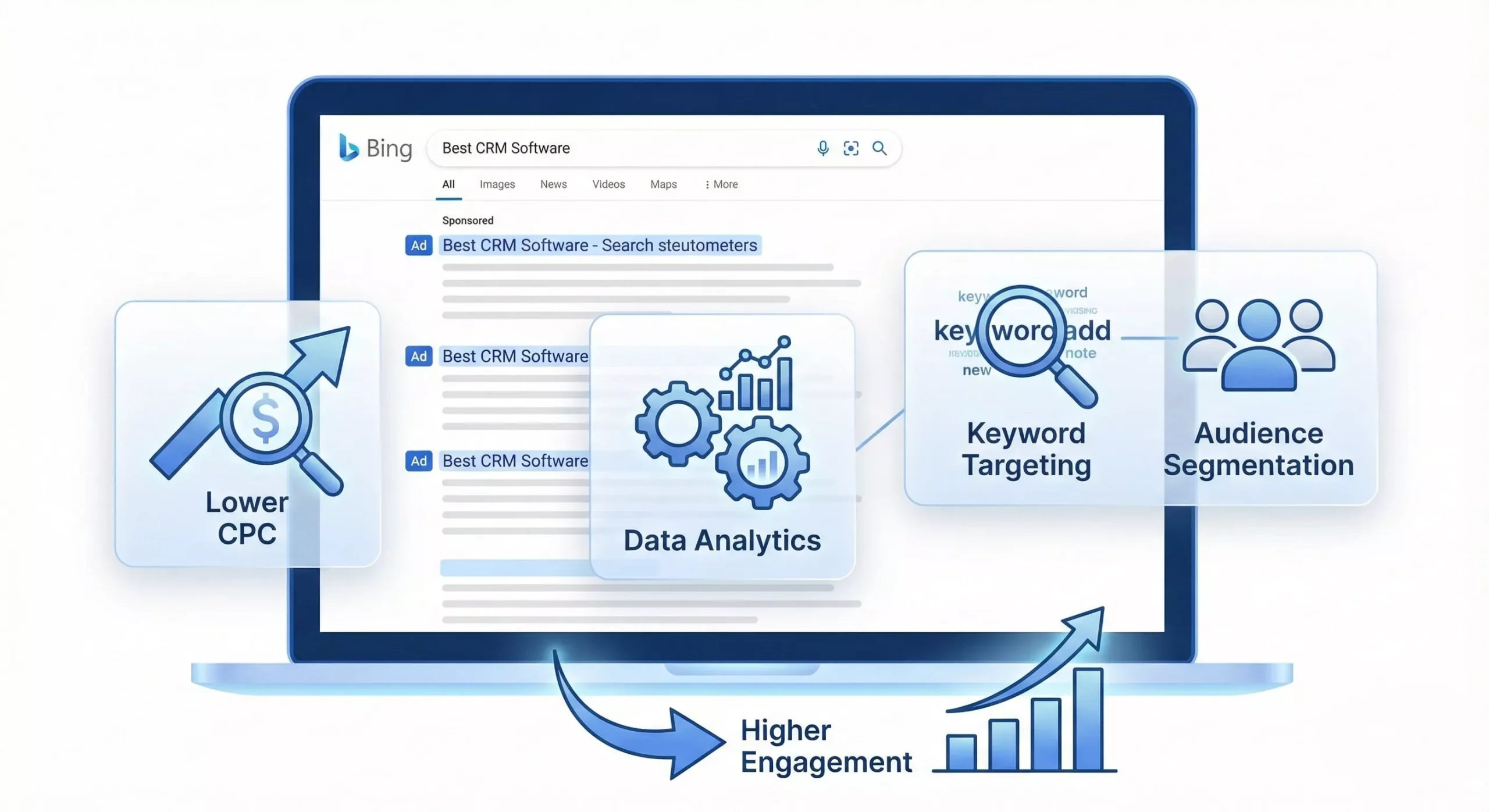
Microsoft Advertising allows businesses to display ads on Bing, Yahoo, and AOL search results. While the total search volume may be smaller compared to Google, engagement is often higher in certain demographics, such as older users and professionals.
The platform functions similarly to Google Ads, offering keyword targeting, audience segmentation, ad extensions, and performance tracking. However, the reduced competition can result in lower CPCs and improved cost-efficiency.
Who It’s Best For
Microsoft Advertising is particularly effective for:
- B2B businesses: Professional users searching for industry-specific solutions tend to use Bing more often.
- Financial services: Older and more affluent demographics are well-represented among Bing users.
- eCommerce brands targeting mature buyers: Users with higher purchasing power can lead to better conversion rates.
Why It’s a Strong Option
- Lower CPCs: Less competition makes advertising more affordable.
- Higher engagement: Users are often more intent-driven and ready to act.
- Targeted demographics: Microsoft Ads can reach audiences that may be underrepresented on Google Ads, offering a strategic advantage in niche markets.
For businesses operating in a challenging SEM economy, Microsoft Advertising is a cost-effective and reliable way to maintain visibility, attract high-quality leads, and diversify paid search efforts.
DuckDuckGo Ads: Privacy Matters More Than Ever
Privacy-Focused Targeting
DuckDuckGo has carved out a niche in the search engine market by prioritizing user privacy. Unlike Google Ads, which relies heavily on personal data, browsing history, and behavioral tracking to serve ads, DuckDuckGo focuses purely on keyword-based targeting. Ads are displayed based on the search query itself, not who the user is, giving marketers a way to reach audiences without compromising privacy.
This makes DuckDuckGo an ideal choice for brands that want to align with ethical advertising practices while still reaching highly relevant audiences. In an era where privacy regulations like GDPR and CCPA are becoming stricter, this approach ensures compliance without limiting reach.
How It Fits the SEM Economy
For businesses seeking cost-effective and transparent advertising, DuckDuckGo provides a unique opportunity. Because the platform is smaller than Google, there is less competition for ad space, which often translates into lower cost-per-click (CPC) rates. Marketers can reach an audience that is both privacy-conscious and engaged, which is increasingly important in today’s digital landscape.
Added Bonus
Another advantage of DuckDuckGo Ads is their integration with Microsoft Advertising. This means if you’re already running campaigns on Microsoft Ads, setting up DuckDuckGo campaigns is straightforward. The familiarity of the dashboard, bidding system, and reporting tools makes it easy for advertisers to expand their SEM efforts without a steep learning curve.
Brave Search Ads: A Rising Platform to Watch
What Makes It Unique
Brave is a privacy-first web browser with its own independent search engine. Brave Search Ads target users based on search intent rather than personal profiling, similar to DuckDuckGo. The platform emphasizes user privacy while providing marketers a clean, ad-friendly environment.
Unlike traditional search engines, Brave limits invasive tracking, which appeals to a modern, privacy-aware audience. For brands, this provides a unique opportunity to advertise in a low-competition, high-trust environment.
Ideal Use Cases
Brave Ads are particularly effective for:
- Startups launching new products or services
- Tech companies with privacy-focused solutions
- Brands seeking early adoption from digitally savvy users
The ability to reach high-intent audiences without tracking overhead makes Brave a valuable tool for businesses looking to stand out without overspending.
The SEM Edge
With Brave, advertisers face lower competition, making campaigns more cost-efficient. Early adopters can leverage the platform’s growth to gain visibility among a forward-thinking audience before it becomes saturated.
Amazon Ads: Best Choice for Product-Focused Brands
Where the Buyers Already Are
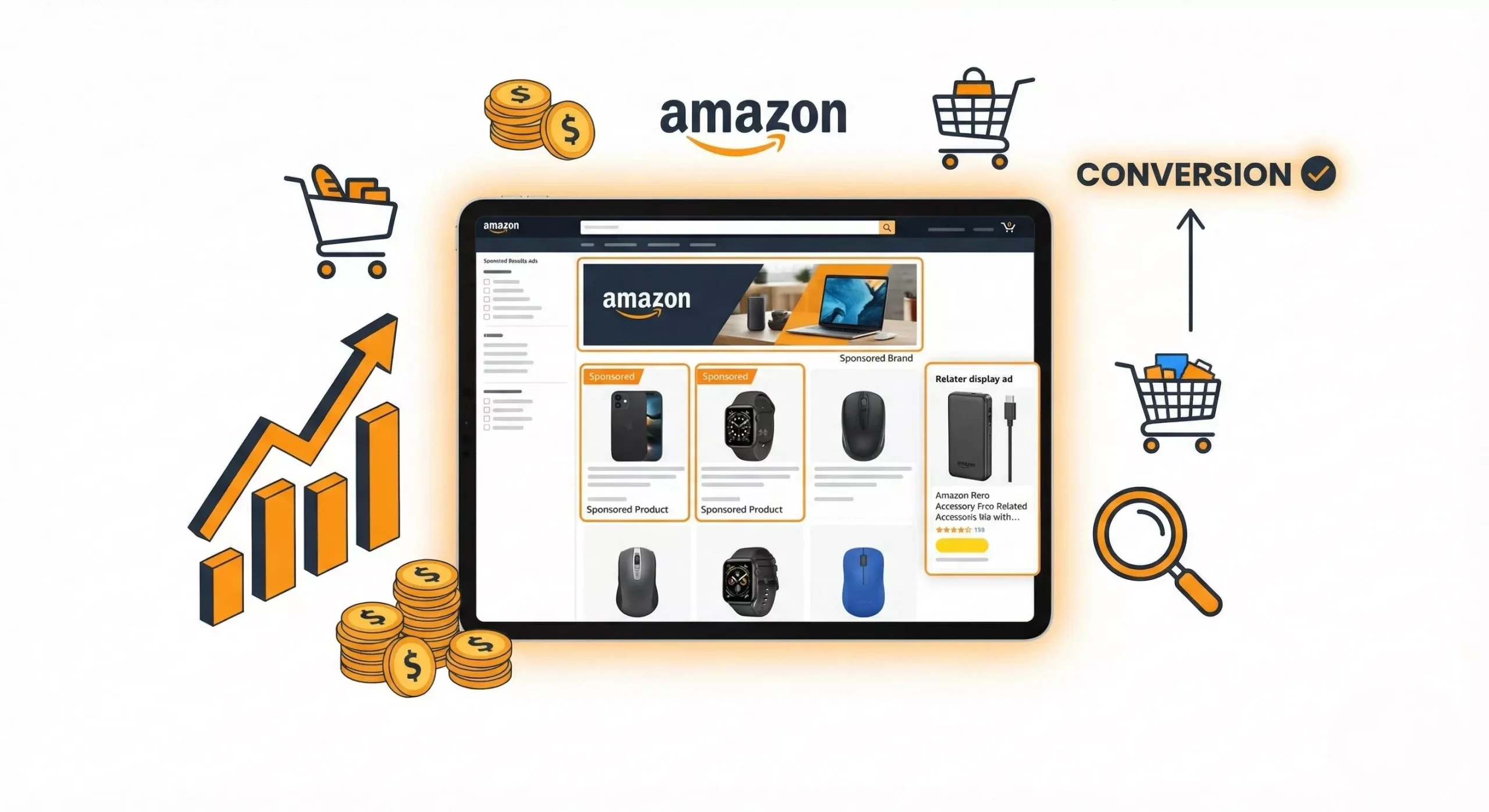
Amazon Ads offers a huge advantage for businesses that sell physical goods. Unlike traditional search engines, where users may be in the research phase, Amazon users are actively looking to buy. This makes the platform ideal for driving high-intent conversions.
What You Can Promote
Amazon Ads provides multiple formats for advertisers:
- Sponsored Products: Promote individual listings directly in search results
- Sponsored Brands: Showcase your brand and multiple products
- Display Ads: Retarget audiences across Amazon’s network, including product detail pages and Amazon-owned properties
A Budget-Friendly Option
Amazon Ads often delivers better ROAS (return on ad spend) than Google Ads for physical products. The combination of high purchase intent, lower wasted clicks, and precise product targeting allows marketers to maximize ROI while keeping costs manageable.
Reddit Ads: Community-Based and Cost-Efficient
Why Reddit Works
Reddit is a network of thousands of niche communities called subreddits. This structure allows advertisers to target highly specific audiences with shared interests, hobbies, or professions. Unlike broad search ads, Reddit enables contextual targeting that speaks directly to community needs and passions.
Campaign Types That Succeed
Reddit Ads work best for campaigns that align with community interests, such as:
- Tech product launches: Reach early adopters in tech-focused subreddits
- Educational services: Engage learners and professionals in relevant communities
- Subscription tools or SaaS products: Target users already discussing similar solutions
How It Helps in a Tough Economy
CPCs on Reddit are generally lower than Google Ads, making it a cost-effective option for testing campaigns. High engagement rates mean users are more likely to interact with content that resonates with their community. For businesses looking to stretch a marketing budget, Reddit offers a high-value, low-cost SEM alternative.
Quora Ads: Search Intent Without the Bidding War
Context-Driven Advertising
Quora is a platform built entirely around questions and answers. Users ask direct, detailed questions about products, services, or problems they want to solve. Quora Ads allow marketers to display their content alongside these answers, reaching users exactly when they are seeking solutions. This creates a powerful opportunity to engage with potential customers at the point of intent—a stage far more valuable than generic browsing traffic.
For example, a SaaS company can target users asking, “What’s the best project management software for remote teams?” Their ads appear in the answer feed, connecting them with users who are actively evaluating options.
Why It’s Worth Trying
Quora Ads deliver high-quality traffic because the audience is engaged and motivated. Industries that benefit the most include:
- SaaS: Capture users evaluating software solutions before purchase
- Finance: Reach people researching investment, loans, or credit solutions
- Education: Connect with learners exploring courses, certifications, or degrees
This context-driven approach ensures your ads aren’t wasted on passive users. Instead, your message appears in the right context, improving both engagement and conversions.
Results on a Lean Budget
Quora Ads are particularly effective for businesses looking to maximize ROI with limited budgets. Because you’re targeting high-intent questions, your cost per click (CPC) is often lower than Google Ads for comparable keywords. Users are actively researching, which means they are more likely to take action, whether signing up for a newsletter, requesting a demo, or making a purchase.
YouTube Alternatives: Video Reach Without Google
Where Else to Promote Video
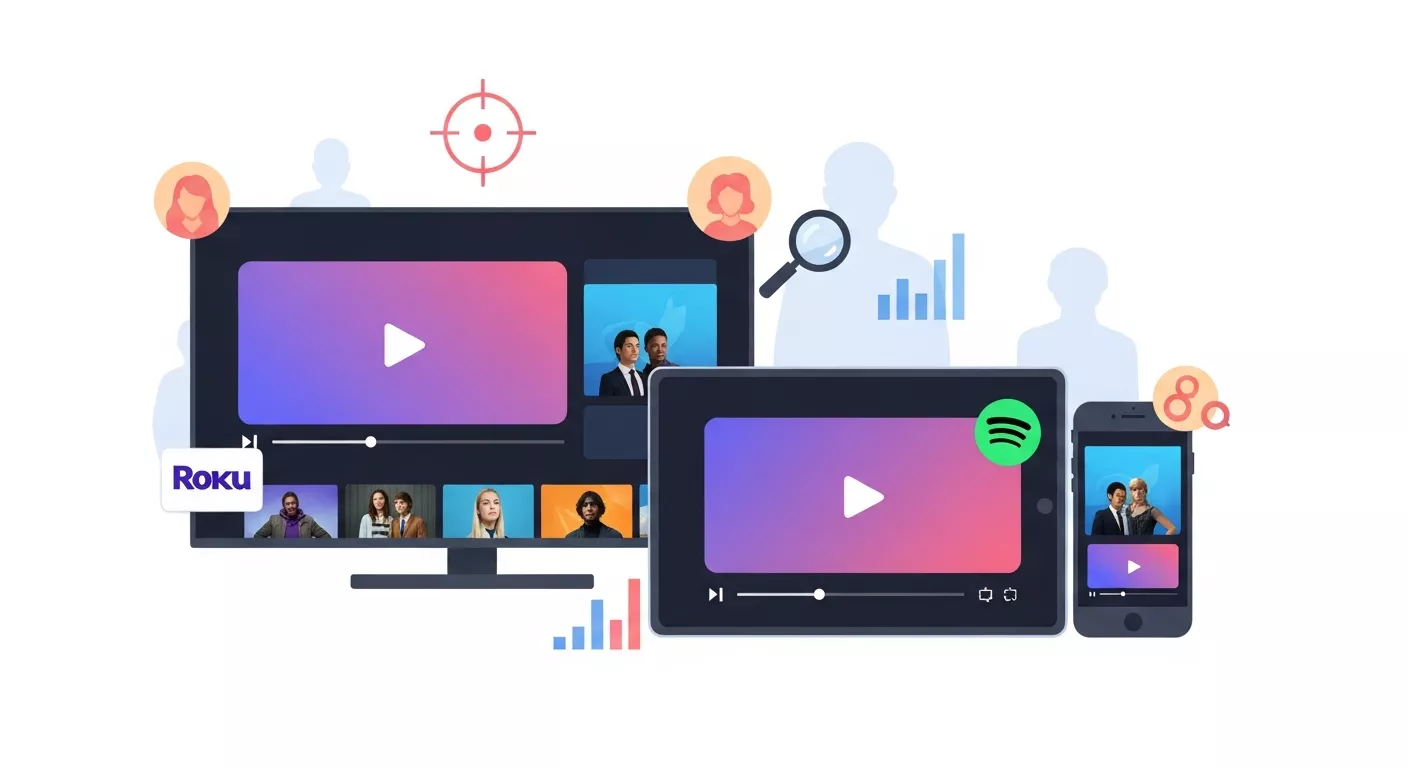
Video marketing doesn’t have to rely solely on YouTube. Platforms like Roku, Connected TV (CTV), and Spotify now provide advanced targeting tools that allow marketers to reach viewers based on search intent, interests, and behaviors. These platforms combine the benefits of video content with precise targeting, making them a powerful SEM alternative.
For instance, a fitness brand could run short video ads on Roku targeting users who stream workout shows, while an audio ad on Spotify reaches users listening to health podcasts.
Why It’s Useful
Using these platforms, marketers can:
- Reach audiences in a less crowded space, avoiding the high competition on YouTube
- Target intent-based or interest-based audiences, ensuring relevance
- Access cross-device viewers, including smart TVs, tablets, and smartphones
This approach allows brands to expand video reach without paying the premium costs often associated with Google’s video network.
When to Mix, Not Replace
Don’t Abandon Google Too Fast
While exploring alternatives is smart, Google Ads still delivers high-value traffic for many businesses. The best strategy is not to replace Google entirely but to supplement it with alternative platforms to reduce risk and maximize results.
How to Combine Platforms
A multi-platform SEM strategy could look like this:
- Use Google Ads to target high-intent searches with proven conversion potential
- Use Quora and Reddit to test niche audiences, specific questions, or community engagement
- Use DuckDuckGo or Brave to reach privacy-conscious users at a lower CPC
- Use Amazon Ads for product-focused campaigns with high purchase intent
- Experiment with CTV and Spotify ads to extend reach with video/audio content
The right mix depends on your budget, product type, and campaign goals, but combining platforms spreads risk, provides audience diversity, and uncovers growth opportunities.
Key Takeaways: Stretching Your SEM Budget Wisely
Be Smart with Placement
Where your ad appears can be just as important as what your ad says. Smaller, emerging platforms often provide better ROI because competition is lower and users are more engaged.
Focus on Intent and Context
Platforms like Quora and Reddit allow you to engage users during the consideration stage, not just in broad awareness campaigns. Targeted, context-aware advertising increases relevance and boosts conversions.
Privacy and Trust Are Growing Priorities
Consumers are increasingly aware of how their data is used. Platforms like DuckDuckGo and Brave allow advertisers to connect with audiences ethically, building trust while maintaining cost efficiency.
Final Thoughts: Smarter SEM in a Challenging Economy
Search engine marketing no longer revolves around Google alone. Businesses that explore alternatives can reduce ad spend, improve conversions, and reach highly targeted users.
The SEM economy now rewards creativity, flexibility, and audience-focused strategies, not just large budgets. By combining multiple platforms, testing campaigns, and focusing on intent-driven placements, brands can achieve measurable growth without overspending.
Whether you are a solo founder or a growing enterprise, now is the perfect time to look beyond Google Ads and diversify your SEM strategy for better results.
Before exploring alternatives to Google Ads, it’s essential to understand why search engine marketing is a critical part of any digital strategy.
Frequently Asked Questions (FAQs)
1. Why should I consider alternatives to Google Ads?
Rising costs, high competition, and ad fatigue on Google Ads make it smart to explore other platforms. Alternatives can offer lower cost-per-click (CPC), better targeting, and higher engagement in specific niches.
2. What are some reliable alternatives to Google Ads?
Key alternatives include:
- Microsoft Advertising (Bing, Yahoo, AOL)
- DuckDuckGo Ads
- Brave Search Ads
- Amazon Ads
- Reddit Ads
- Quora Ads
- Video/streaming platforms like Roku and Spotify
3. Which platform is best for B2B businesses?
Microsoft Advertising and Quora Ads often work well for B2B, thanks to their search intent targeting and less competitive environment.
4. Are privacy-focused platforms effective for SEM?
Yes. Platforms like DuckDuckGo and Brave prioritize privacy, reaching users ethically without tracking personal data. They are ideal for brands emphasizing transparency and privacy-conscious audiences.
5. How do Amazon Ads differ from Google Ads?
Amazon Ads target users who are already in a buying mindset, making them ideal for product-focused campaigns. Google Ads often capture users earlier in the research or consideration phase.
6. Can I run SEM campaigns on Reddit or Quora with a small budget?
Absolutely. Both Reddit and Quora offer lower CPCs and allow niche targeting, making them cost-efficient for smaller advertisers.
7. Should I abandon Google Ads completely?
No. Google Ads still captures high-intent users effectively. A better approach is a multi-platform strategy that balances reach, cost, and audience targeting.
8. How can I combine multiple platforms effectively?
Use Google Ads for core, high-intent campaigns, and supplement with alternatives to test new audiences, reduce CPC, and experiment with creative formats.
9. Are video alternatives to YouTube worth investing in?
Yes. Platforms like Roku and Spotify allow intent-based and interest-based targeting, often at lower costs than Google’s video network, while reaching engaged streaming audiences.
10. How do I know which platform will work best for my business?
Start by analyzing your audience, budget, and campaign goals. Test multiple platforms, track performance metrics, and adjust your spend to maximize ROI across channels.



Leave a Reply