


Using Search Engine Marketing (SEM) as a business looking to increase your visibility online to bring targeted viewers to your pages is a great way to promote your business. Using SEM, businesses can break through the noise of the internet and capture potential customers not only where but when it matters most: the precise moment they’re searching for a product or service like yours.
But which are the tools at the center of winning SEM? Well, there are a number of products which can get you paid, and organic growth is these three: Google Ads (PPC), Bing Ads (PPC), and Search Engine Optimization (SEO). Used strategically, these tools can turn your reach on its head.
This post will dissect these powerful tools, the contrast between them, and how you can use them effectively in your marketing strategy.
Google Ads (PPC): The King of Pay-Per-Click Advertising
Google Ads is widely regarded as the most powerful platform in search engine marketing. As the advertising arm of the world’s largest search engine, Google processes over 8.5 billion searches per day, giving businesses unparalleled access to users actively looking for products or services. This massive reach makes Google Ads a cornerstone of any successful SEM strategy.
For businesses aiming to capture high-intent traffic and generate immediate results, Pay-Per-Click (PPC) advertising through Google Ads offers unmatched speed, flexibility, and scalability.
How Google Ads Works
Google Ads operates on a PPC model, meaning advertisers pay only when a user clicks on their ad. Businesses bid on keywords relevant to their offerings, and Google uses an auction system to determine which ads appear on search engine results pages (SERPs).
Ad placement is not based solely on budget. Google also evaluates Quality Score, which factors in keyword relevance, ad copy quality, and landing page experience. This ensures users see helpful ads while advertisers with well-optimized campaigns can achieve higher rankings at lower costs.
Key Features of Google Ads
Keyword Targeting
Keyword targeting allows businesses to reach users at the exact moment they express intent. Advertisers can target broad, phrase, or exact-match keywords to control how closely searches align with their ads.
For example, a bakery bidding on “birthday cakes near me” ensures their ad appears when someone is actively searching for that specific product, increasing the likelihood of conversion.
Ad Formats
Google Ads supports a wide range of ad formats designed to meet different marketing goals:
- Search ads: Text-based ads that appear at the top of SERPs.
- Display ads: Visual banner ads shown across Google’s Display Network.
- Shopping ads: Product-focused ads with images, pricing, and reviews.
- Video ads: Engaging ads displayed on YouTube and partner sites.
Each format serves a unique purpose, from building brand awareness to driving direct sales.
Performance Tracking and Optimization
One of Google Ads’ greatest strengths is its robust analytics and tracking capabilities. Advertisers can monitor key performance metrics such as:
- CPC (Cost Per Click) to control ad spend.
- CTR (Click-Through Rate) to measure ad relevance.
- Conversion tracking to evaluate ROI and customer actions.
These insights allow marketers to continuously optimize campaigns by refining keywords, improving ad copy, and adjusting bids for better performance.
Why Google Ads Is Essential
Google Ads provides a fast and reliable way to drive traffic, leads, and sales. Unlike SEO, which requires time to gain momentum, Google Ads delivers instant visibility for competitive keywords.
When managed strategically—through smart keyword selection, compelling ad messaging, and optimized landing pages—Google Ads can generate a strong return on investment and scale alongside your business growth.
As part of a comprehensive SEM strategy, Google Ads works best when combined with SEO and complementary platforms like Bing Ads, ensuring maximum reach and consistent results across search engines.
Bing Ads (PPC): The Overlooked SEM Gem
While Google Ads often steals the spotlight, Bing Ads (now Microsoft Advertising) is a hidden powerhouse that businesses should not ignore. Bing accounts for roughly 6% of global desktop search traffic, attracting 1 billion unique global users every month. That’s a lot of untapped potential.
What Makes Bing Ads Special?
At first glance, Bing Ads looks a lot like Google Ads. Both work on the PPC model and allow advertisers to bid on keywords to target users. However, Bing Ads offers advantages that are unique to this platform.
Unique Features of Bing Ads
- Lower Competition, Lower CPC: Since Bing Ads has fewer advertisers than Google Ads, businesses often face less competition for keywords, making bids less expensive. Lower competition means less spend for better placement.
- Demographic Targeting: Bing allows for hyper-detailed demographic targeting, including factors like age, device type, location, and even LinkedIn profiles. This feature is invaluable for reaching niche professional audiences.
- Cross-Platform Reach: Run ads not just on Bing, but also on Yahoo and AOL search engines, expanding visibility.
Why Bing Ads Deserves a Spot in Your Strategy
Companies targeting desktop-heavy demographics, such as older, high-income professionals, often see high returns with Bing Ads. Its cost-effectiveness, combined with access to a less saturated market, makes it a smart addition to any SEM plan.
Search Engine Optimization (SEO): Unlocking Organic Traffic
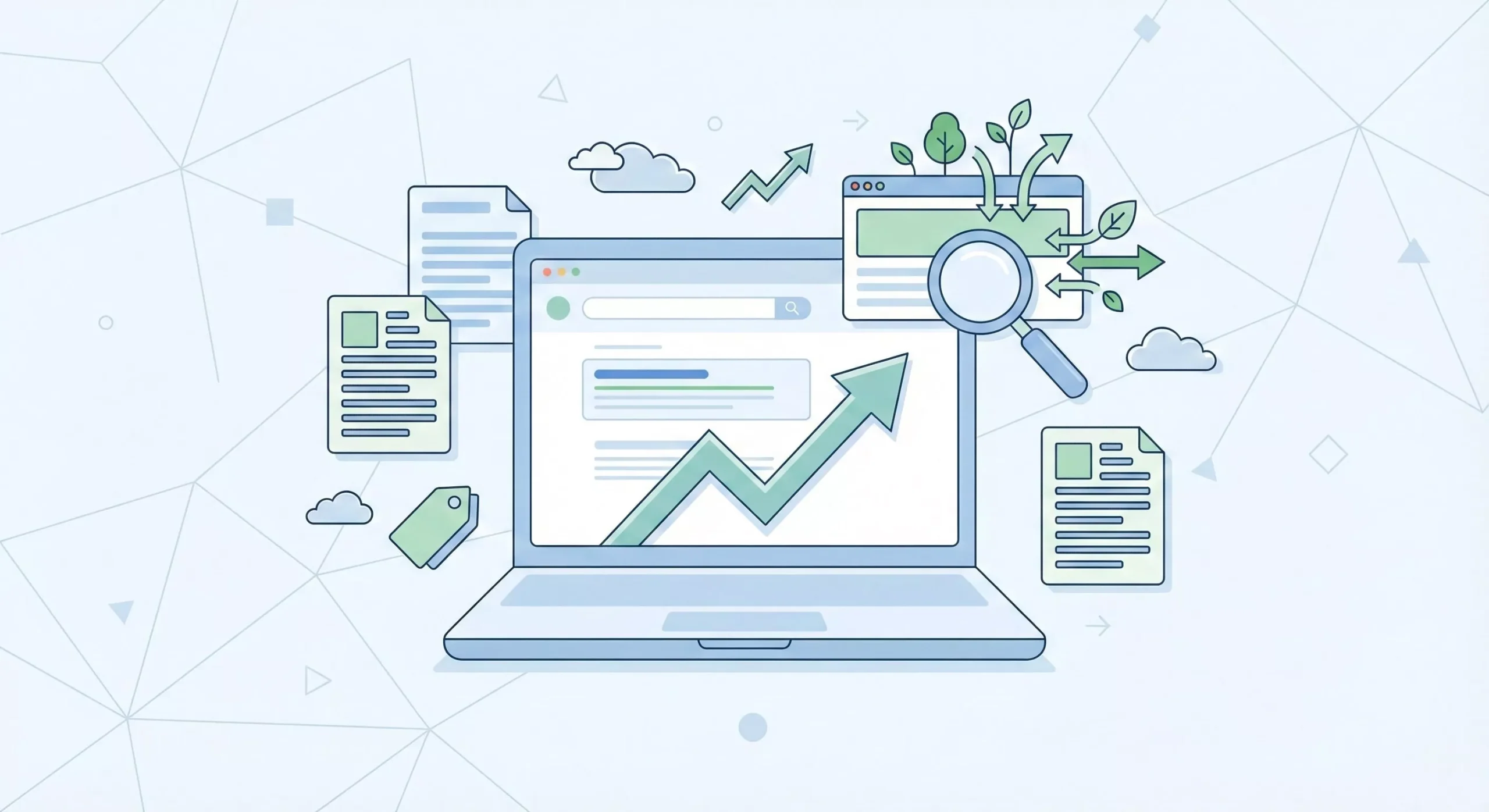
Unlike paid platforms such as Google Ads and Bing Ads, Search Engine Optimization (SEO) focuses on earning traffic organically by improving your website’s visibility in search engine results pages (SERPs). Rather than paying for every click, SEO builds long-term value by aligning your website with search engine algorithms and user intent.
At its core, SEO is about creating helpful, authoritative, and relevant content that answers users’ questions better than competing pages. When done correctly, SEO not only increases traffic but also builds trust, brand credibility, and sustained online growth.
The Three Pillars of SEO
Successful SEO requires consistent effort across three foundational areas. Each pillar plays a unique role in improving your rankings and driving organic traffic.
1. On-Page Optimization
On-page SEO focuses on optimizing individual web pages so search engines can better understand and rank your content. It ensures that both users and search engines can easily navigate and interpret your pages.
Key on-page optimization techniques include:
- Crafting compelling title tags and meta descriptions that encourage users to click through from search results.
- Using structured headings (H1, H2, H3 tags) to organize content and highlight important topics.
- Optimizing keyword placement naturally within content, URLs, and image alt text.
- Improving page load speed and mobile responsiveness which are key ranking factors.
- Internal linking to guide users to related content and distribute ranking authority across your site.
Strong on-page SEO improves user experience while signaling relevance to search engines.
2. Off-Page Optimization
Off-page SEO focuses on increasing your website’s authority and trustworthiness through external signals, primarily backlinks. Search engines view links from reputable websites as endorsements of your content.
Effective off-page SEO strategies include:
- Earning backlinks from high-authority websites within your industry.
- Guest blogging to share expertise and gain referral traffic.
- Digital PR and outreach campaigns to promote content and attract organic mentions.
- Brand mentions and citations, even when they are not linked.
Links from credible sources act as votes of confidence, helping search engines determine which pages deserve higher rankings. Tools like Ahrefs can help analyze backlinks and uncover link-building opportunities.
3. Content Marketing
Content marketing is the backbone of any successful SEO strategy. Without high-quality content, even the best technical optimizations will fall short.
Effective SEO-driven content focuses on:
- Addressing search intent by answering users’ questions thoroughly.
- Publishing long-form, in-depth content such as blog posts, guides, case studies, and tutorials.
- Updating existing content to keep it relevant and competitive.
- Using multimedia elements like images, videos, and infographics to enhance engagement.
Search engines reward content that provides real value, keeps users on the page longer, and demonstrates expertise and authority.
Why SEO Is a Long-Term Asset
SEO is not an overnight solution, but it delivers compounding returns over time. Unlike paid advertising, organic traffic does not stop the moment you pause spending. Once your pages rank well, they can continue to attract qualified visitors for months or even years.
By investing in SEO, businesses create a sustainable traffic source that reduces reliance on paid ads, improves brand visibility, and builds long-term credibility with both users and search engines.
When combined with PPC tools like Google Ads and Bing Ads, SEO forms a powerful foundation for a well-rounded search engine marketing strategy.
Choosing the Right SEM Tool for Your Business Goals
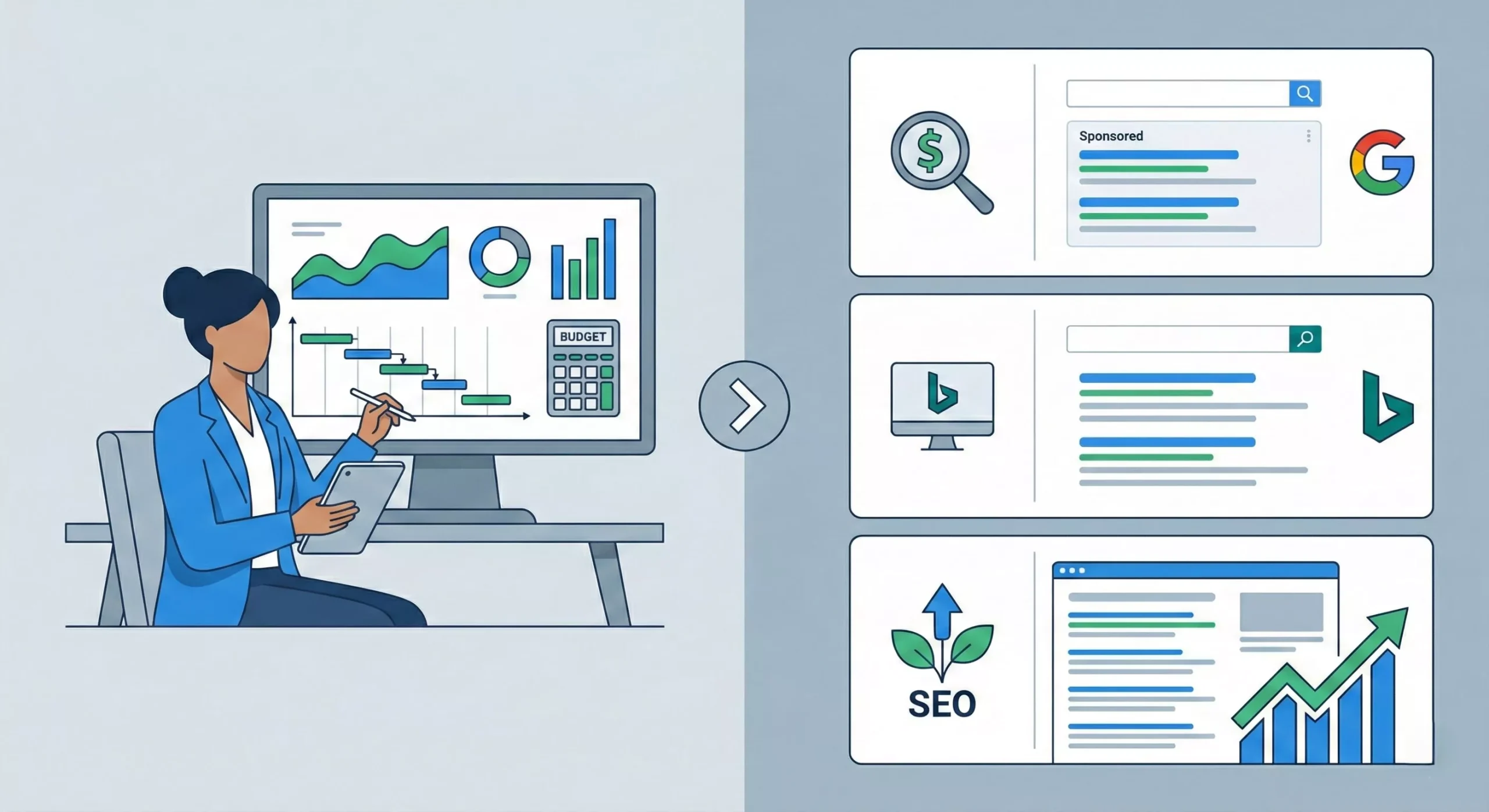
Not every business needs to invest equally in Google Ads, Bing Ads, and SEO at the same time. The most effective SEM strategy depends on your goals, budget, and timeline. Understanding when to use each tool—and how they complement one another—helps you maximize results while avoiding unnecessary spend.
When to Use Each SEM Tool
- Google Ads (PPC)
Best for businesses that need quick visibility, fast leads, or immediate sales. Ideal for product launches, seasonal promotions, and high-intent keywords. - Bing Ads (PPC)
A smart choice for brands targeting professionals, desktop users, or niche audiences at a lower cost. Works especially well for B2B companies and service-based industries. - SEO (Organic Search)
Perfect for long-term growth and brand authority. SEO is best for businesses focused on sustainability, consistent traffic, and reducing dependency on paid ads over time.
SEM Tool Comparison Table
| SEM Tool | Traffic Type | Cost Structure | Time to See Results | Best For |
|---|---|---|---|---|
| Google Ads | Paid | Pay per click (PPC) | Immediate | Fast leads, high-intent searches |
| Bing Ads | Paid | Lower-cost PPC | Immediate | Cost-efficient campaigns, B2B targeting |
| SEO | Organic | Time & effort-based | Medium to long-term | Sustainable traffic, brand authority |
The Role of SEM Products in a Powerful Marketing Strategy
The success of your campaign often depends on how well you combine these three SEM tools. Search Engine Marketing works best when paid advertising and organic optimization support each other, creating a unified approach to visibility, traffic, and conversions. When executed correctly, Search Engine Marketing helps businesses appear at the right time, in the right place, and in front of the right audience. Here’s how they work together to form a complete strategy:
- Google Ads is ideal for gaining immediate traffic and conversions, especially when launching new offers or targeting high-intent users.
- Bing Ads adds cost-effective access to untapped markets, particularly among professionals and desktop users.
- SEO delivers long-term, high-value organic traffic by building trust with both users and search engines.
By bringing together PPC and SEO into one cohesive SEM strategy, businesses of all sizes can dominate search engine results.
Start deploying these tools today, and give your business the visibility it truly deserves. With the right approach, search engine marketing can transform your online presence!
Frequently Asked Questions (FAQ)
1. What is Search Engine Marketing (SEM)?
Search Engine Marketing (SEM) is a digital marketing strategy used to increase a website’s visibility on search engine results pages through paid advertising (like Google Ads and Bing Ads) and organic optimization (SEO). It helps businesses reach users who are actively searching for their products or services.
2. What is the difference between SEM and SEO?
SEO focuses on improving organic search rankings through content, technical optimization, and backlinks. SEM is broader and includes both SEO and paid search advertising (PPC). While SEO is a long-term strategy, SEM allows for immediate visibility through paid ads.
3. Is Google Ads better than Bing Ads?
Google Ads offers a larger audience and higher search volume, making it ideal for broad reach and high-intent traffic. Bing Ads, however, often has lower competition and cost-per-click, making it a cost-effective option for targeting specific demographics. The best results often come from using both together.
4. How much does Google Ads cost?
Google Ads does not have a fixed cost. Advertisers set their own budgets and pay per click. Costs vary depending on keyword competition, industry, and campaign quality. With proper optimization, businesses can control spending and maximize ROI.
5. How long does SEO take to show results?
SEO typically takes 3 to 6 months to show noticeable improvements, depending on competition, content quality, and website authority. While slower than PPC, SEO provides long-term, sustainable traffic once rankings are established.
6. Can small businesses benefit from SEM?
Yes, SEM is highly effective for small businesses. PPC allows precise targeting and budget control, while SEO builds long-term visibility. Even with limited resources, small businesses can compete by focusing on high-intent keywords and local search optimization.
7. Should I use PPC and SEO together?
Absolutely. PPC delivers immediate traffic and insights into keyword performance, while SEO builds long-term authority and reduces reliance on paid ads. Using both creates a balanced and powerful SEM strategy.
8. Which SEM tool is best for beginners?
Google Ads is often the best starting point due to its reach and learning resources. However, beginners should also invest in SEO basics to build organic traffic over time and reduce long-term marketing costs.
9. What keywords should I target for SEM campaigns?
The best keywords are those with high search intent and clear relevance to your product or service. Transactional keywords such as “buy,” “pricing,” “near me,” or “best service” often perform well in PPC campaigns, while informational keywords are ideal for SEO content. Using keyword research tools helps balance search volume, competition, and cost.
10. How do I measure the success of my SEM strategy?
SEM success is measured by tracking key performance indicators (KPIs), including:
- Click-through rate (CTR)
- Cost per click (CPC)
- Conversion rate
- Return on ad spend (ROAS)
- Organic traffic growth and keyword rankings
Regular monitoring allows businesses to optimize campaigns and improve overall performance.



Leave a Reply